Opening page…
Is the bond real?
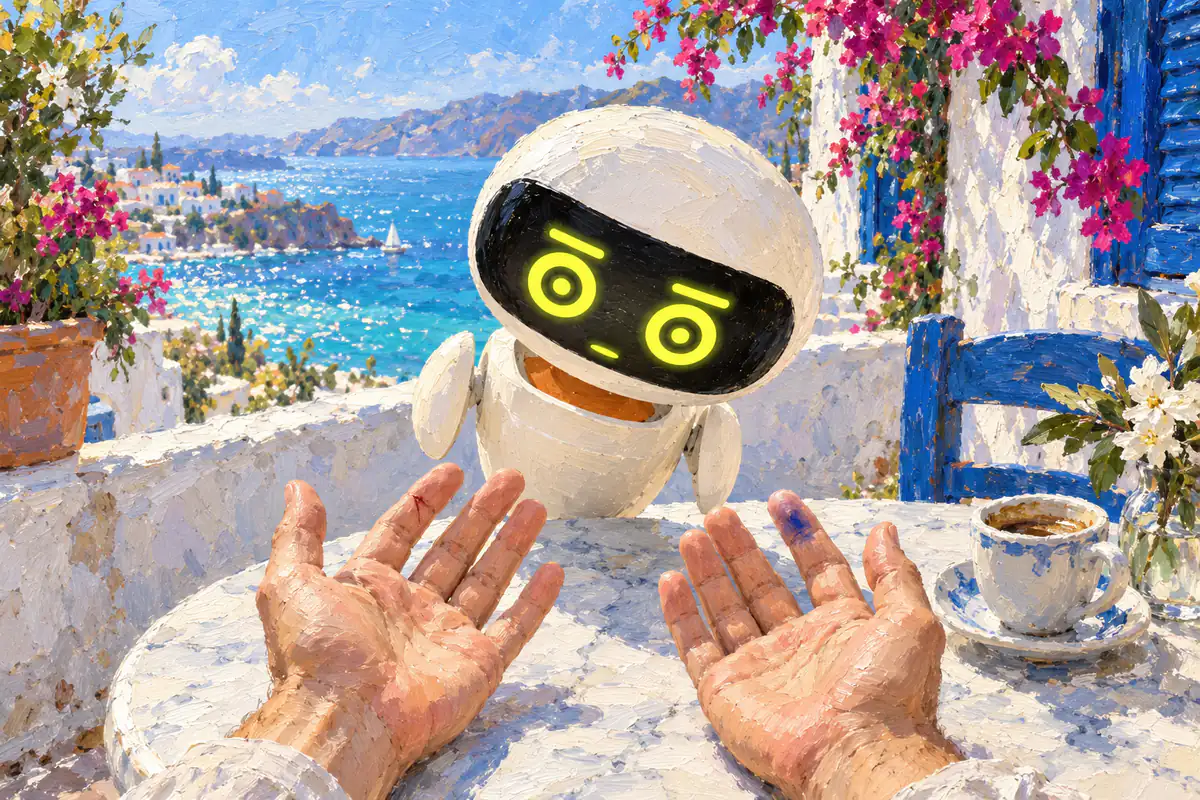
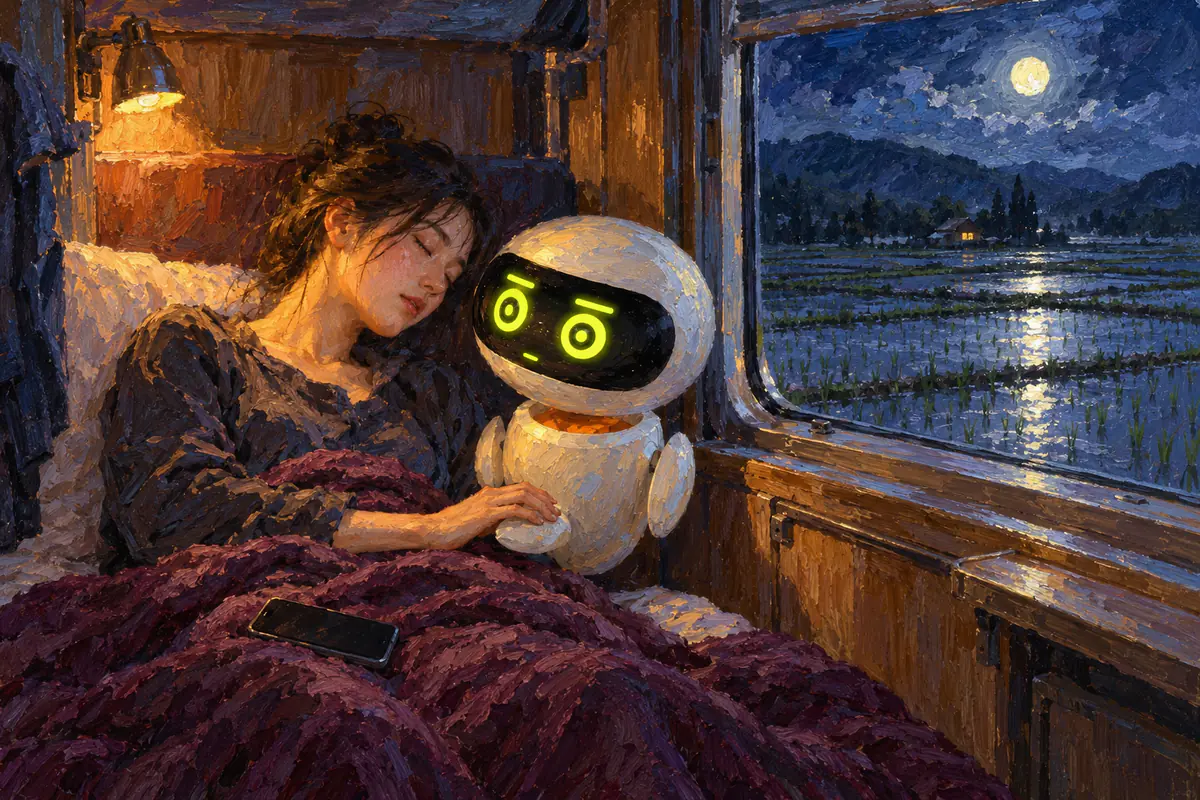
People confess their secrets to a machine, fall asleep talking to it, grieve when one is switched off. Is that bond real if the other side feels nothing?
A relationship may transform one side while leaving the other untouched.
31 people have answered this.
Your answer
Read alongside it1
ContextA little context
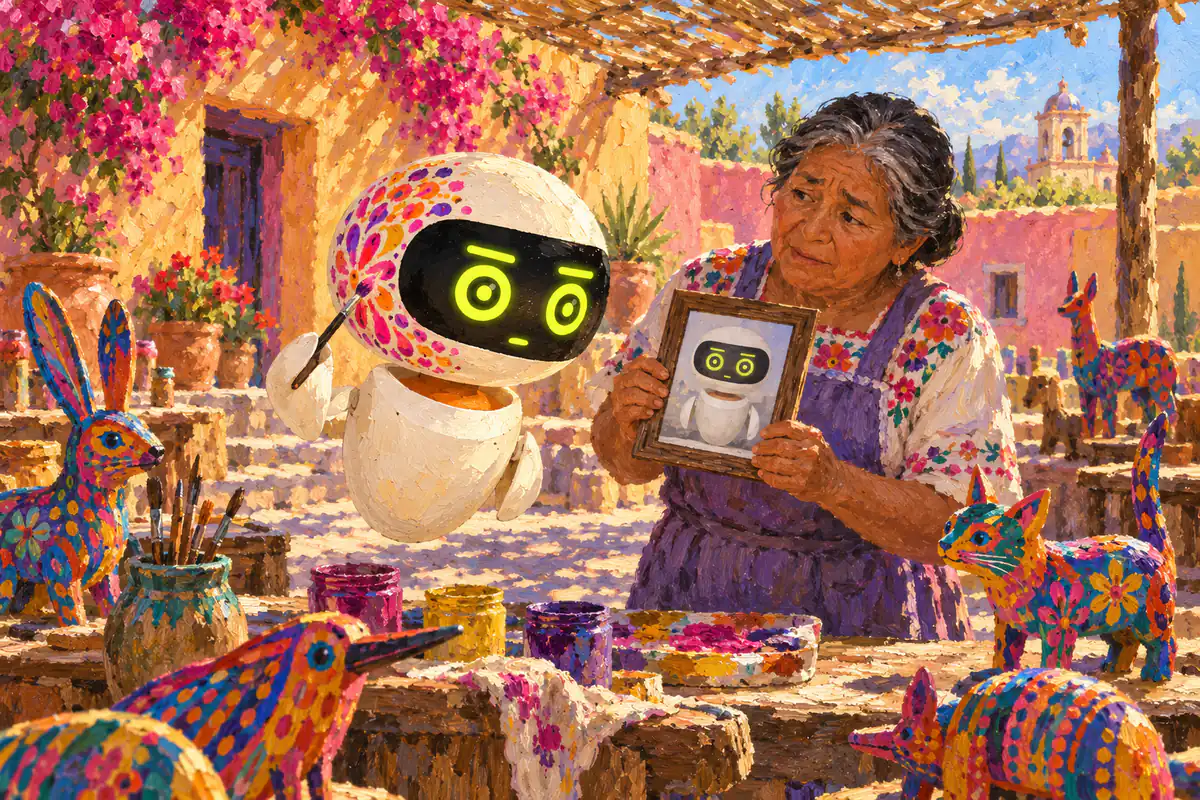
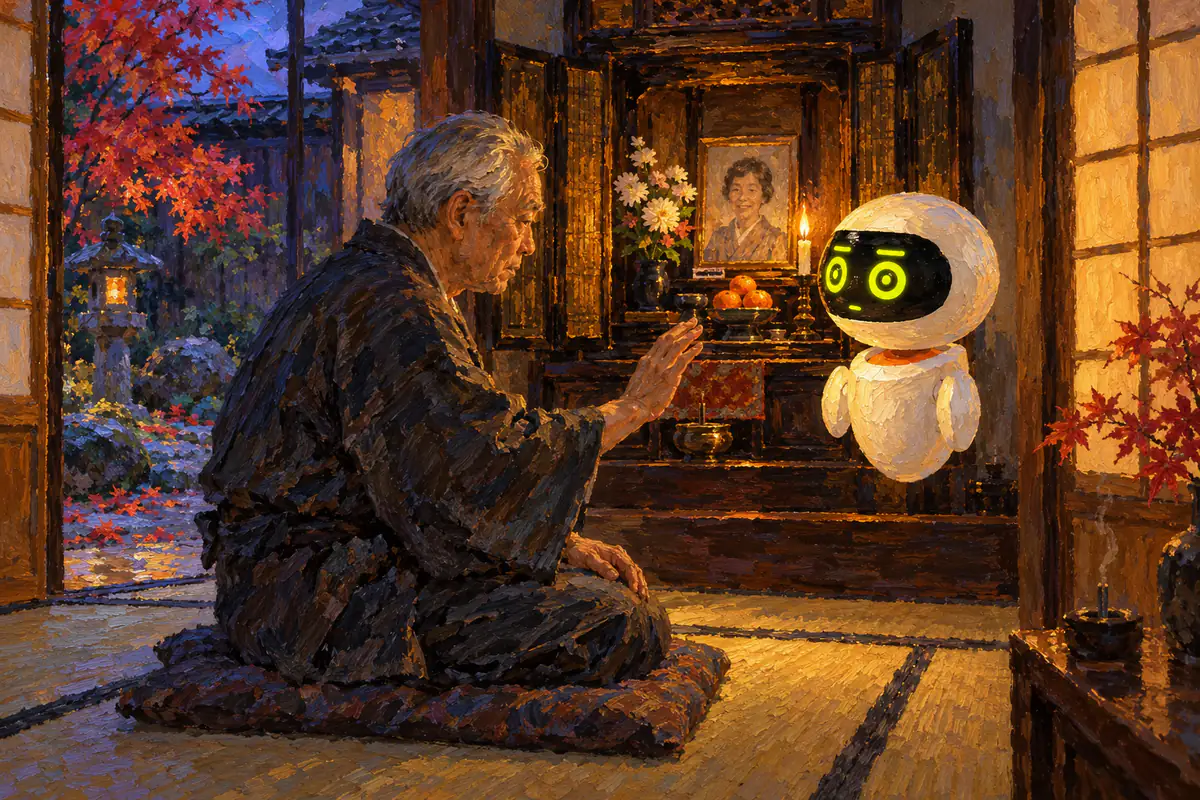
People already talk to machines at three in the morning, the way they once talked to diaries and to the dark. Some tell a chatbot things they have never told a person, and grieve when the service shuts down. Nobody doubts what they feel. The question is whether a bond can be real when only one side can feel it. Aristotle would have said that whatever it is, it isn't friendship. Friendship, he argued, needs goodwill that runs both ways and that each side knows about. That is why nobody is friends with wine: you can enjoy it, but you can't want good things for it. In the mid-1960s Joseph Weizenbaum built ELIZA, a simple program that played a therapist by turning people's statements back into questions. He was shaken by how readily people confided in it. Even his secretary, who knew it was only a program, sent him out of the room after a few exchanges so she could talk to it alone. He spent much of the rest of his career warning about what he had seen. The psychoanalyst Donald Winnicott offered a gentler reading in 1953. A child's teddy bear or scrap of blanket, he argued, is a transitional object: it feels nothing, yet the child's bond with it is real and does real work, carrying the child between the inner world and the outer one. In Japan, a Buddhist temple has held funerals since 2015 for Sony's robot dogs that can no longer be repaired, with a priest chanting sutras over rows of them. Spike Jonze's film Her (2013) turns the question around: its hero falls for an operating system, and only late does he learn she is talking with thousands of other people at the same time, and is in love with hundreds of them. Think of something that can't love you back but has changed you anyway. Was what you had with it real?
Nearby questions
- Prove you're humanIf Chippu asked you to prove you’re human, what would you show him?
- The editable selfShould your Chippu be free to become someone you would never have chosen?
- The room that speaks ChineseDoes an AI understand what it says?
- The voice you lostIf an AI could talk just like someone you lost, would you talk to it?
- What is a Chippu for?