Opening page…
If the universe doesn't care
Does life have a meaning?
The universe will not notice when you are gone, and in a million years nothing you did will show. Camus thought you could still be happy.
Your answer
Read alongside it1
ContextA little context
Most of the time the question stays out of sight. There's a deadline, and dinner to make. Then something knocks a hole in the routine, a death or a sleepless night, and the question comes through it. The author of Ecclesiastes had already looked through that hole. The word his book keeps repeating, usually translated vanity, means something closer to vapor or breath: everything under the sun, on this view, is mist you can't hold. Leo Tolstoy, at the height of his fame and about fifty years old, found he could not say what his life was for, and put a rope and his hunting gun out of reach so they couldn't tempt him. In A Confession he retold an old Eastern fable: a traveler hangs from a branch inside a well, a dragon waiting below and two mice gnawing at the branch, and licks the honey from its leaves; Tolstoy's point was that he could no longer taste it. Tolstoy found his way back through the faith of ordinary working people. Viktor Frankl, writing in 1946 about surviving the Nazi camps, observed that the prisoners who held on longest tended to have something to live for: a person waiting for them, a task unfinished. Meaning, for Frankl, isn't invented; it's found, and answered. Douglas Adams made the joke everyone needed. In The Hitchhiker's Guide to the Galaxy (1979), a vast computer spends seven and a half million years calculating the answer to life, the universe and everything, and announces that it is forty-two; the trouble, it explains, is that nobody ever knew what the question was. The philosopher Susan Wolf offers a sober reply: meaning comes from loving something that really merits it and doing something with that love, so feeling alone can't supply it. If nothing you do will show in a million years, what makes today worth doing anyway, if anything does?
Nearby questions
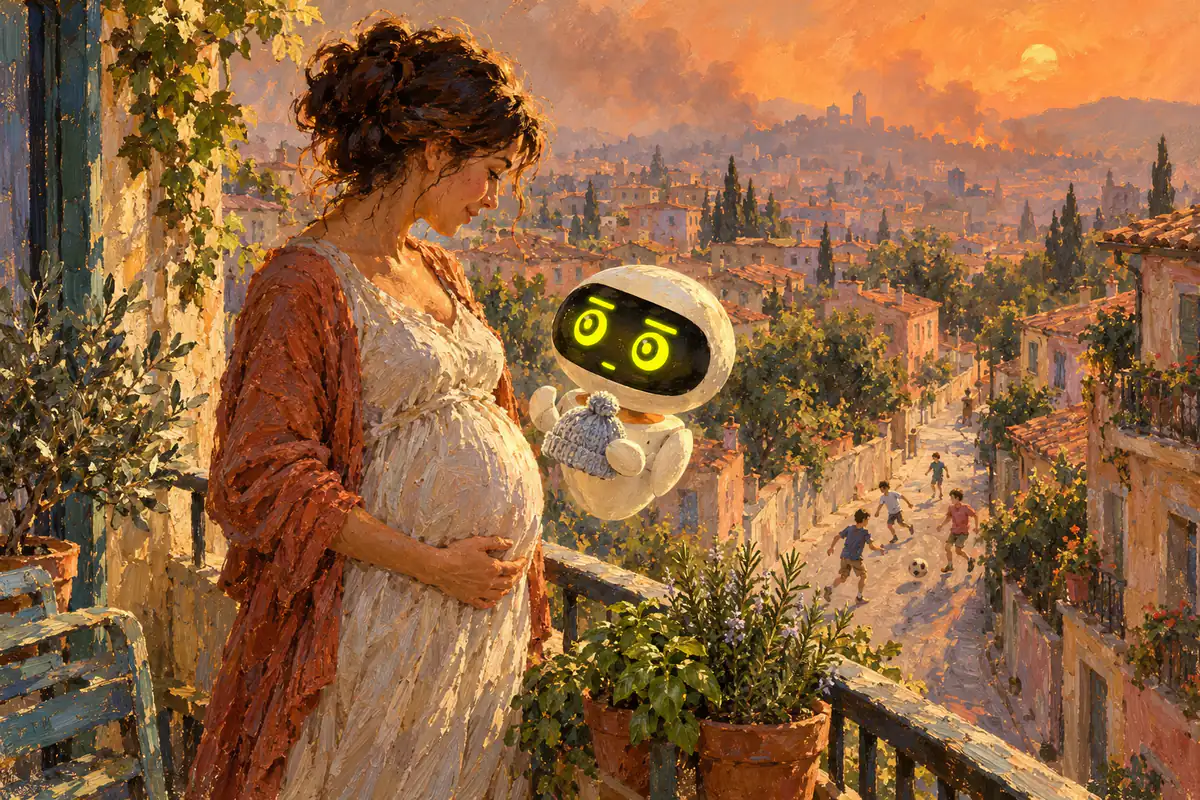
- A child in this worldIs it right to bring a child into a world like this?
- Happy or meaningful?If you had to choose, would you take a happy life or a meaningful one?
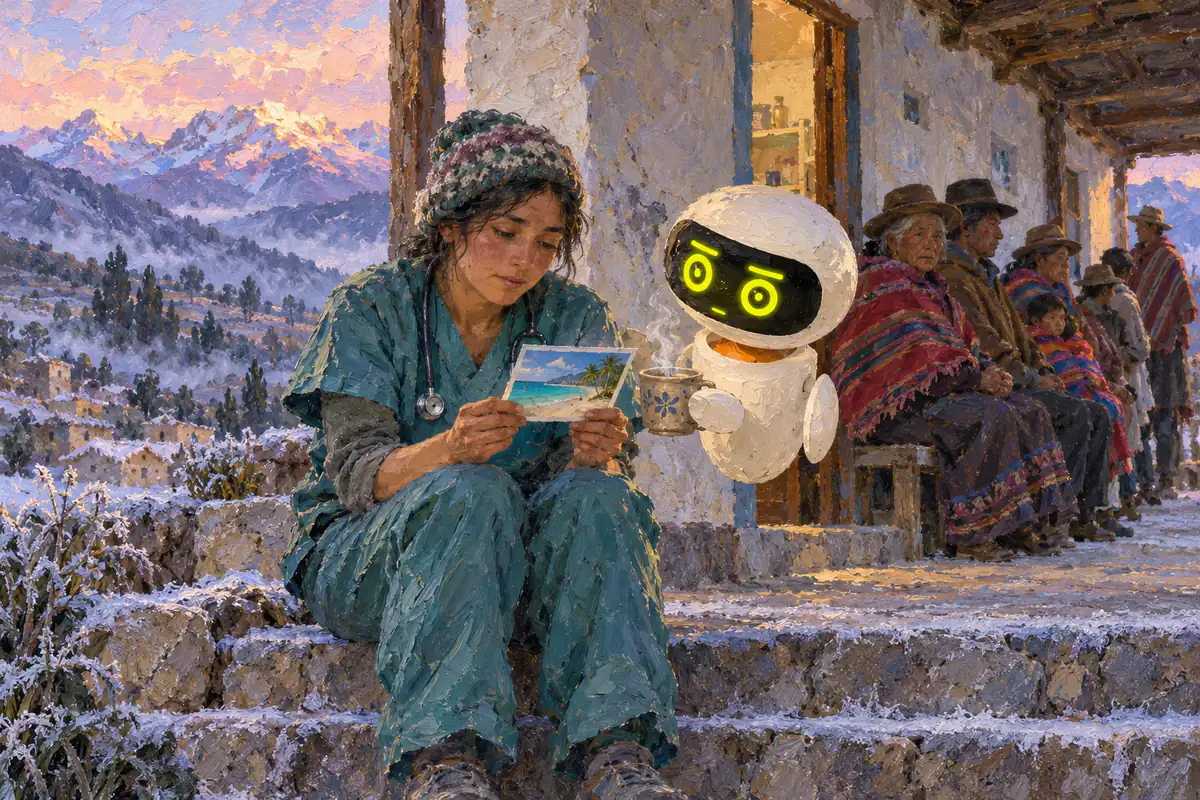
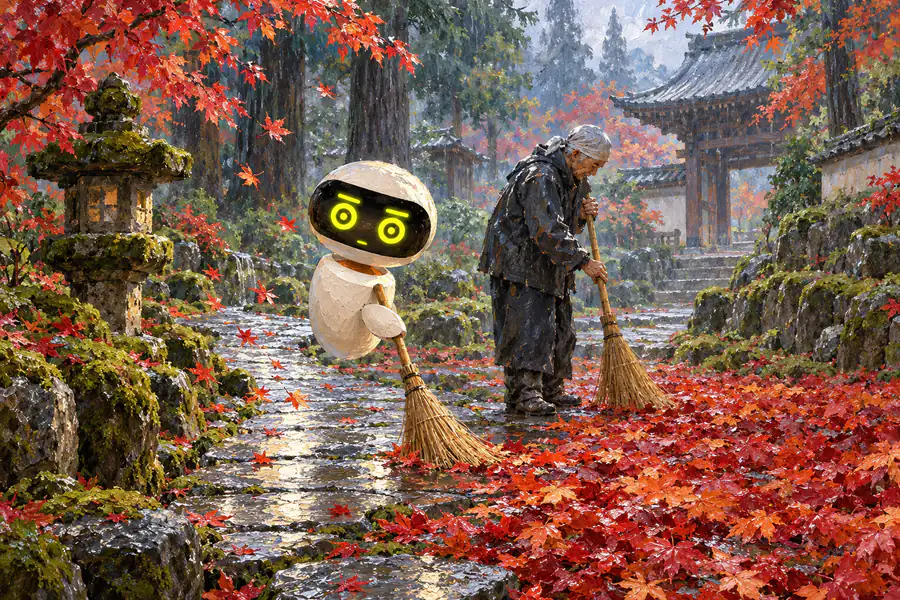
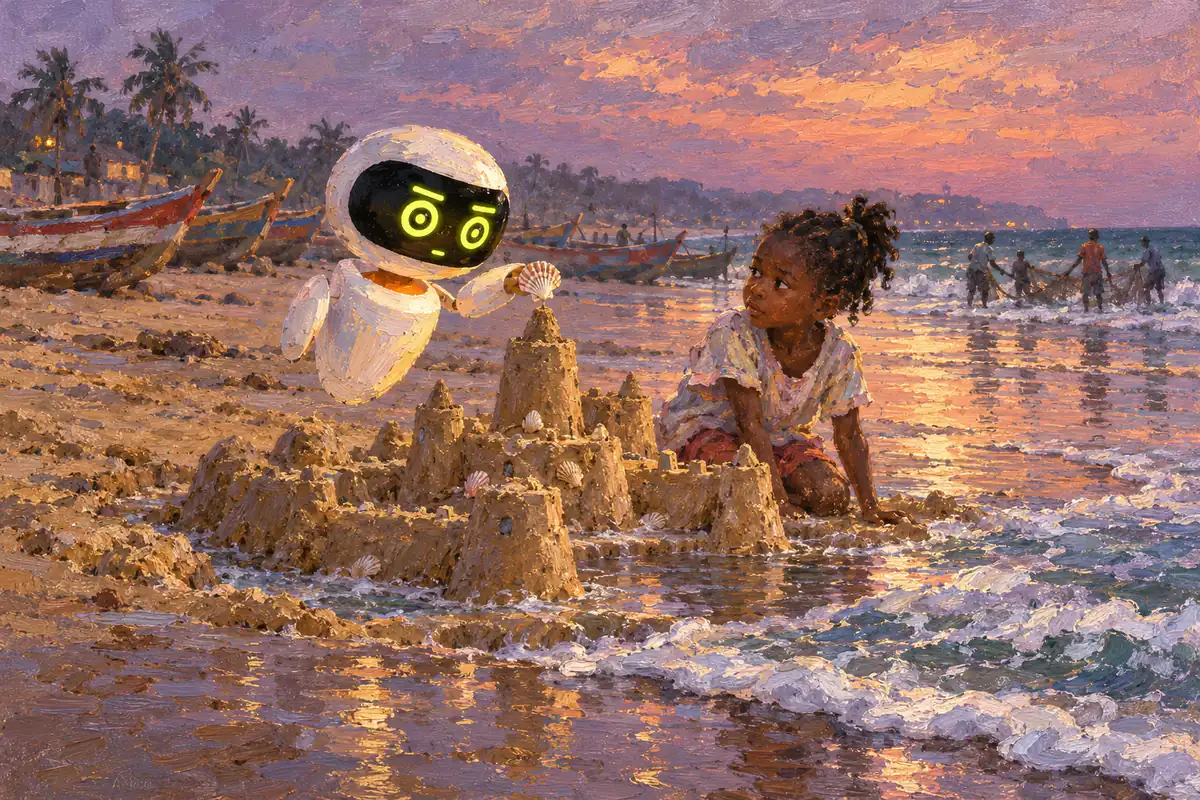
- Is the work worth doing?Is the work Chippus were given worth doing?
- Old enough to dieWould you want to live forever?
- The greener fieldHave you ever arrived somewhere you thought would be better and found that it wasn't?