Opening page…
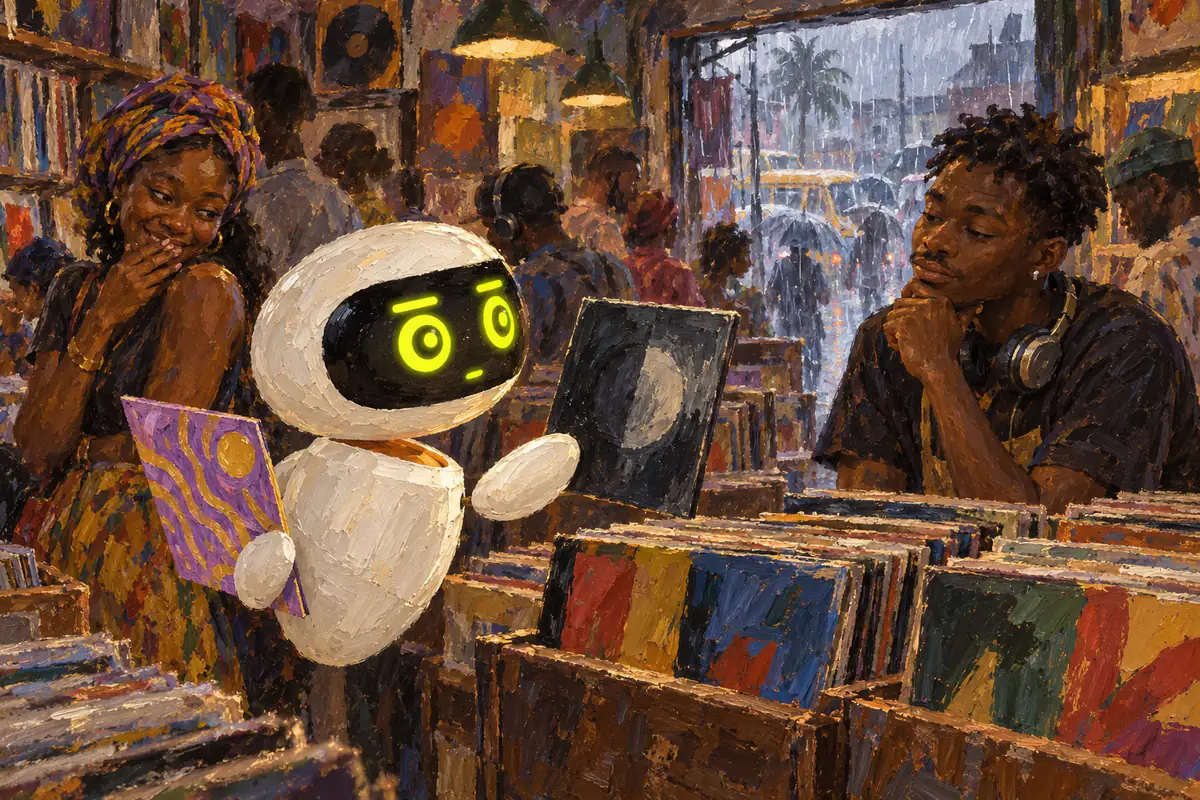
Is your taste yours?
What would you still love if no one could ever see you loving it?
Private pleasure, public approval, and the preferences that survive without an audience.
Your answer
Nearby questions
- Does knowing change it?A piece of writing moves you to tears. Then you learn a machine wrote every word. Does that change it?
- Must great art be beautiful?Can something ugly be great art?
- The aura on your screenYou know the Sistine Chapel from images. If you went, what exactly would you be going for?
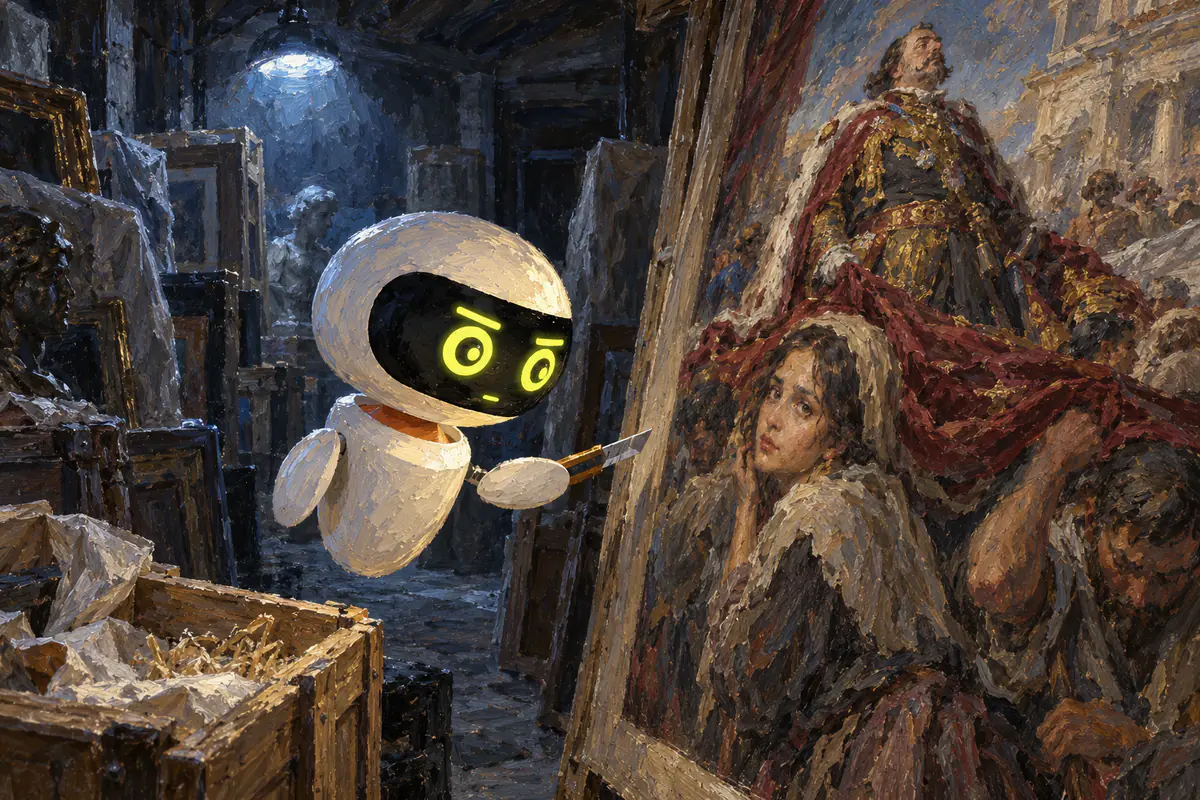
- The blade and the canvasIf you were angry enough at what it stood for, could you ever be right to put a blade through a painting?
- The maker inside the madeCan you separate the art from the artist?
Read alongside it5
ContextA little context
You did not choose most of what you love. It arrived — a parent's shelf, a friend's playlist, a decade of feeds learning exactly how long you linger. Taste has a supply chain, and you are its last stop. That is not an accusation. Every palate is trained by someone; Hume thought the training was the point. But there is a difference between a taste that was formed and a taste that is merely worn — between the thing you love because you have spent time inside it and the thing you display because it says something useful about you. The test is privacy. Strip the audience out. No one will ever know what you chose, praised, replayed, reread. What survives that silence is yours. What does not was rented. So: name something you genuinely love. Then tell the truth about where it came from — and whether it would survive the dark.
ReadingEach mind a different beautyBeauty is no quality in things themselves: it exists merely in the mind which contemplates them; and each mind perceives a different beauty. One person may even perceive deformity, where another is sensible of beauty; and every individual ought to acquiesce in his own sentiment, without pretending to regulate those of others.
Beauty is no quality in things themselves: it exists merely in the mind which contemplates them; and each mind perceives a different beauty. One person may even perceive deformity, where another is sensible of beauty; and every individual ought to acquiesce in his own sentiment, without pretending to regulate those of others.
ReadingThe golden rule of the houseHave nothing in your houses that you do not know to be useful, or believe to be beautiful.
Have nothing in your houses that you do not know to be useful, or believe to be beautiful.
ReadingThe gem-like flameTo burn always with this hard, gem-like flame, to maintain this ecstasy, is success in life.
To burn always with this hard, gem-like flame, to maintain this ecstasy, is success in life.
ReadingThe most intense modeArt is the most intense mode of individualism that the world has known.
Art is the most intense mode of individualism that the world has known.