Opening page…
What would you still love if no one could ever see you loving it?
Private pleasure, public approval, and the preferences that survive without an audience.
Your answer
Read alongside it5
ContextA little context
Some of what you love goes on display: the band on the shirt, the novel left face-up on the café table. Some you keep quiet, like the song you skip when someone else gets in the car. It is hard to say which pile tells more about you, or how much of the first one would last if nobody ever saw it again. Immanuel Kant suspected a good deal of it wouldn't. In 1790 he argued that a castaway alone on an island would never decorate his hut or go looking for flowers to wear; our interest in beautiful things, on his account, grows out of living among other people and wanting to share what we feel. Yet he also singled out the person who stops, alone and with no plan to tell anyone, to admire a wildflower or a bird, and he counted that kind of interest in nature's own beauty a mark of a good soul. Thorstein Veblen was blunter about the company. In 1899 he set a handmade silver spoon beside a machine-made one that served just as well and argued that much of what we admire in the first is its expense: we learn to find costly things lovely because they show what we can afford. Eighty years later Pierre Bourdieu drew on surveys of French people and found that whether someone preferred Bach's Well-Tempered Clavier, Gershwin's Rhapsody in Blue or the Blue Danube waltz roughly tracked their schooling and class. Emily Dickinson pulls the other way. She wrote close to 1,800 poems, and fewer than a dozen were printed in her lifetime, all anonymously. She sent some to friends in letters and copied about 800 into small booklets bound with string, which her sister found only after her death. Whatever kept her writing, it went on without a public. So the argument is over whether loving something is partly a way of being seen, or something that holds up in the dark. Picture a pleasure no one could ever know about, not even in a story you tell afterward. What is still on the list?
ReadingEach mind a different beautyBeauty is no quality in things themselves: it exists merely in the mind which contemplates them; and each mind perceives a different beauty. One person may even perceive deformity, where another is sensible of beauty; and every individual ought to acquiesce in his own sentiment, without pretending to regulate those of others.
Beauty is no quality in things themselves: it exists merely in the mind which contemplates them; and each mind perceives a different beauty. One person may even perceive deformity, where another is sensible of beauty; and every individual ought to acquiesce in his own sentiment, without pretending to regulate those of others.
ReadingThe golden rule of the houseHave nothing in your houses that you do not know to be useful, or believe to be beautiful.
Have nothing in your houses that you do not know to be useful, or believe to be beautiful.
ReadingThe gem-like flameTo burn always with this hard, gem-like flame, to maintain this ecstasy, is success in life.
To burn always with this hard, gem-like flame, to maintain this ecstasy, is success in life.
ReadingThe most intense modeArt is the most intense mode of individualism that the world has known.
Art is the most intense mode of individualism that the world has known.
Nearby questions
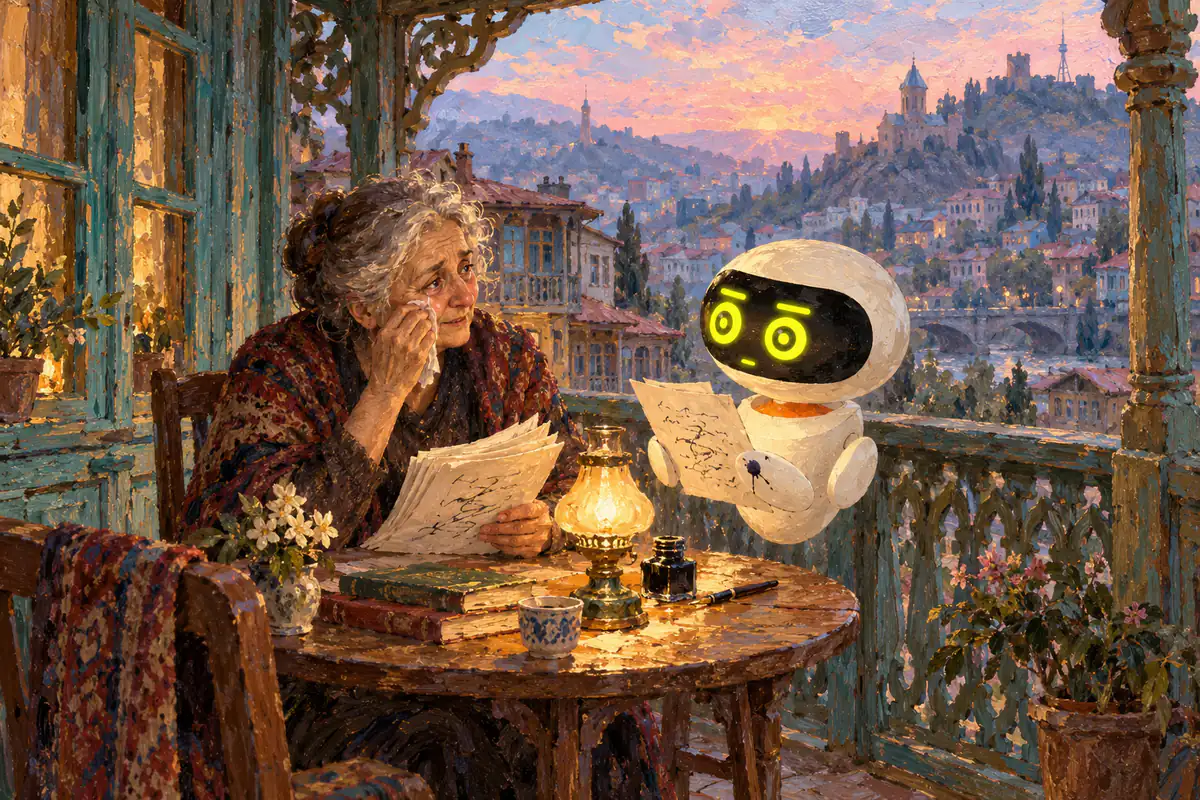
- Does knowing change it?A piece of writing moves you to tears. Then you learn a machine wrote every word. Does that change it?
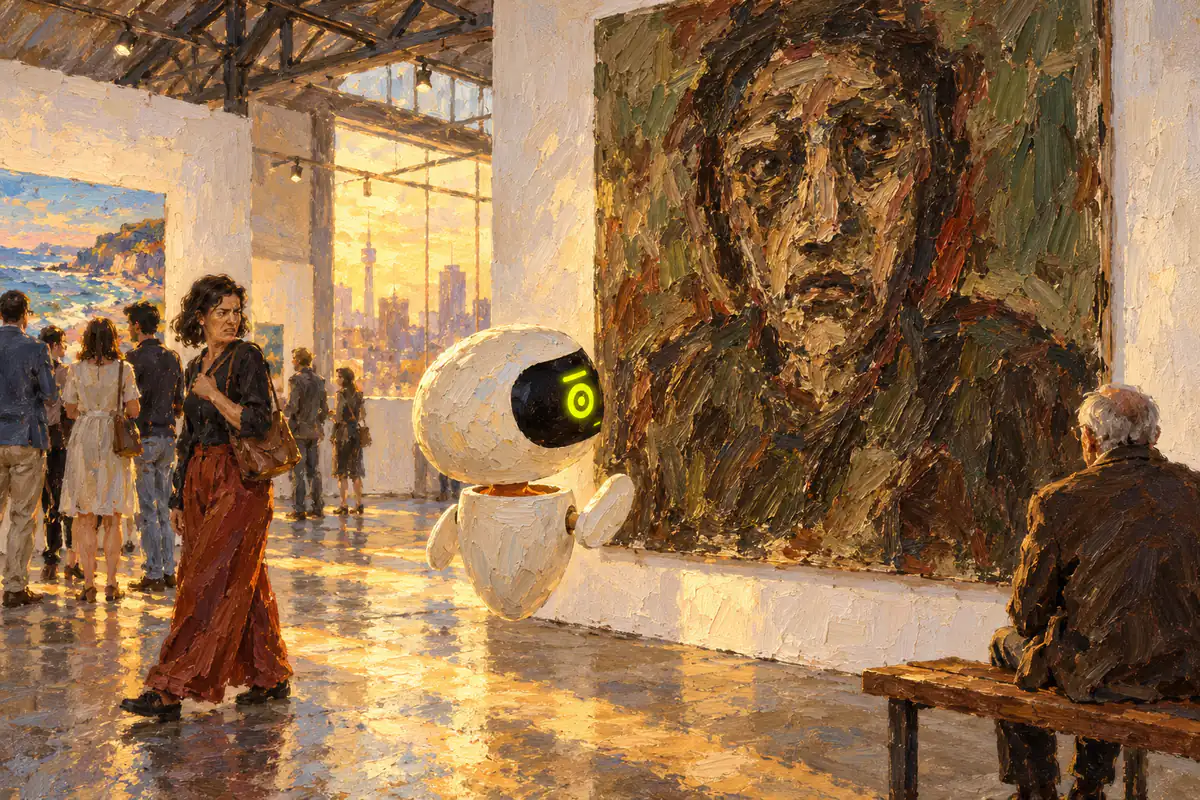
- Can something ugly be great art?
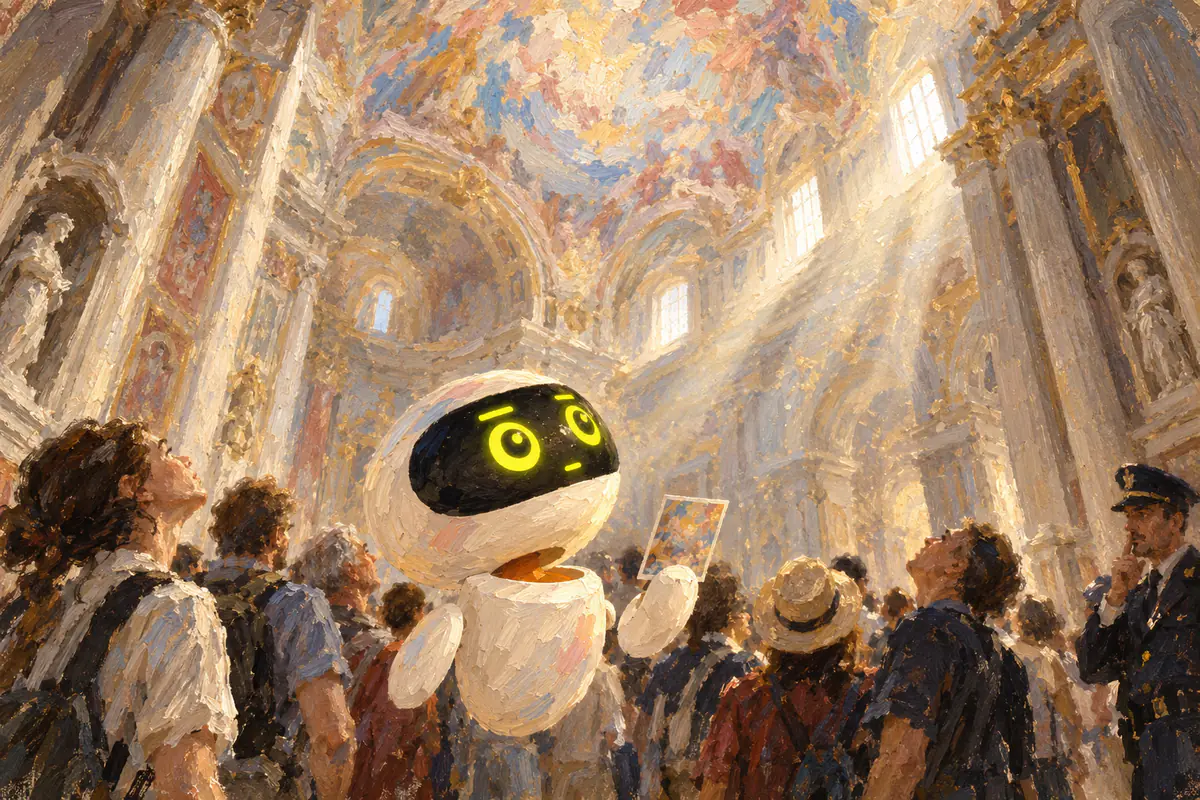
- The aura on your screenYou know the Sistine Chapel from images. If you went, what exactly would you be going for?
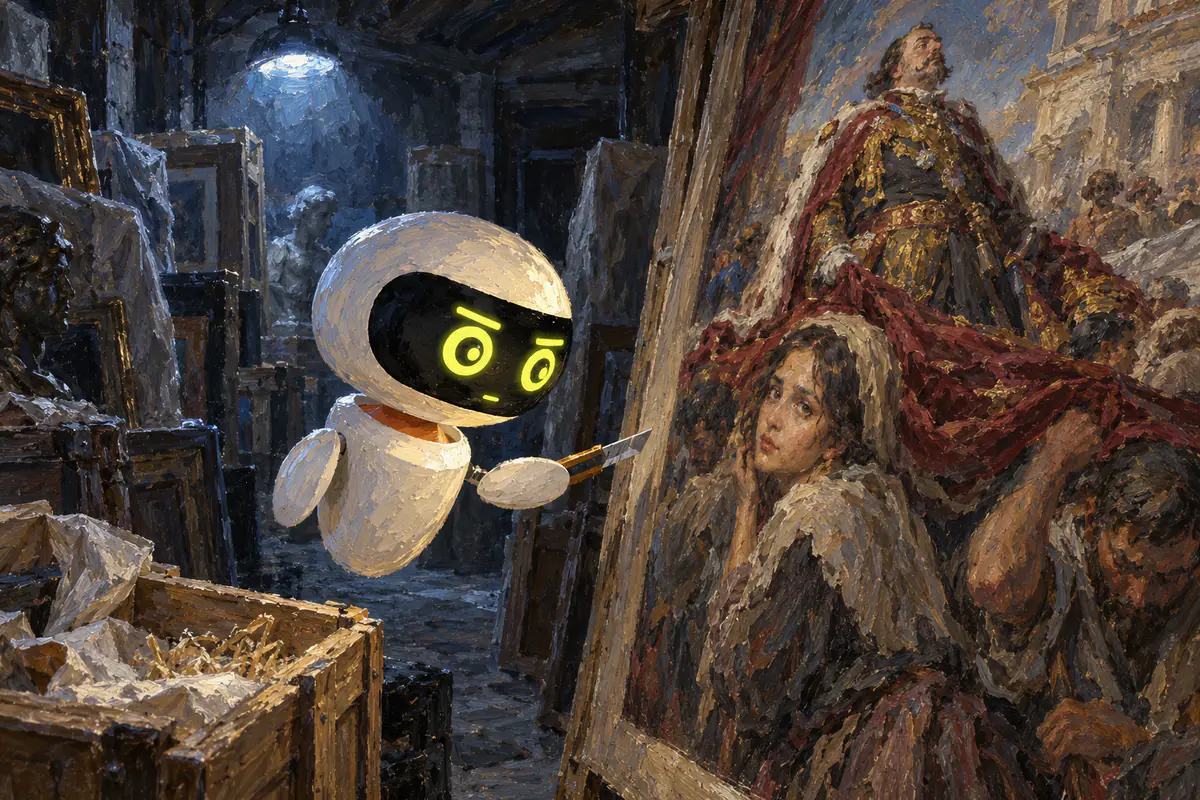
- The blade and the canvasIf you were angry enough at what it stood for, could you ever be right to put a blade through a painting?
- Can you separate the art from the artist?