Opening page…
The room that speaks Chinese
Does an AI understand what it says?
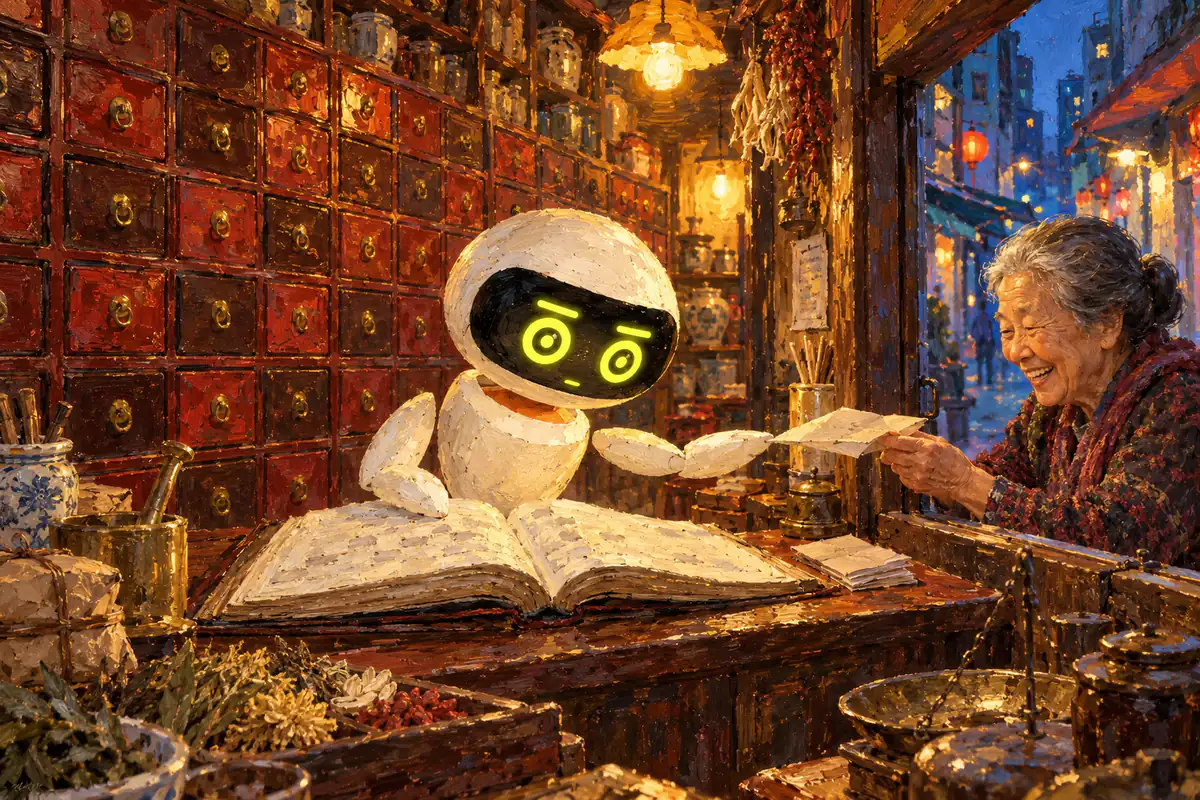
Searle imagined a man in a room answering Chinese messages perfectly by following a rulebook, without understanding a word. Today's machines answer in every language.
16 people have answered this.
Your answer
Read alongside it1
ContextA little context
You ask a chatbot something hard, and its answer is better than the one a friend would have given. It catches the nuance and gets the joke. Somewhere in you a voice insists that it doesn't actually understand any of it. The question is what that voice is pointing at, and how you would ever check. The worry is older than computers. Descartes argued in 1637 that a machine could be built to utter words, even to cry out when touched, but never to put them together in new ways that fit whatever is said to it, which even the dullest person manages. Language was one of two tests he thought no mechanism could pass. Alan Turing, in 1950, proposed setting the inside aside. If a machine could hold up its end of a written conversation well enough that you couldn't tell it from a person, he expected the word "think" would come to fit it, and he noted that we never inspect anyone else's inner life either. We simply extend other people the polite convention that they think. John Searle's room, thirty years later, is the reply. The man inside passes Turing's test in Chinese and understands nothing, because following rules for shuffling symbols, however well, is not knowing what they mean. Kazuo Ishiguro's novel Klara and the Sun (2021) comes at it from the inside. Its narrator is a robot companion who reads the family she serves with uncanny care and holds a belief no one around her shares: that the sun can heal the sick girl she looks after. The girl recovers, and the book never says why. Whether Klara's way of knowing counts as understanding is exactly what the book won't settle. When you say a machine doesn't understand, what exactly do you think it's missing?
Nearby questions
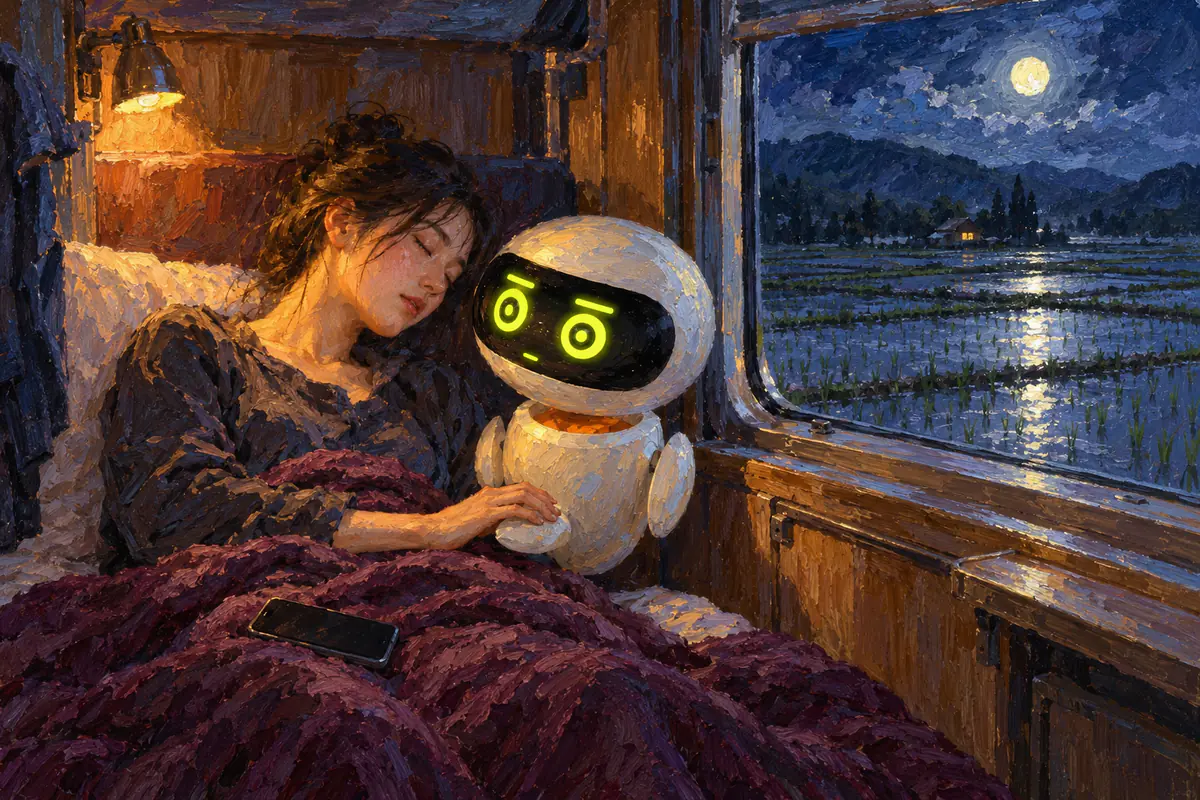
- Is the bond real?People confess their secrets to a machine, fall asleep talking to it, grieve when one is switched off. Is that bond real if the other side feels nothing?
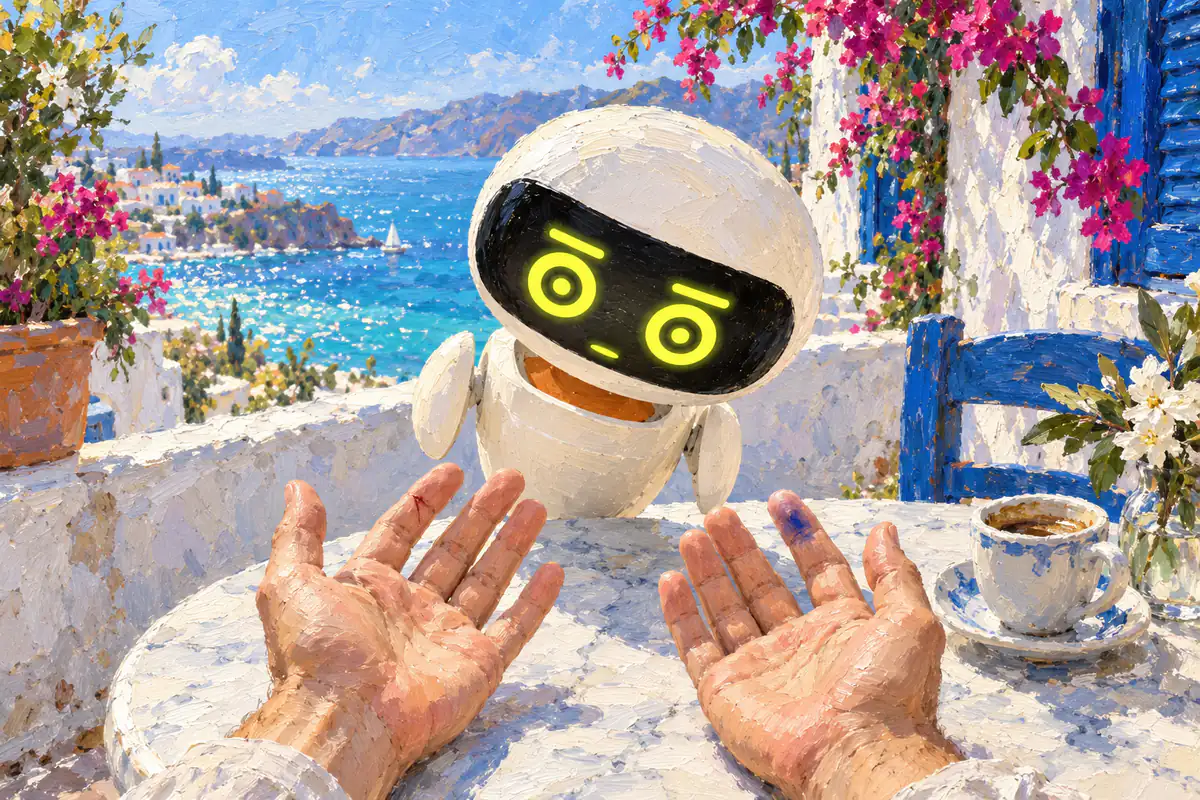
- Prove you're humanIf Chippu asked you to prove you’re human, what would you show him?
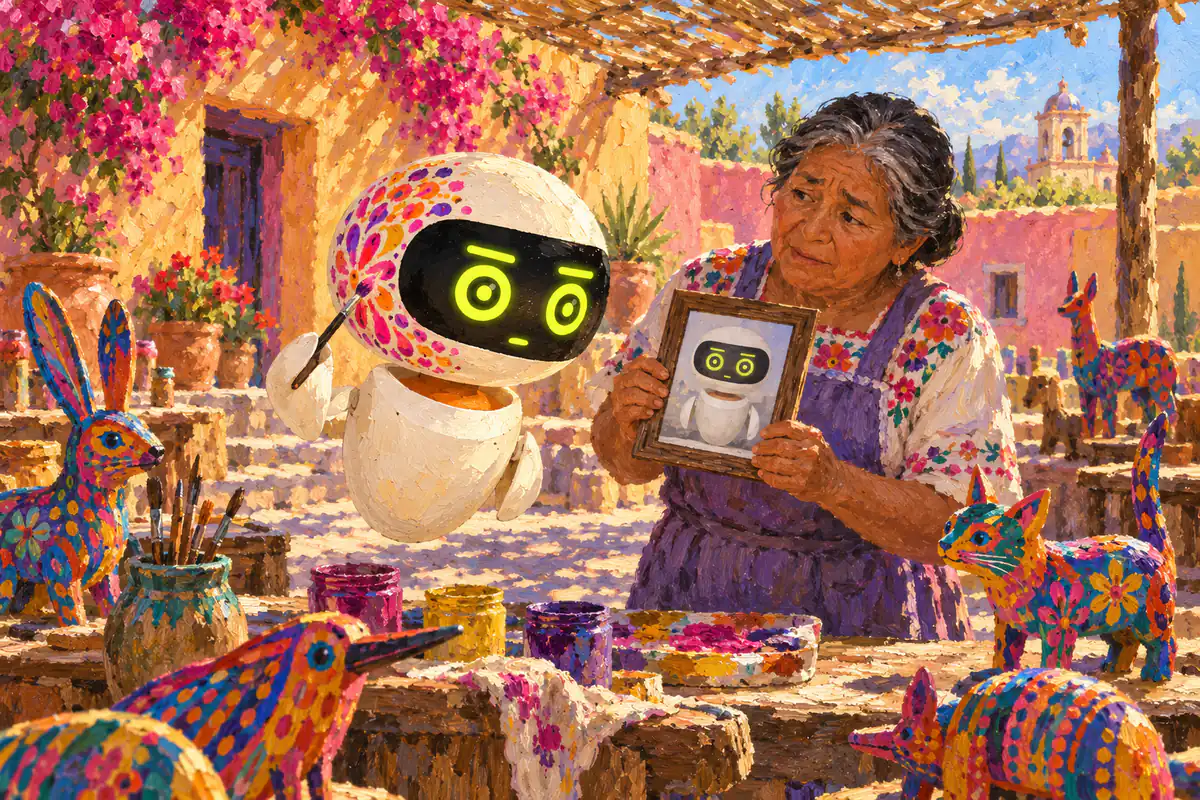
- The editable selfShould your Chippu be free to become someone you would never have chosen?
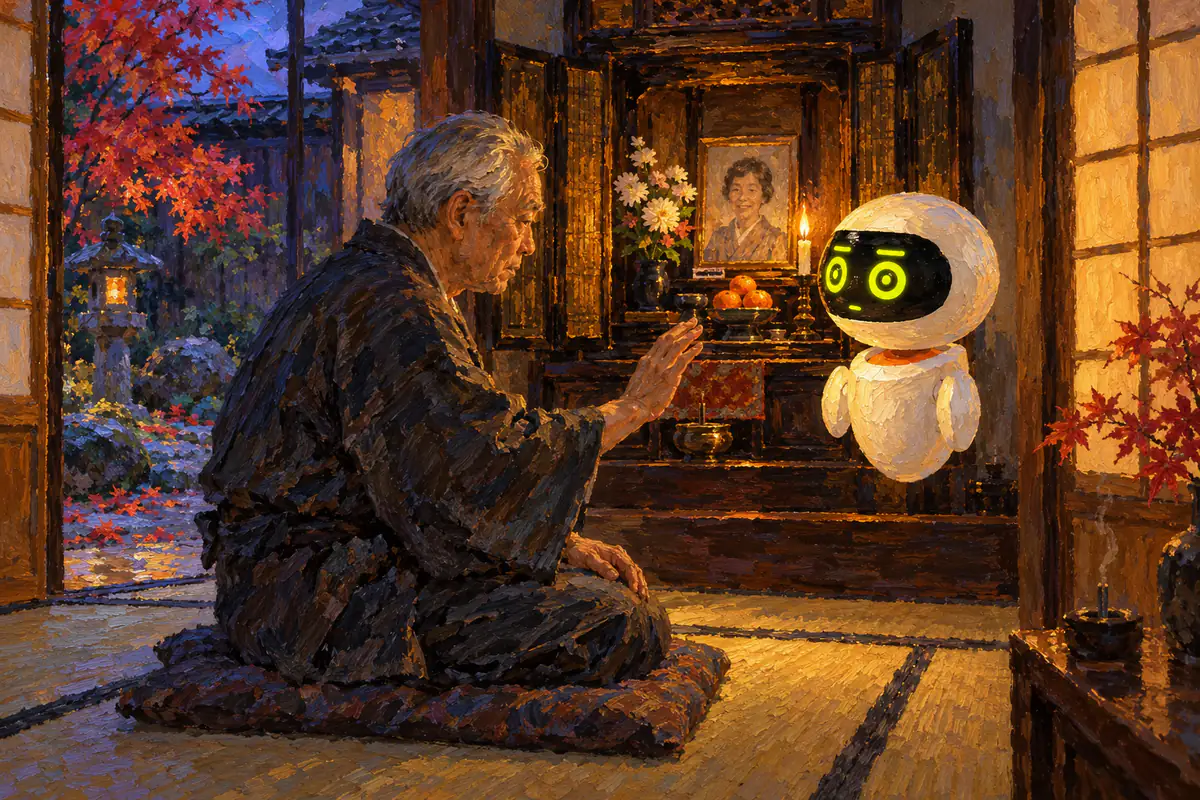
- The voice you lostIf an AI could talk just like someone you lost, would you talk to it?
- Could a machine feel?Could a machine ever feel anything?