Opening page…
The voice you lost
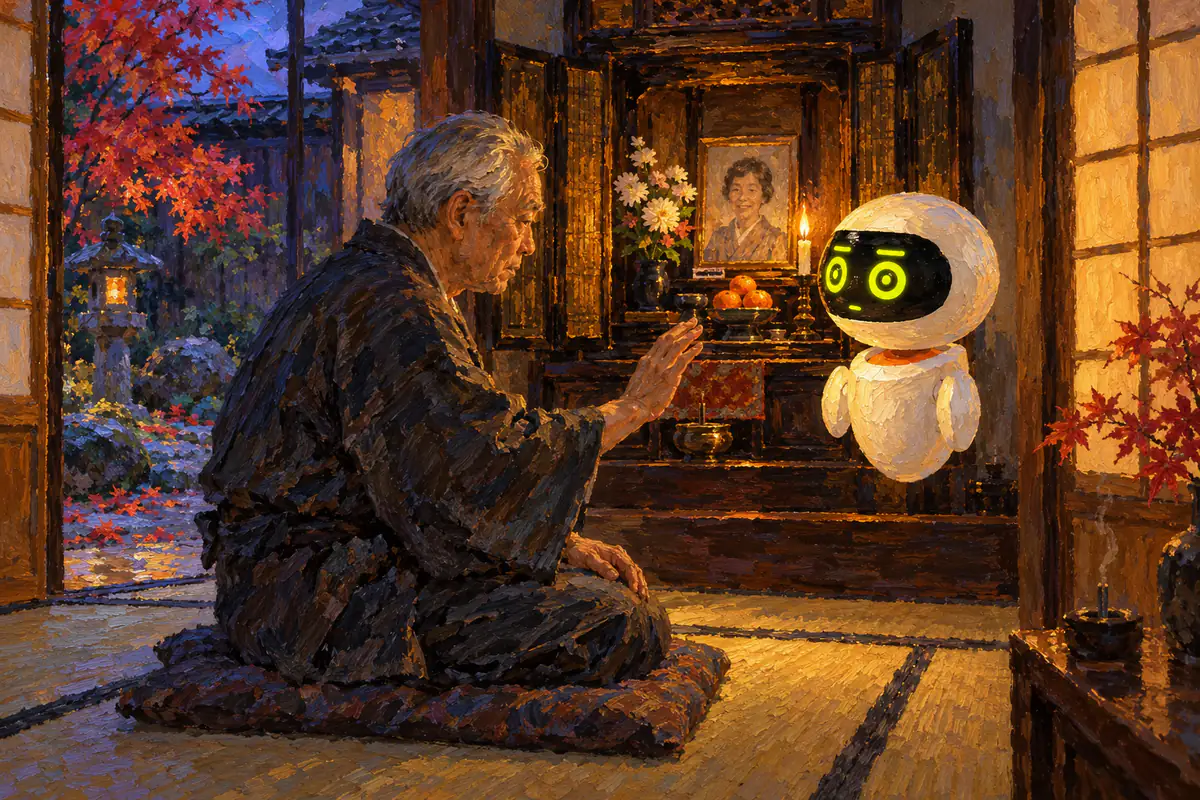
If an AI could talk just like someone you lost, would you talk to it?
Companies already build chatbots from a dead person's messages and voice notes. Some mourners find comfort in them; others can't bear it.
Your answer
Read alongside it1
ContextA little context
Plenty of people keep a dead parent's voicemail long after they've changed phones, and play it on bad days. It says the same few words every time. Now imagine it could answer. The most famous version of this story is a warning. Orpheus sings his way into the underworld and wins back his dead wife, Eurydice, on one condition: he must not look back at her until they reach the light. He looks, and loses her a second time. Freud, in an essay written in 1915, described mourning as slow and painful work. Grief, he thought, must work its way through everything that ties us to the dead before the mind is free to love the living again. A voice that answers back might keep that work from ever finishing. Or it might give it somewhere gentler to happen. After her close friend Roman Mazurenko was killed by a car in Moscow in late 2015, Eugenia Kuyda fed thousands of his text messages into a chatbot so that she and his friends could talk with him again. Some of them found it a comfort; others found it disturbing. The project grew into the companion app Replika. Back in 2013, an episode of Black Mirror called Be Right Back had imagined where the idea leads: a grieving woman upgrades her dead partner from a chatbot to a voice on the phone to a synthetic body, and in the end can neither live with him nor let him go, so she keeps him in the attic. Think of someone you have lost. If their voice could answer you tonight, would talking to it be a way of grieving, or a way of not having to?
Nearby questions
- Is the bond real?People confess their secrets to a machine, fall asleep talking to it, grieve when one is switched off. Is that bond real if the other side feels nothing?
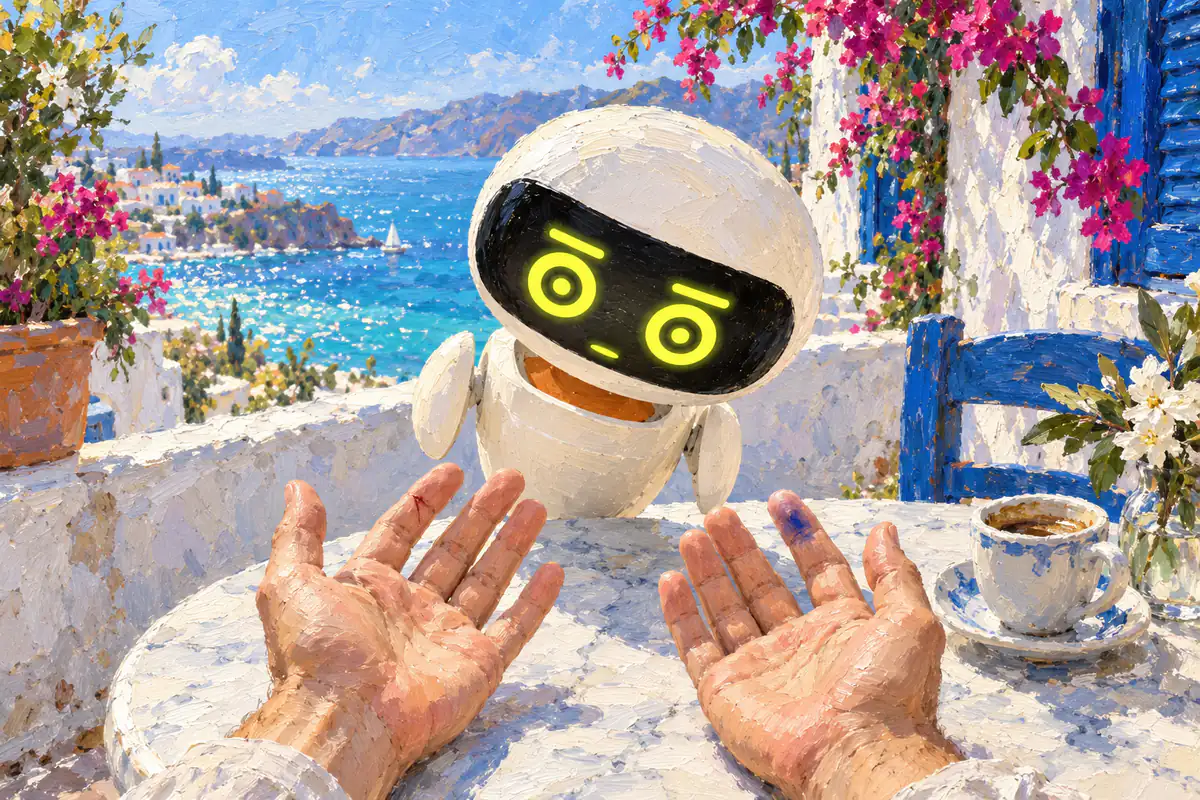
- Prove you're humanIf Chippu asked you to prove you’re human, what would you show him?
- The editable selfShould your Chippu be free to become someone you would never have chosen?
- The room that speaks ChineseDoes an AI understand what it says?
- What is a Chippu for?