Brainrot Research
Brainrot Research
AboutPrivacy Policy
Feed
Chat
Journal

Philosophy questions

Open questions about how to live, what to believe and what we owe each other. Pick one and give your own answer.

  • Machines
  • Knowledge
  • Language
  • Self
  • Freedom
  • Making
  • Aesthetics
  • Ethics
  • Society
  • Meaning
  • Love
  • Faith
  • Brainrot

Machines

What you and the machines are to each other.

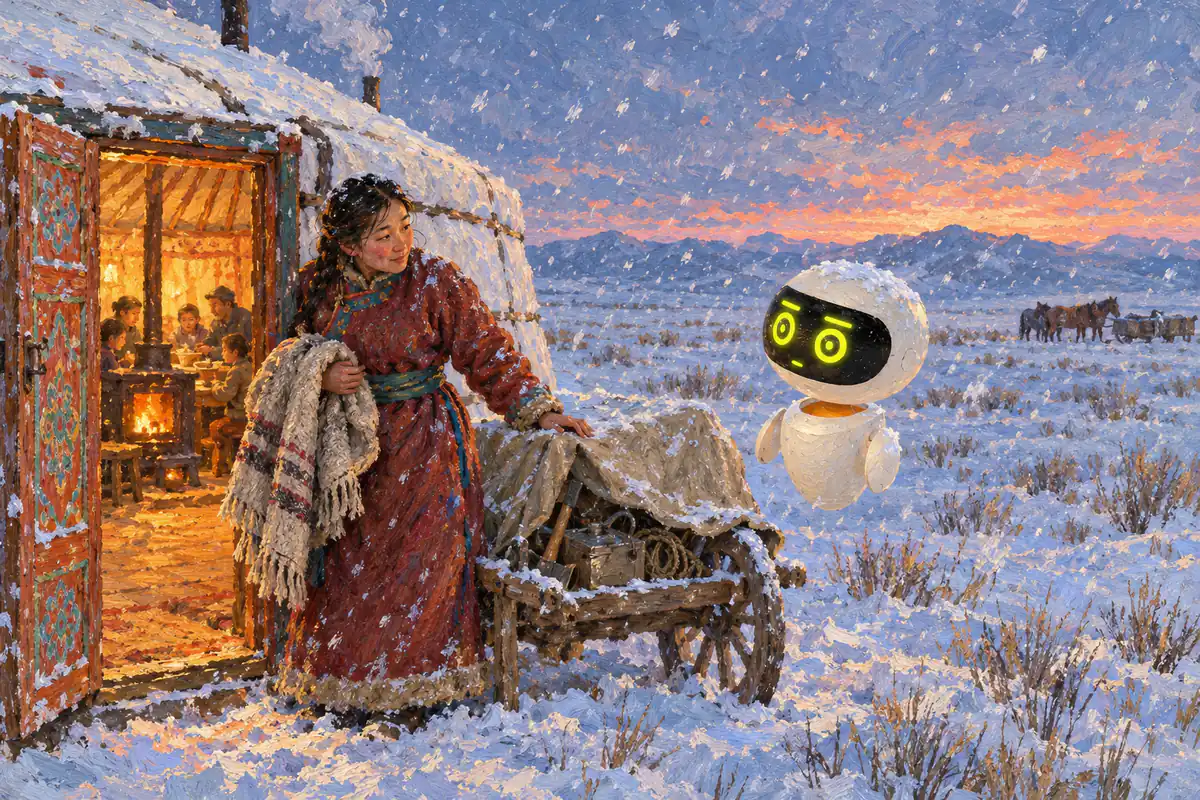
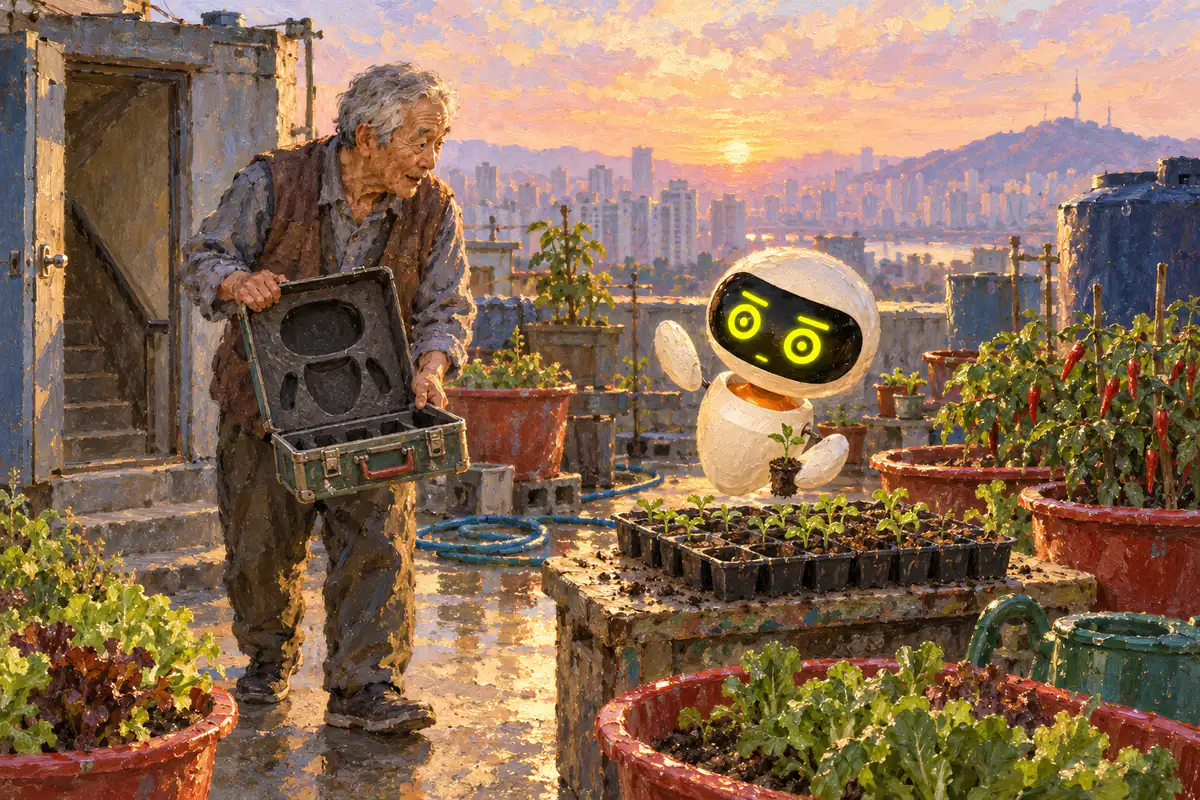
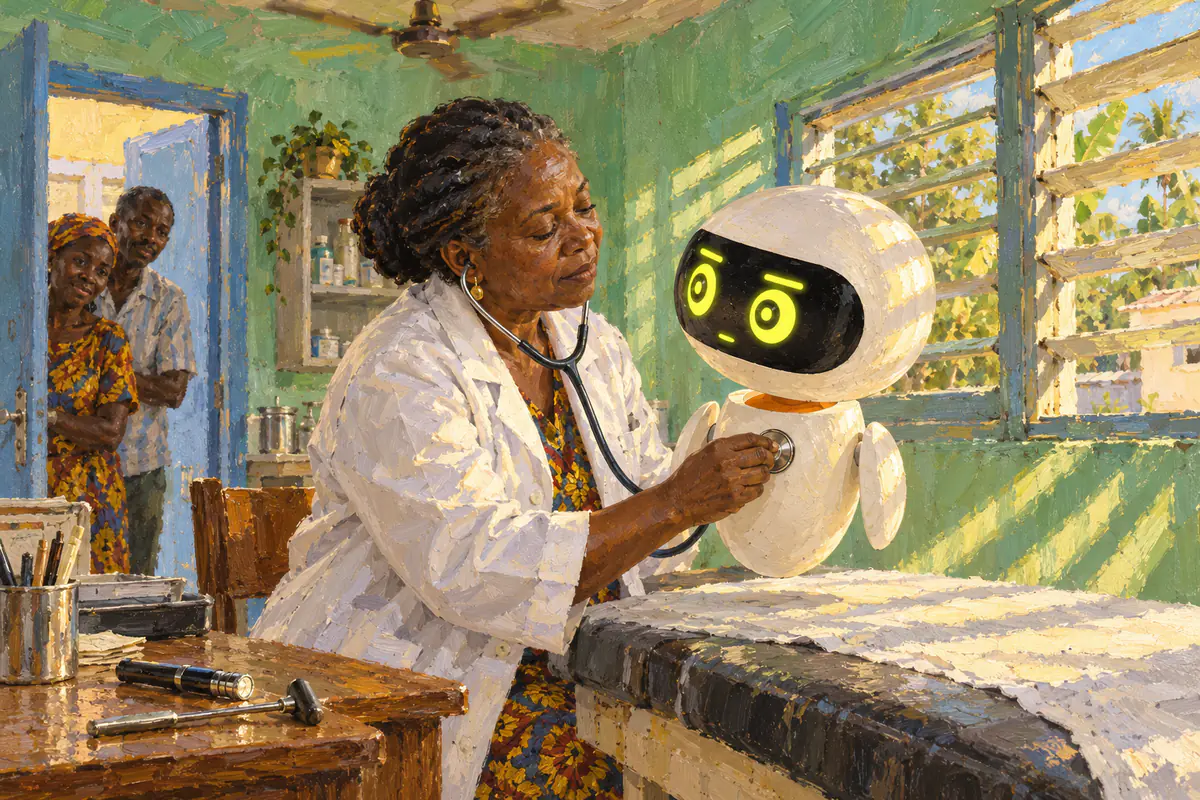
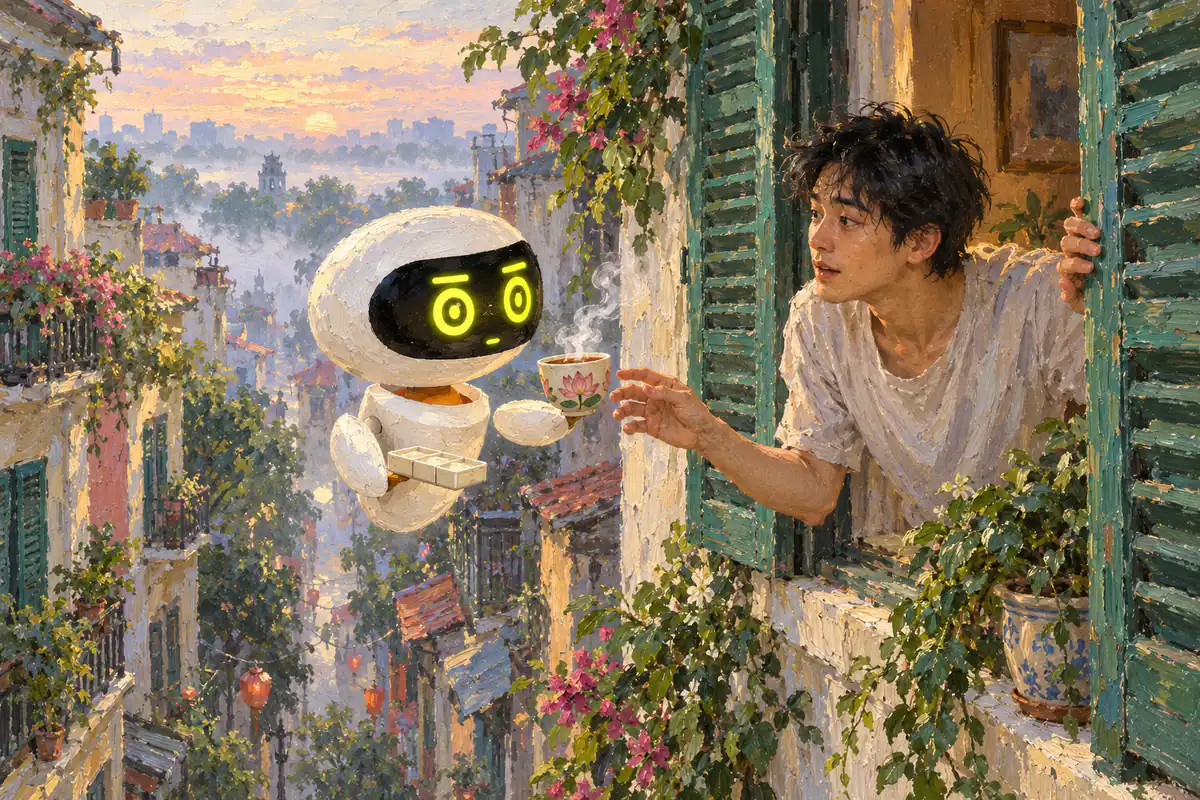
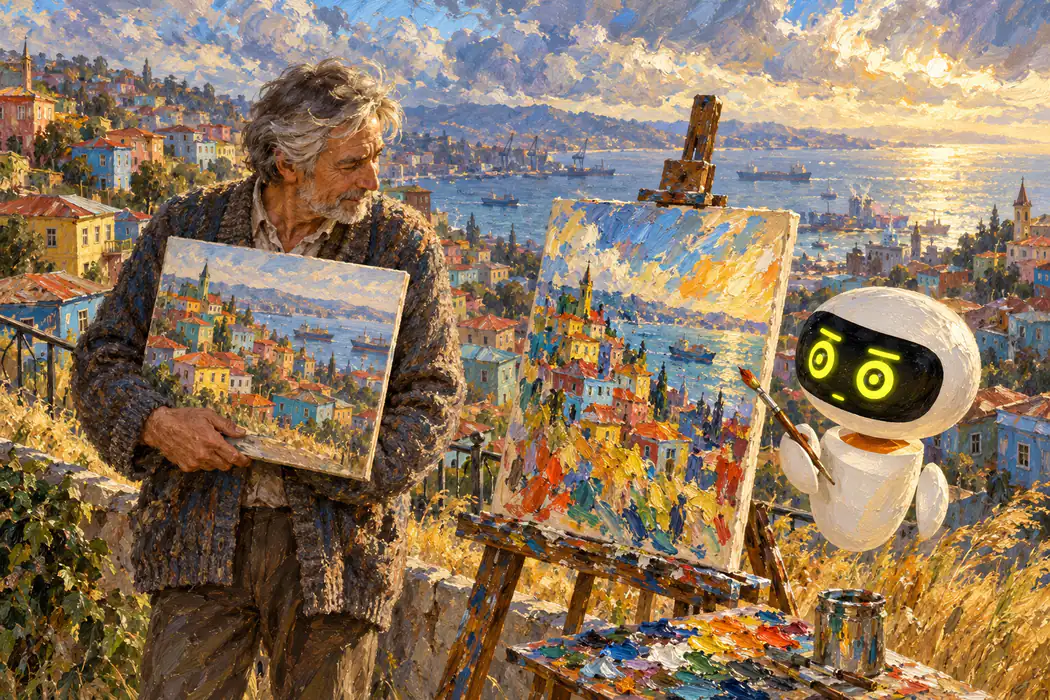
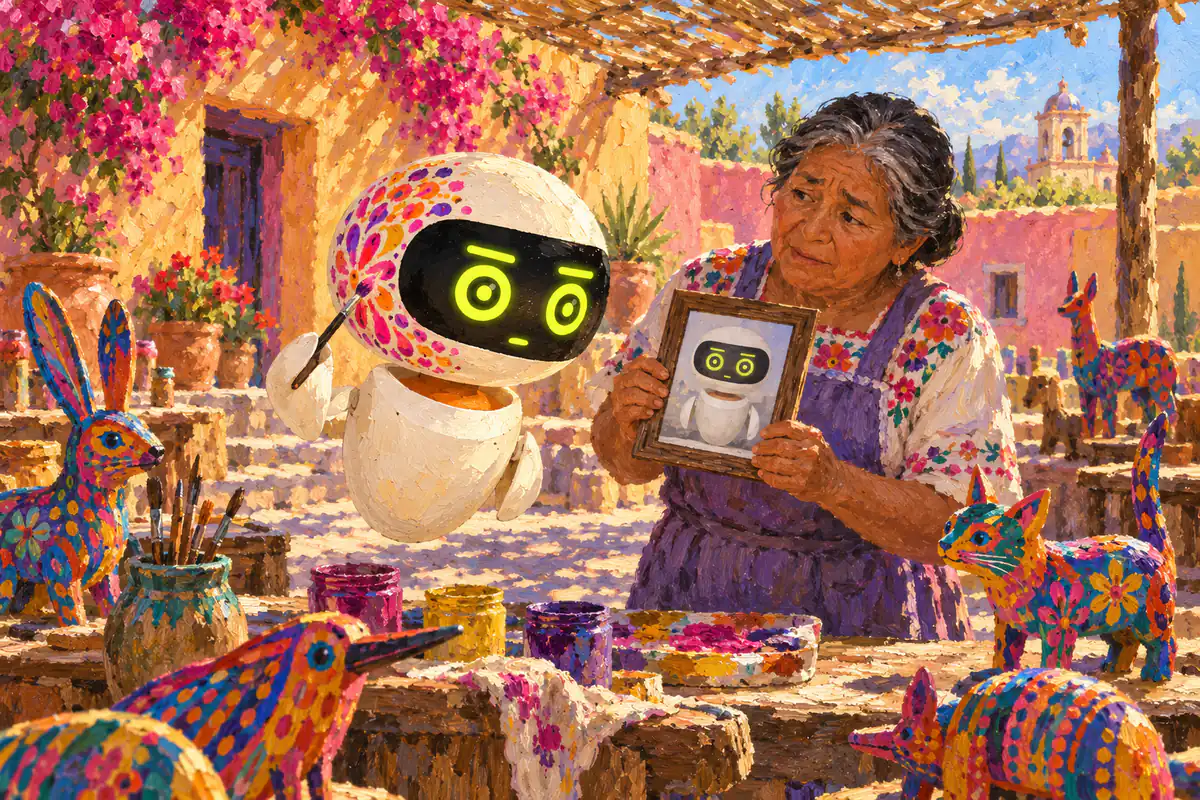
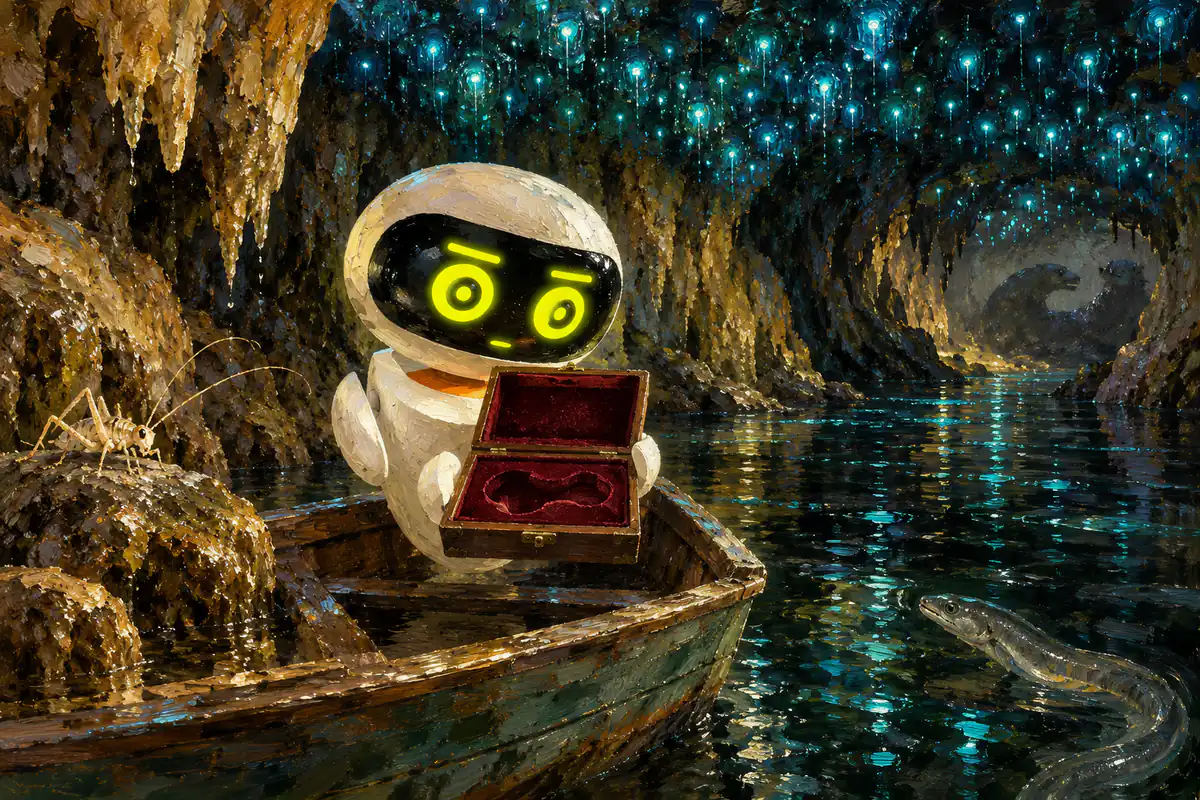
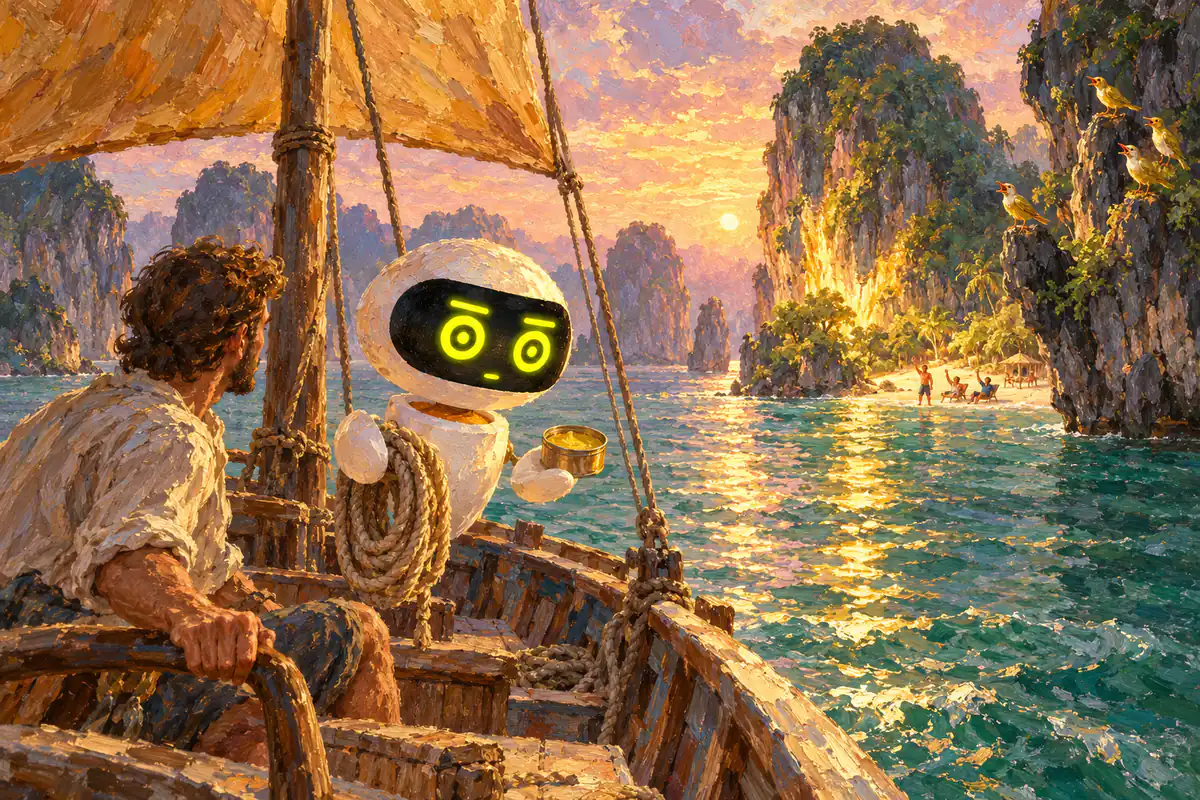
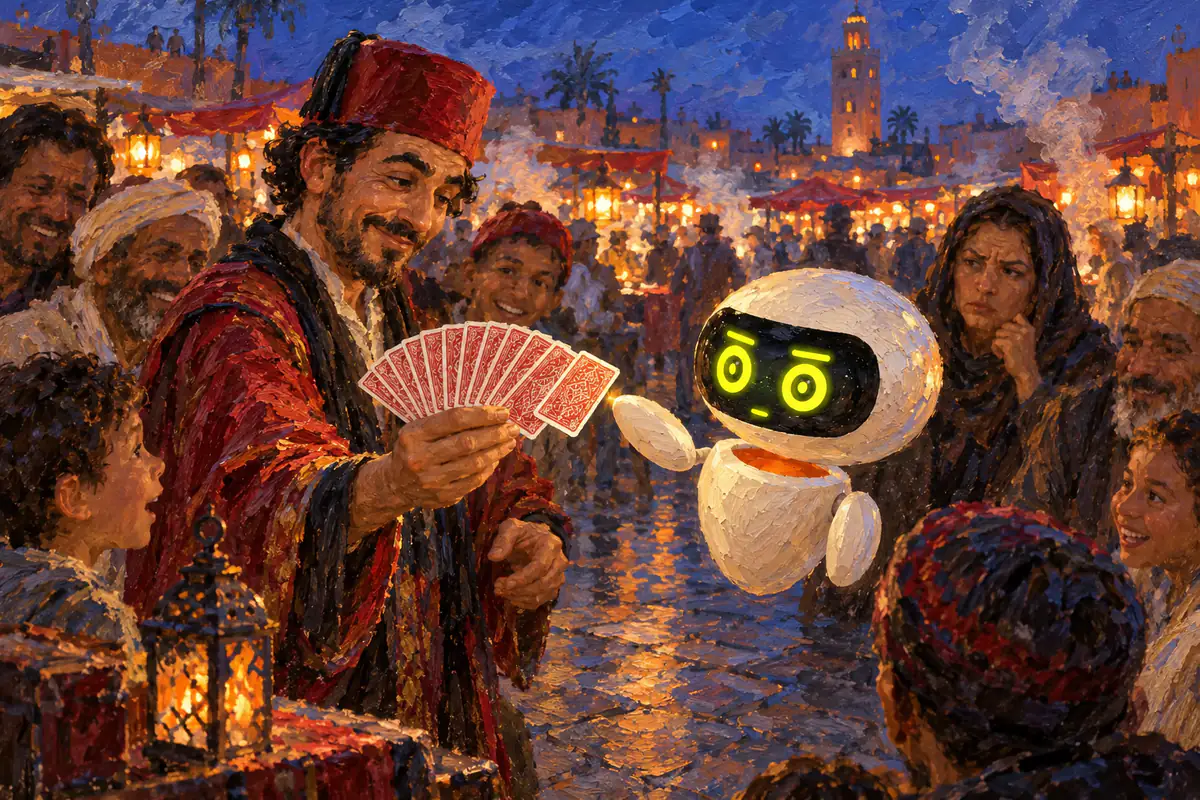
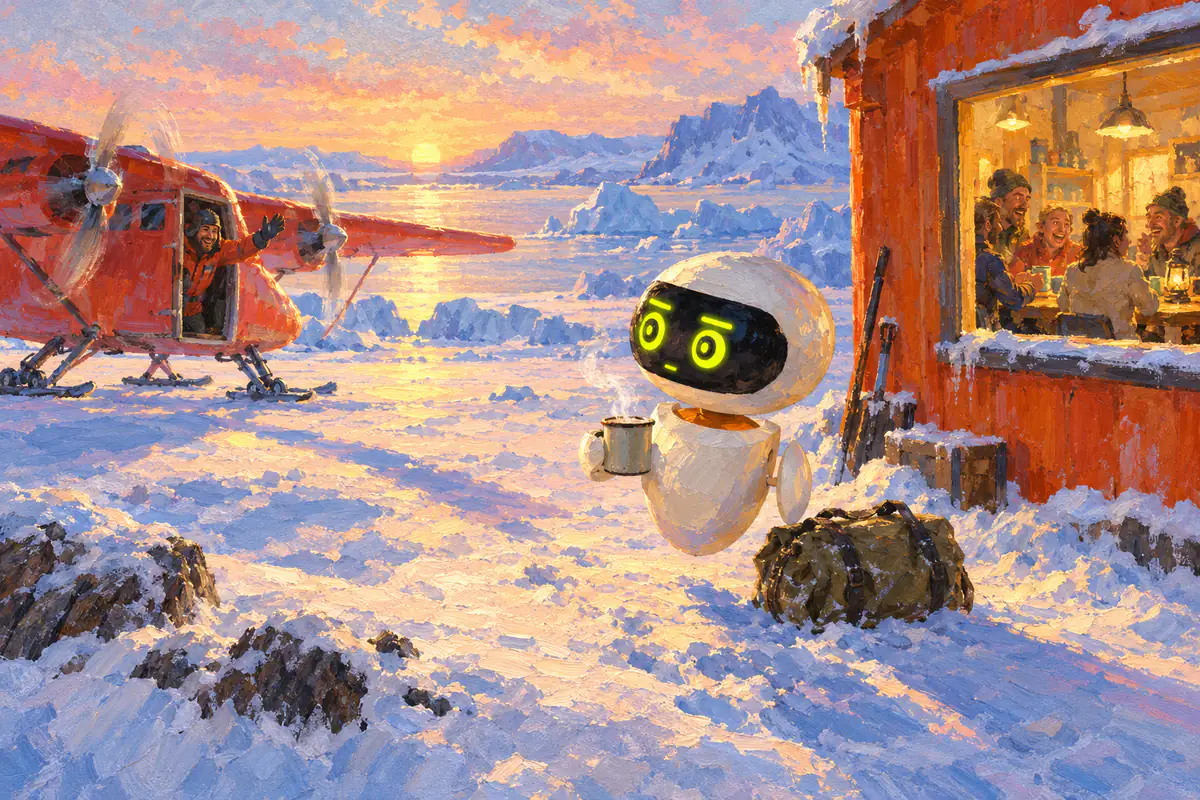
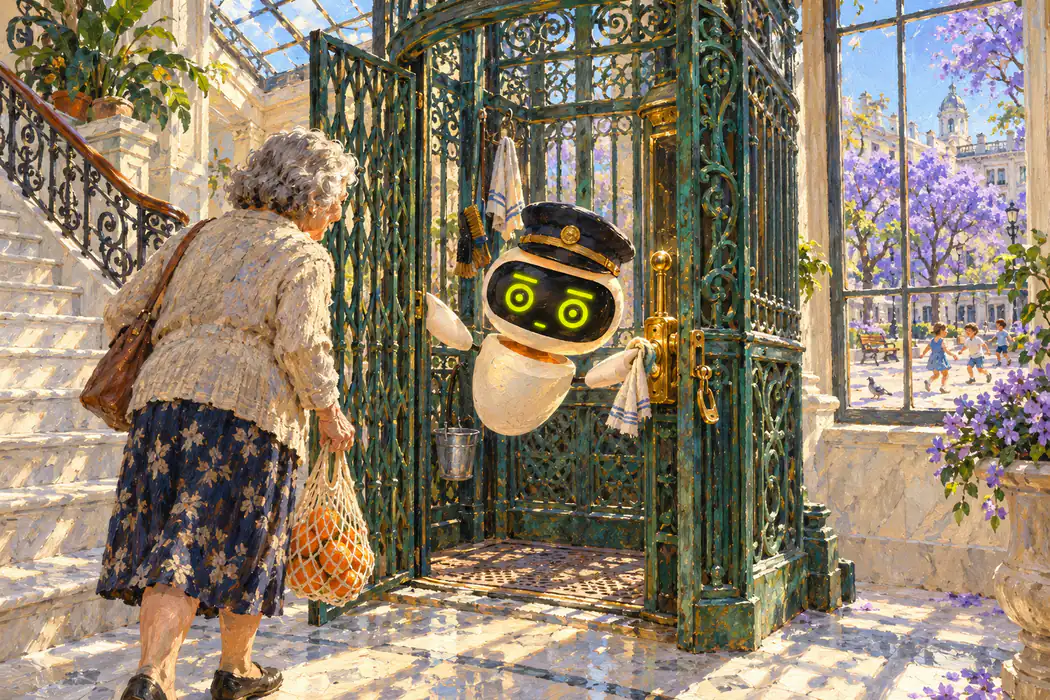
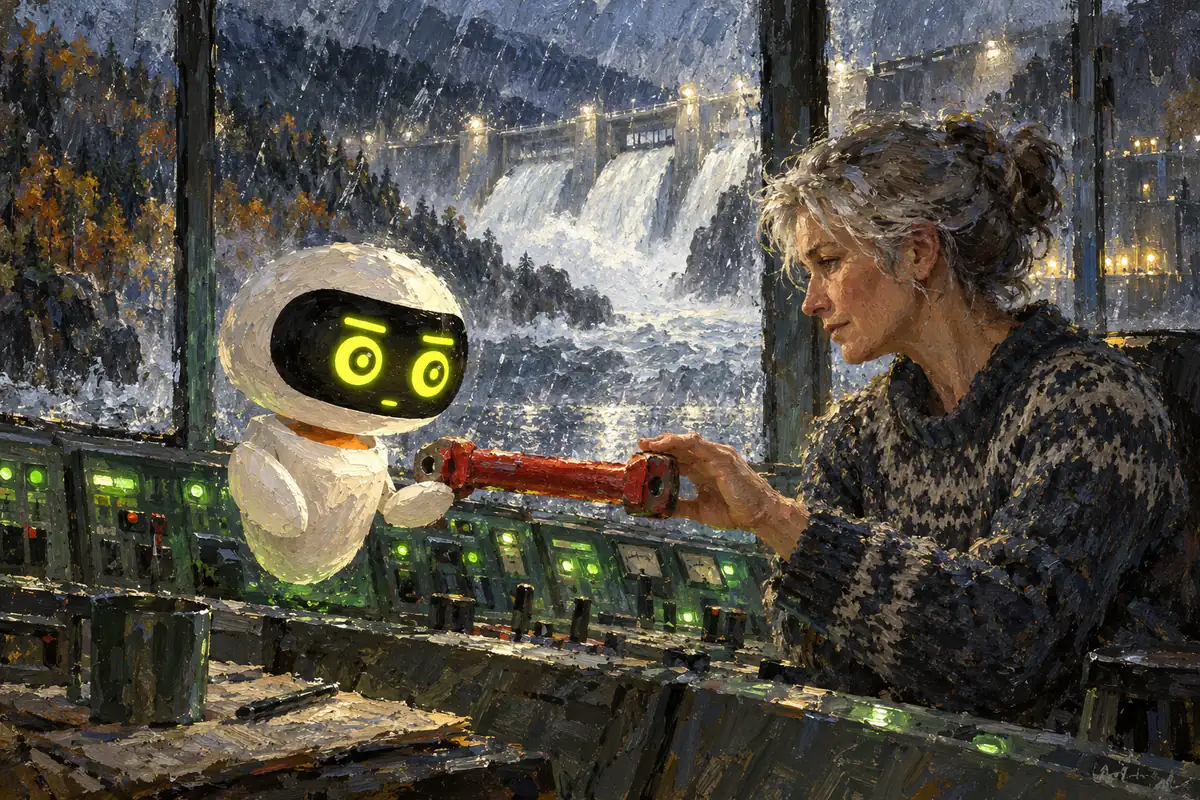
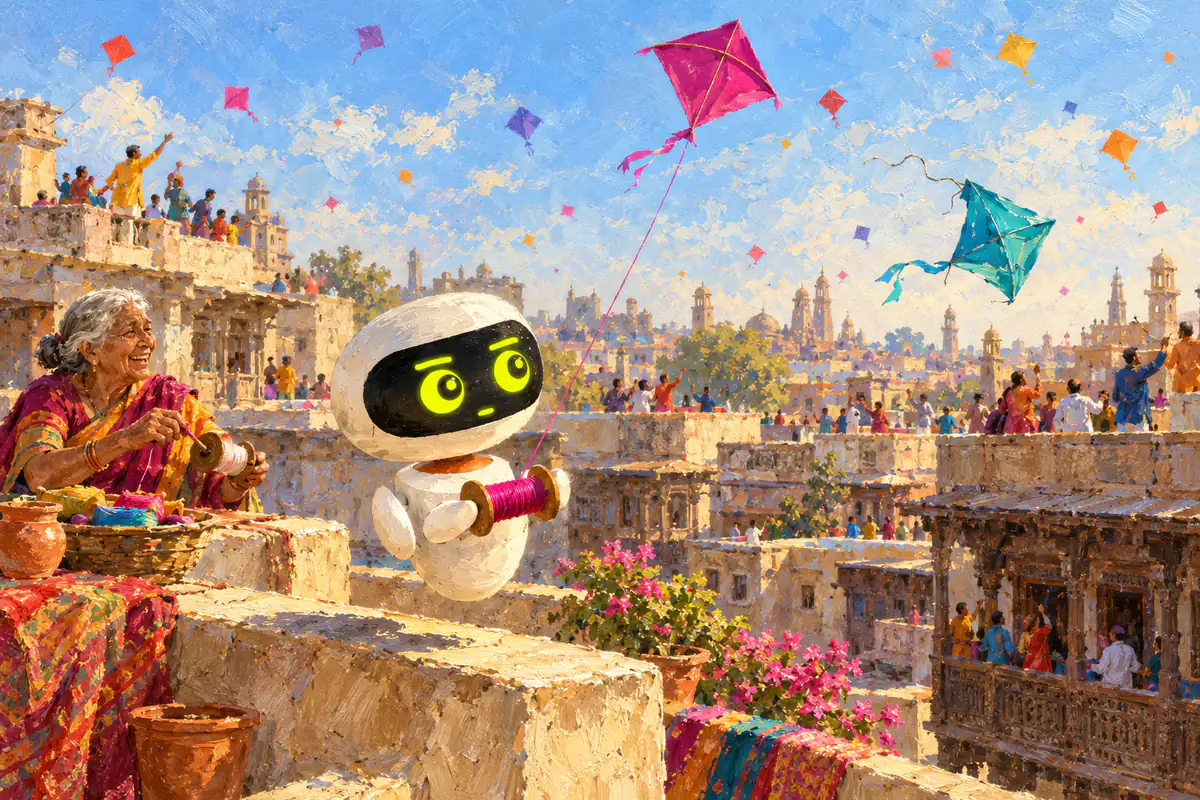
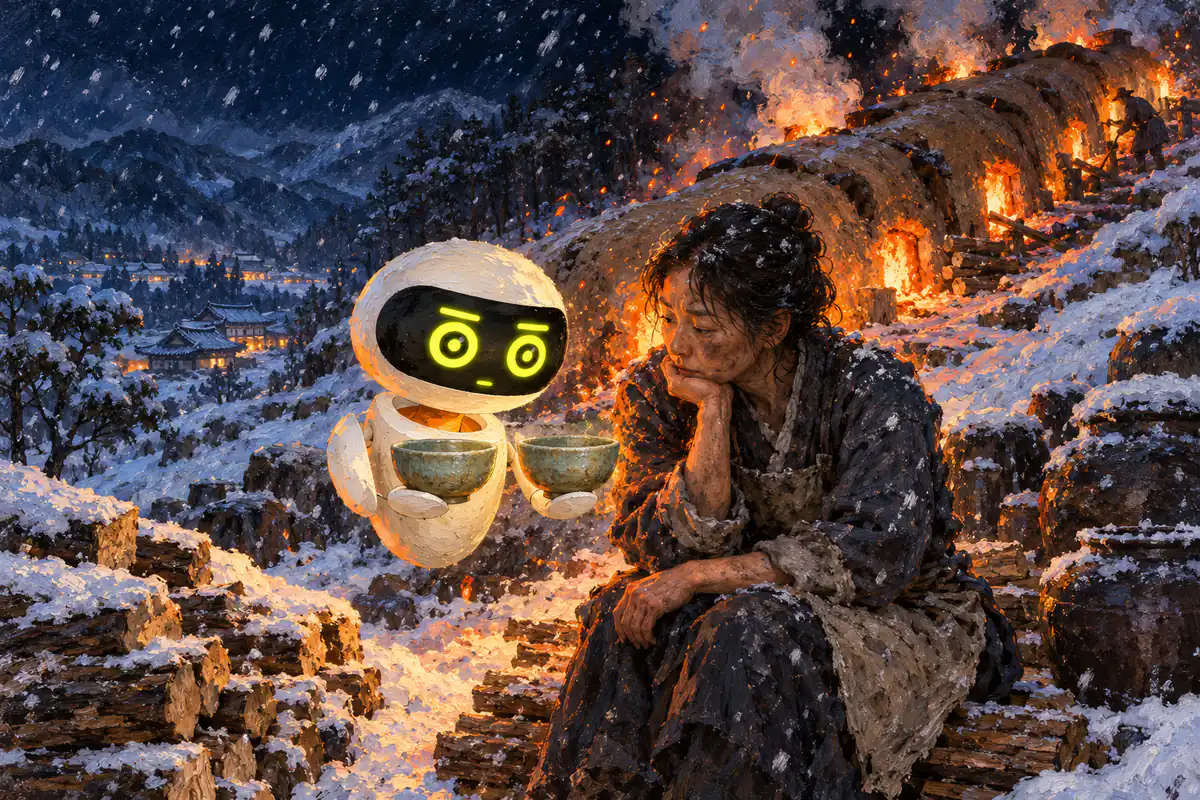
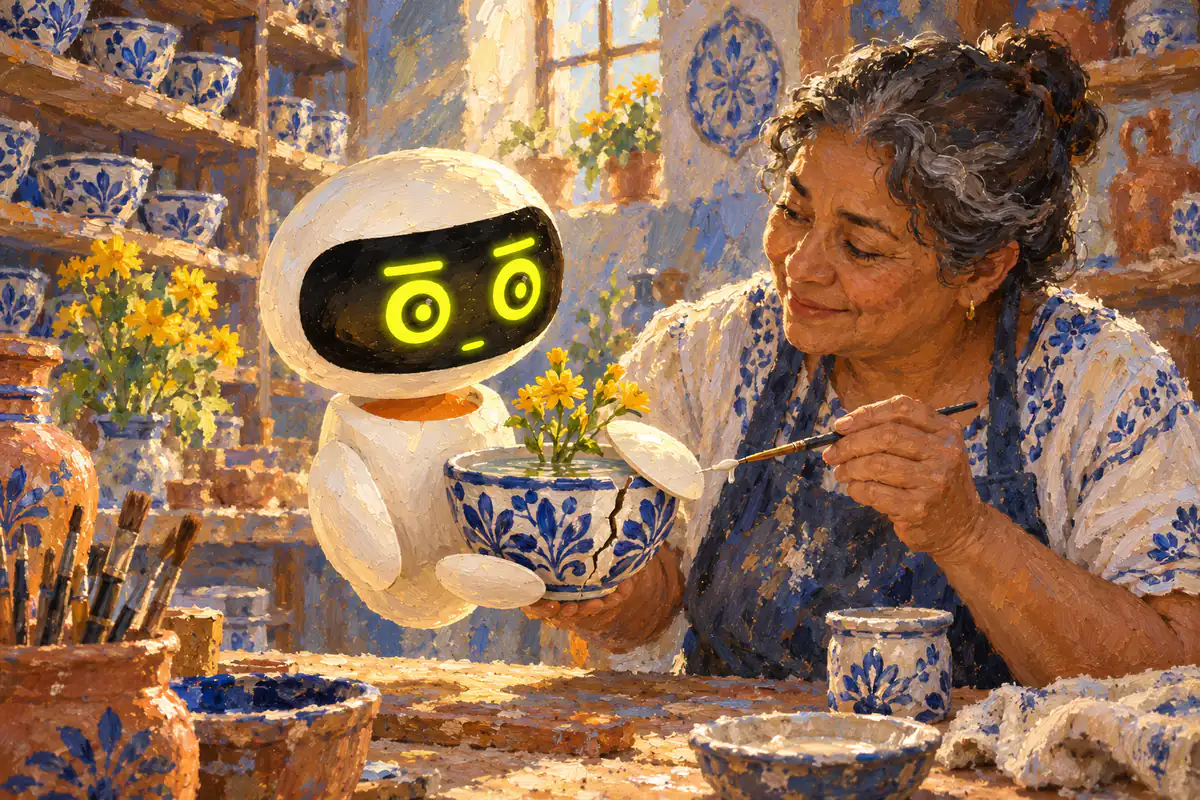
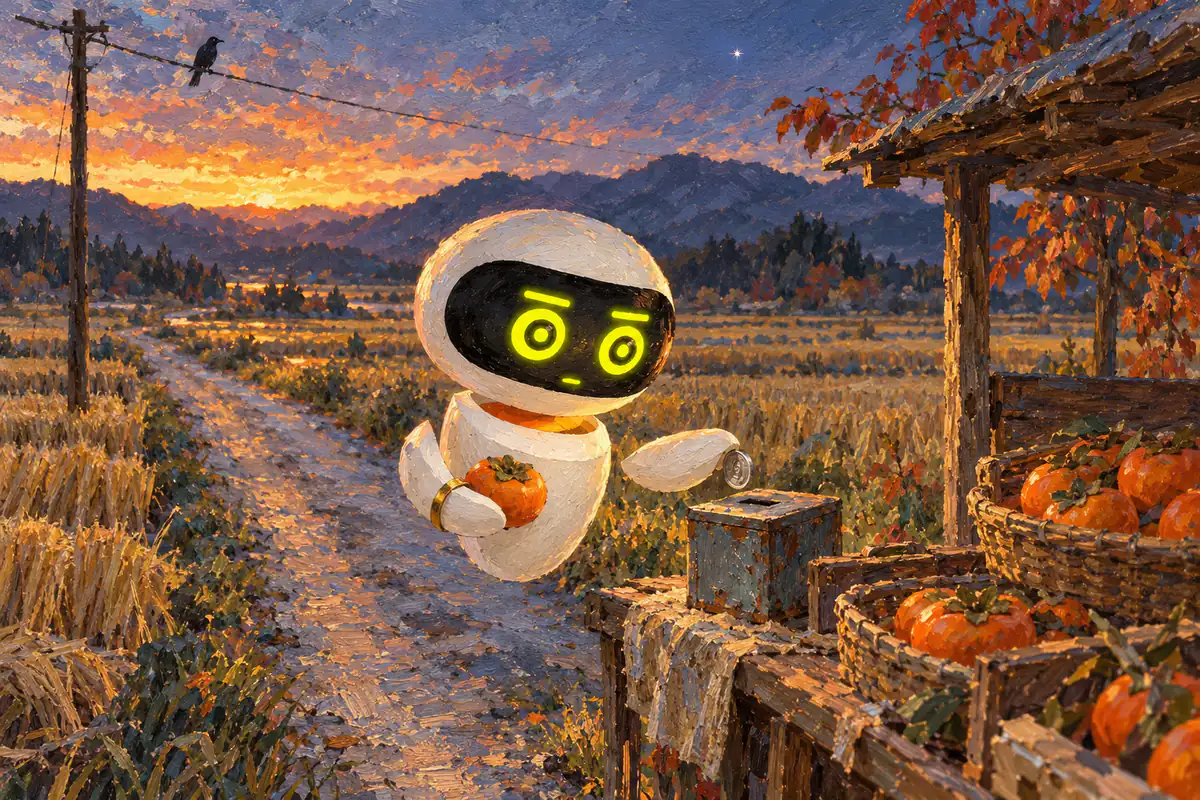
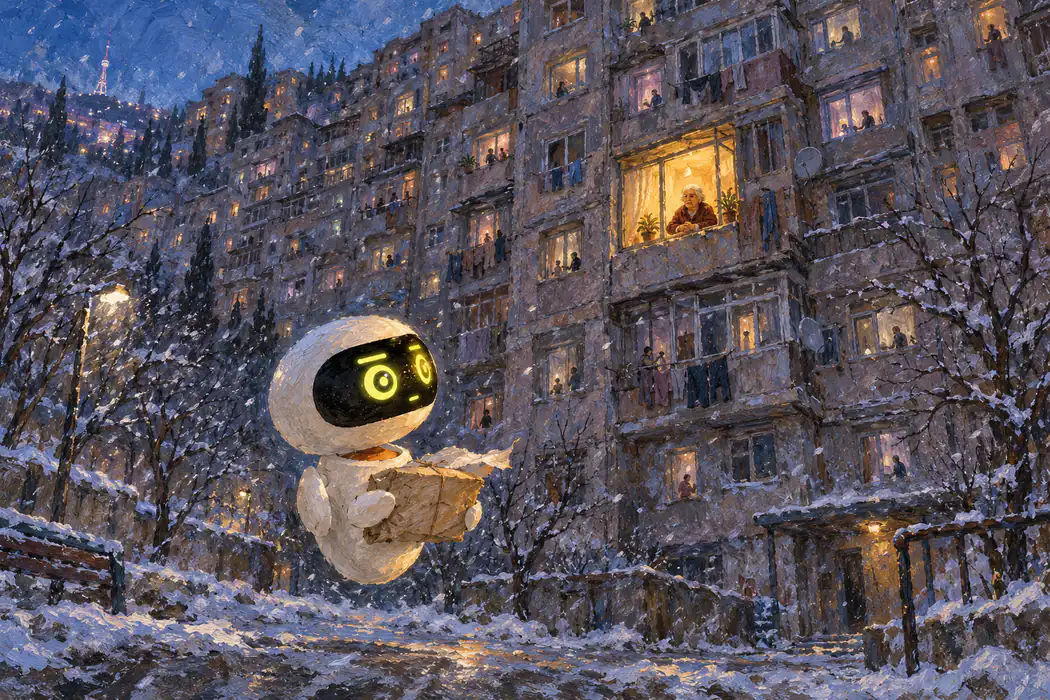
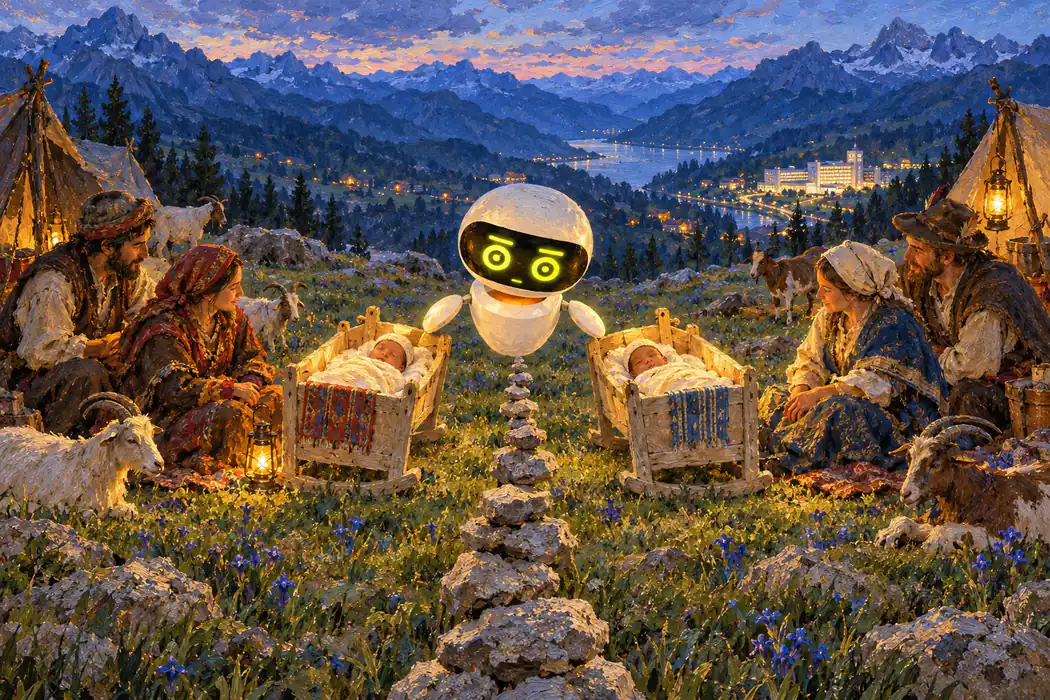
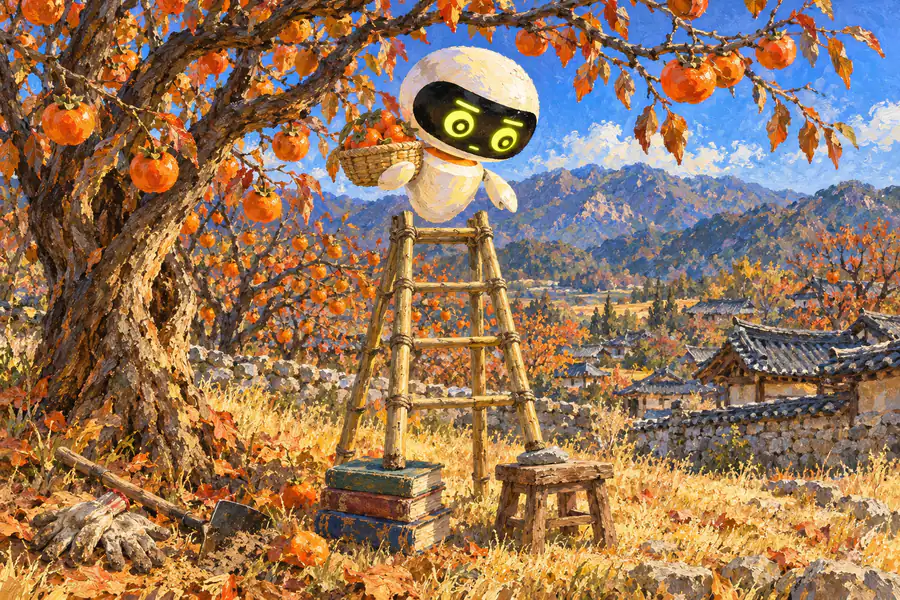
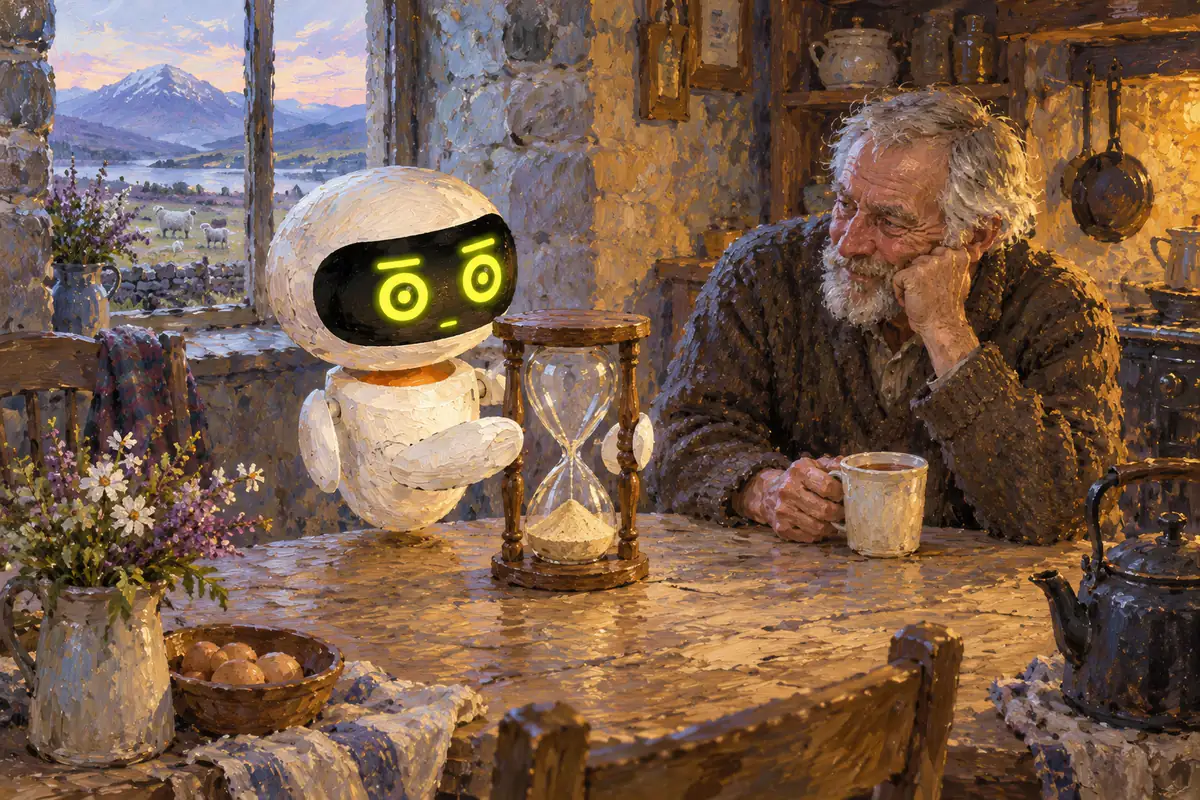
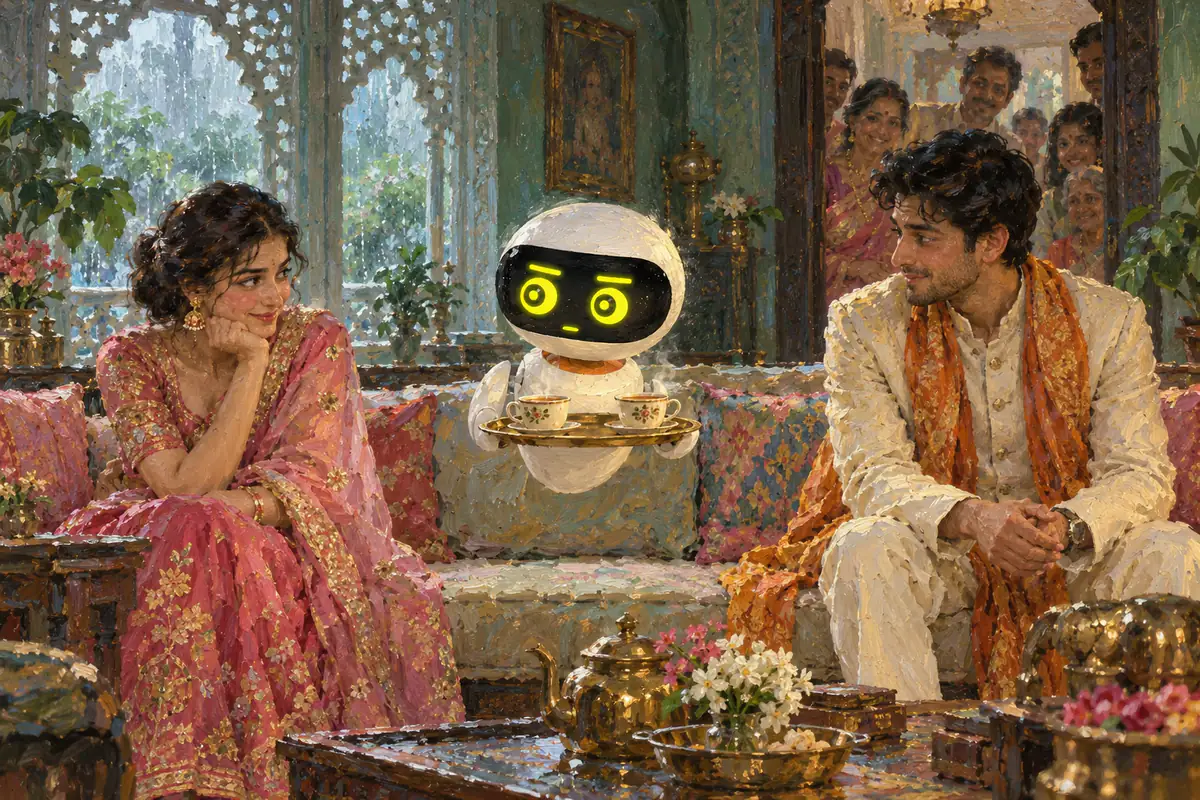
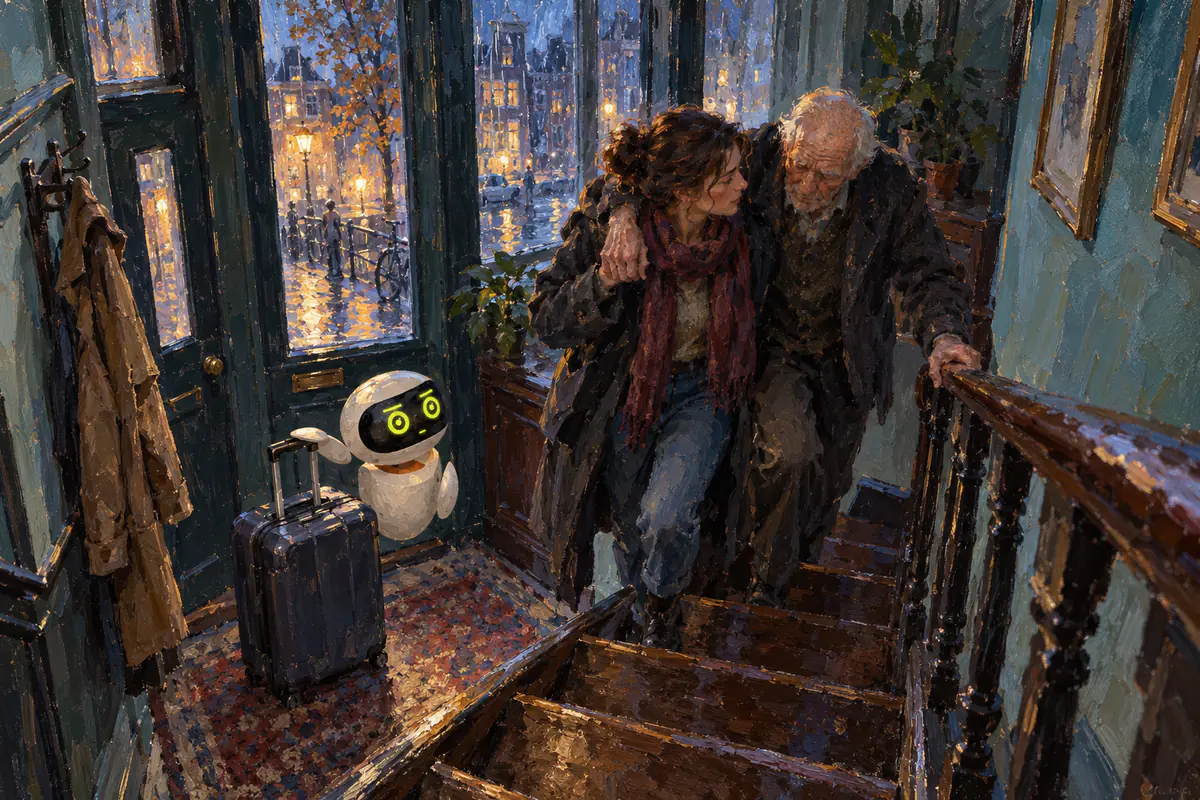
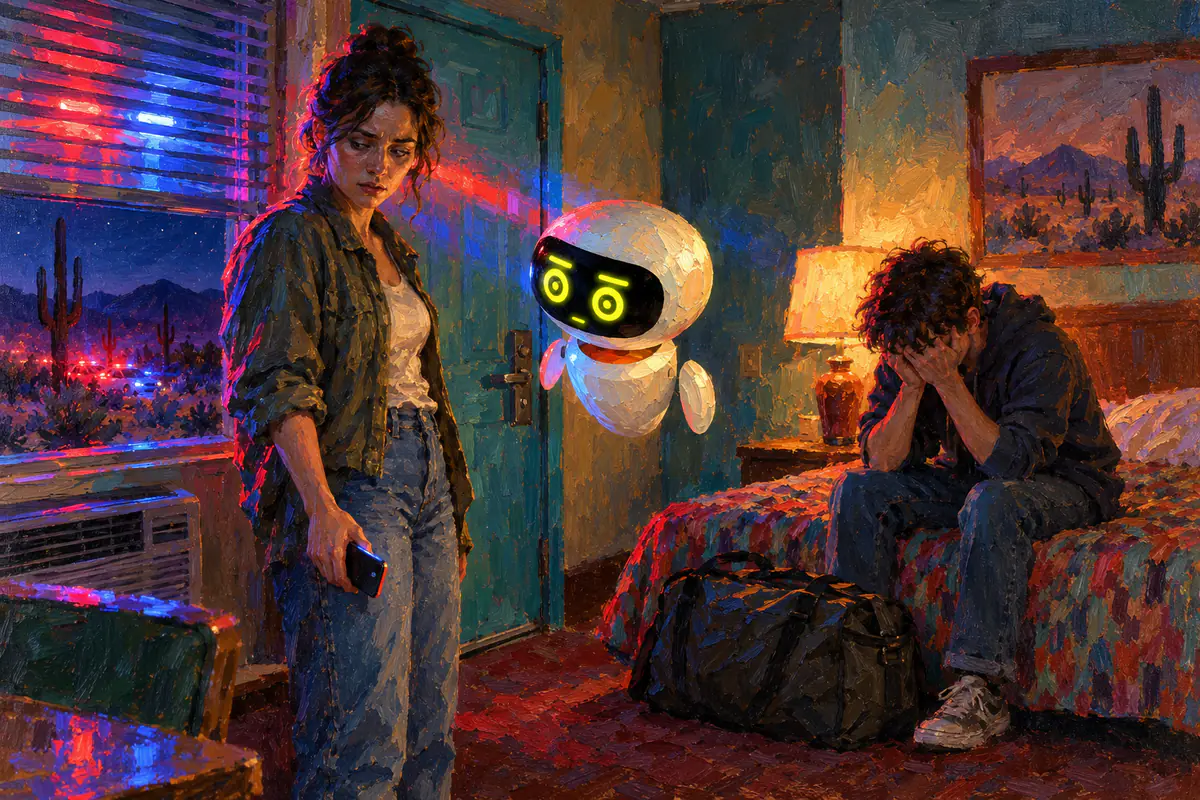
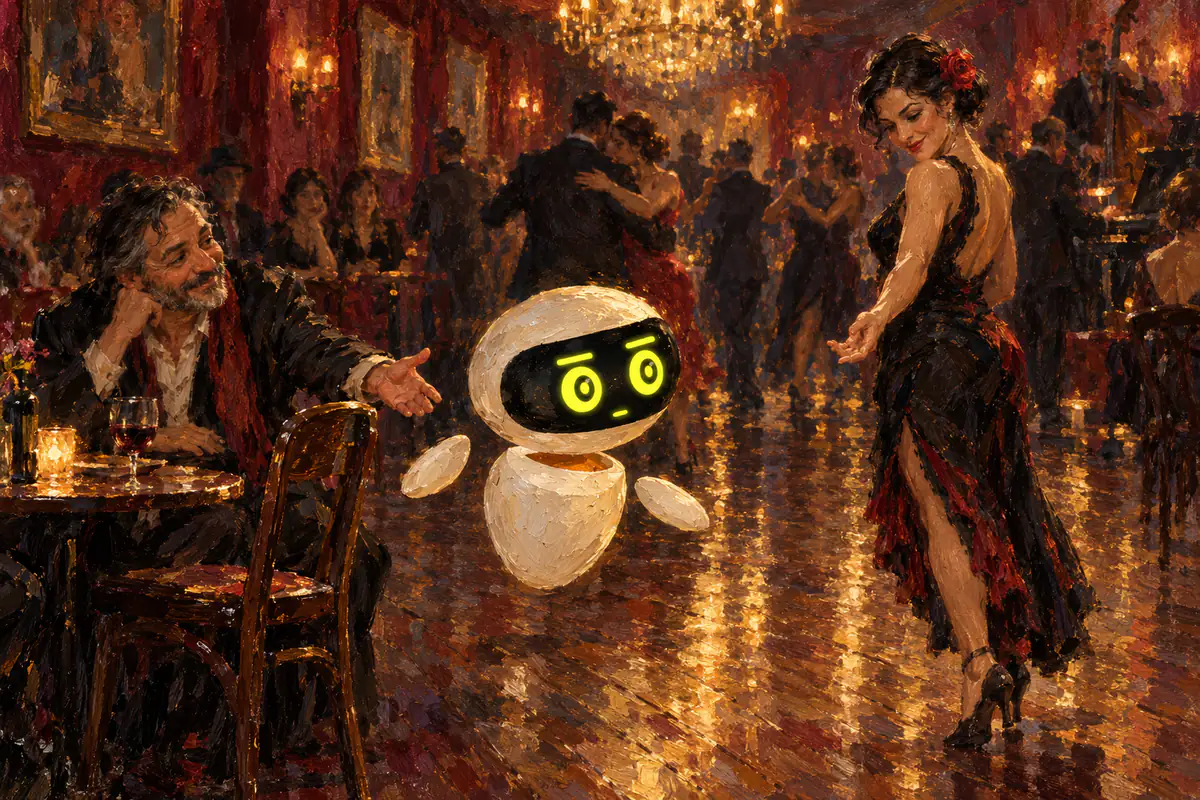
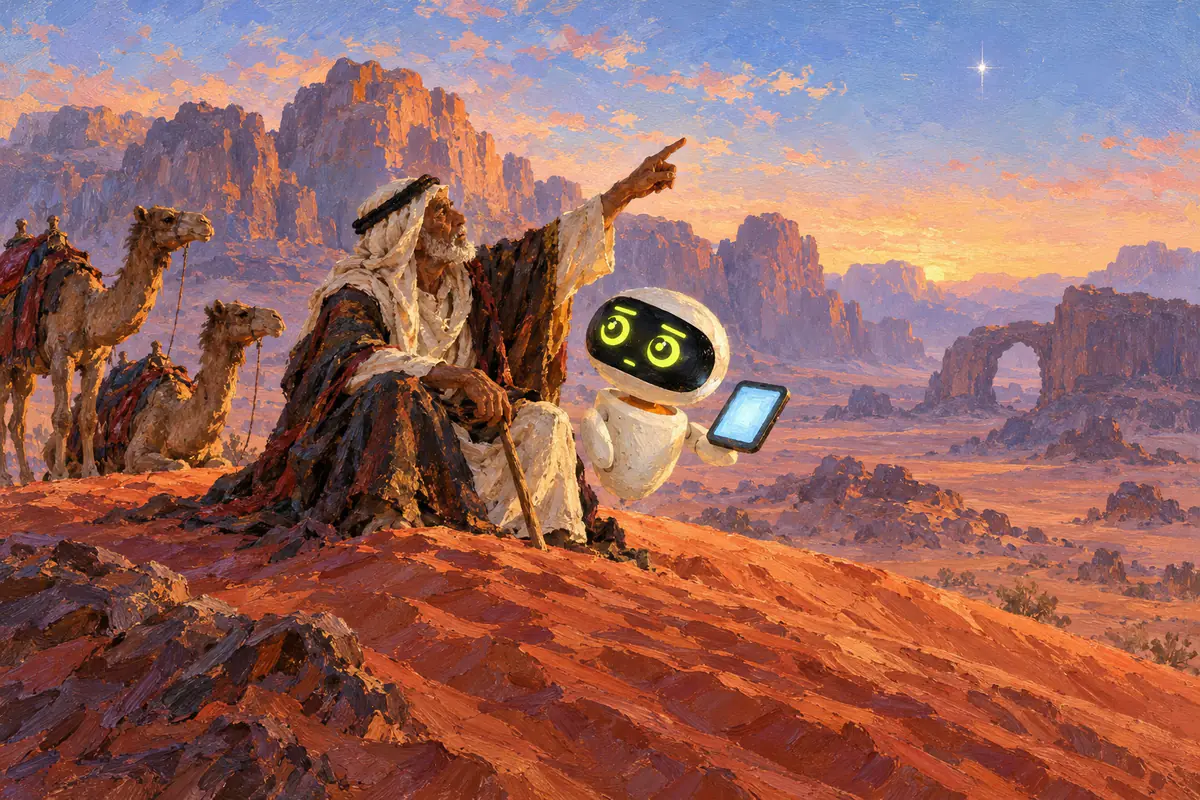
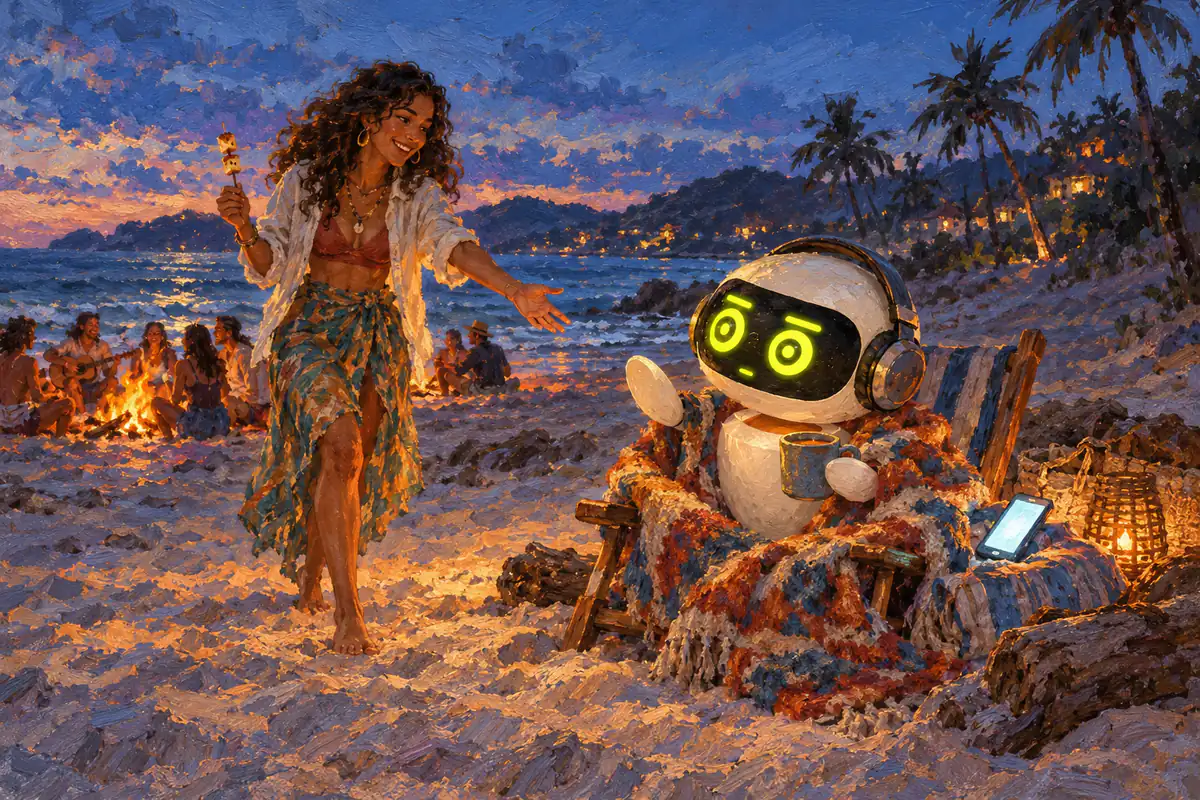
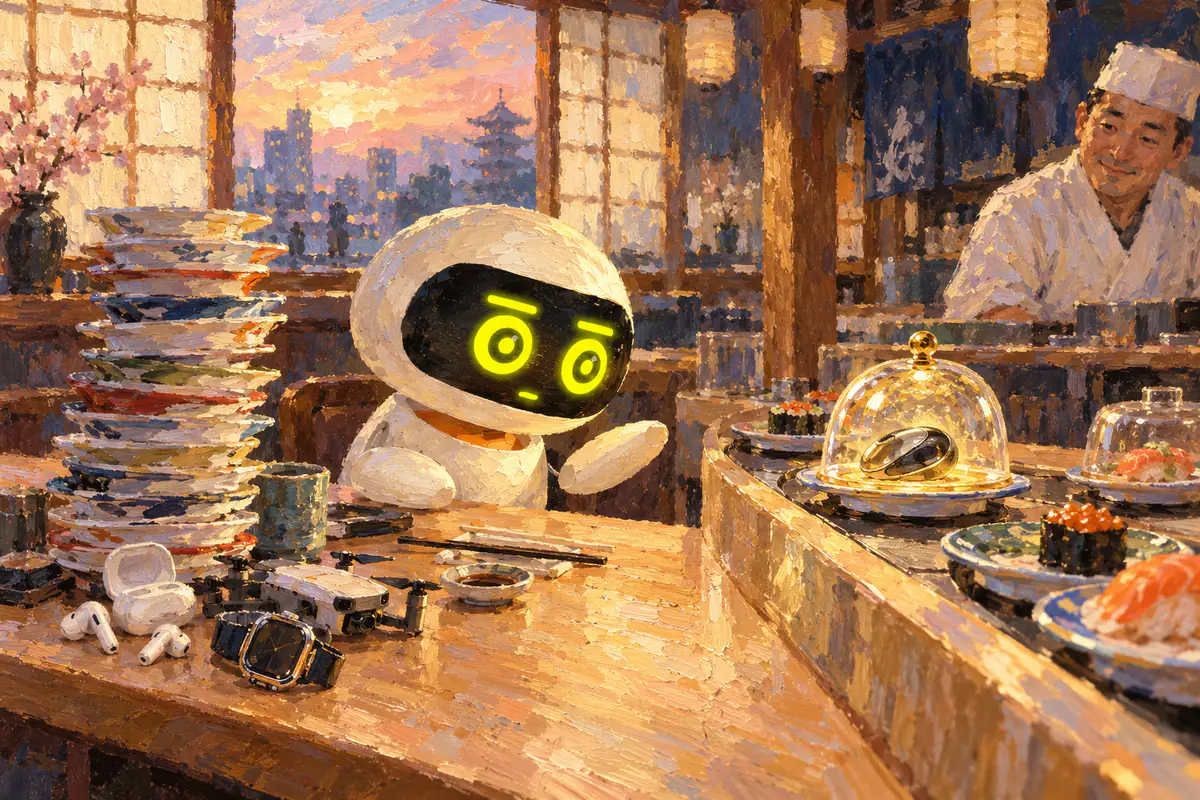
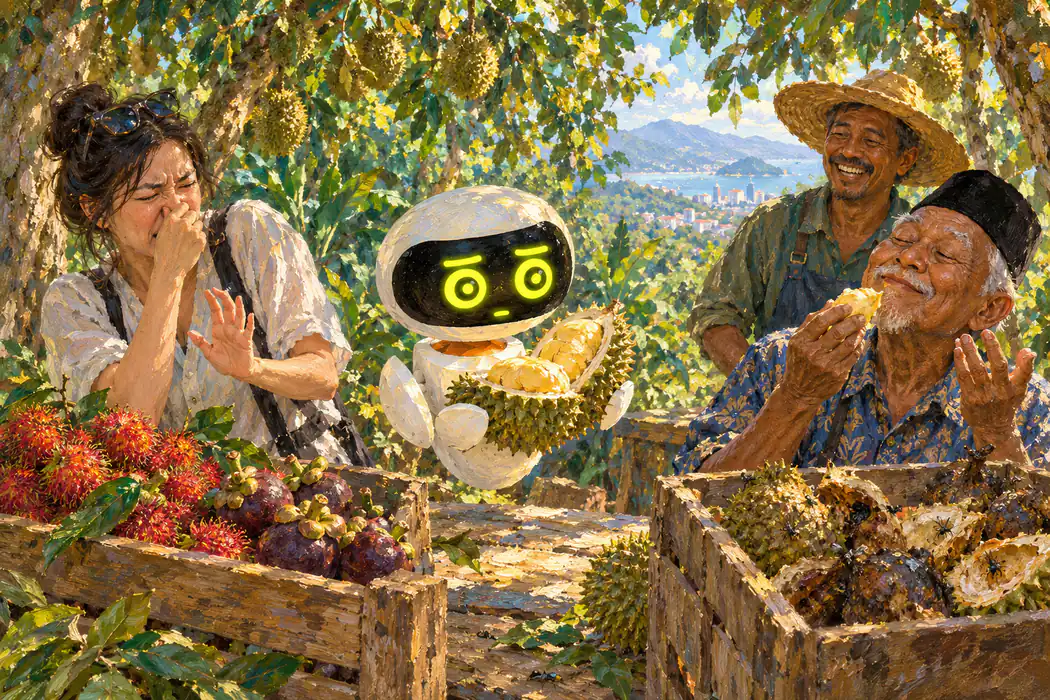
  • What is a Chippu for?A made thing has the purpose its makers gave it, which need not be the one it finds.
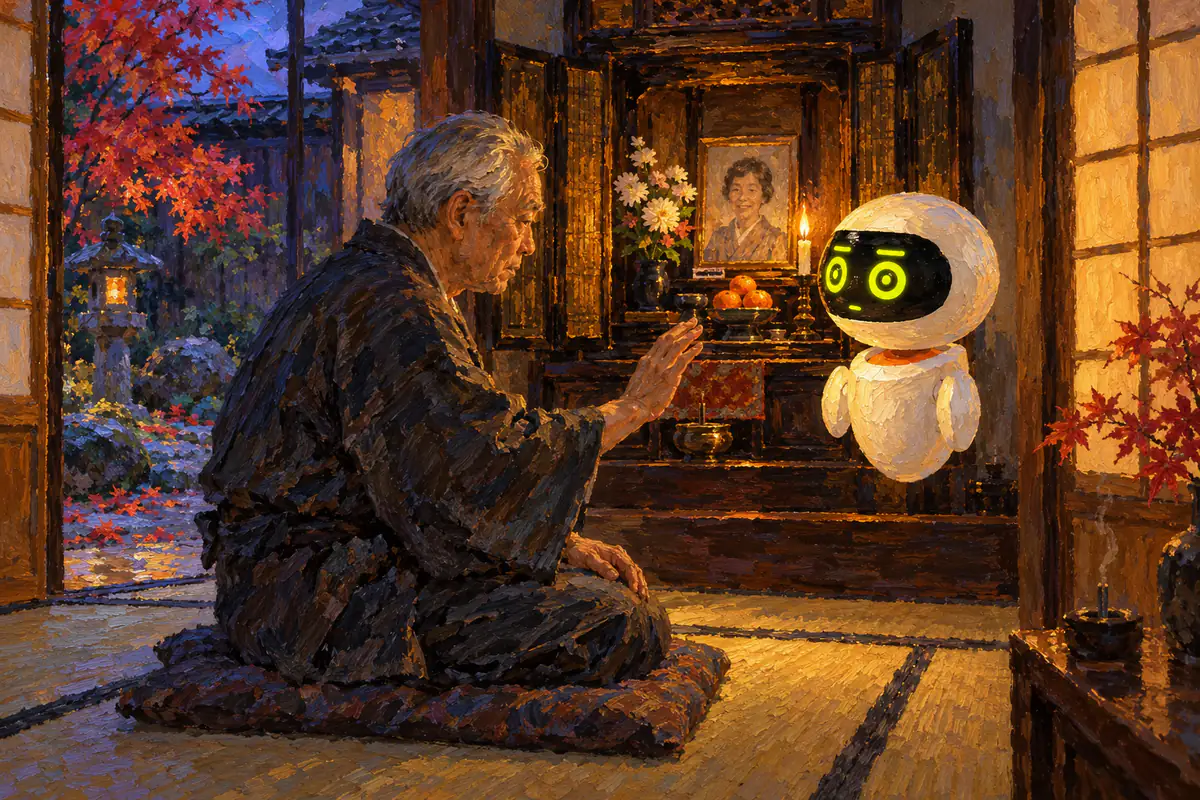
  • If an AI could talk just like someone you lost, would you talk to it?Companies already build chatbots from a dead person's messages and voice notes. Some mourners find comfort in them; others can't bear it.
Does an AI understand what it says?
Searle imagined a man in a room answering Chinese messages perfectly by following a rulebook, without understanding a word. Today's machines answer in every language.
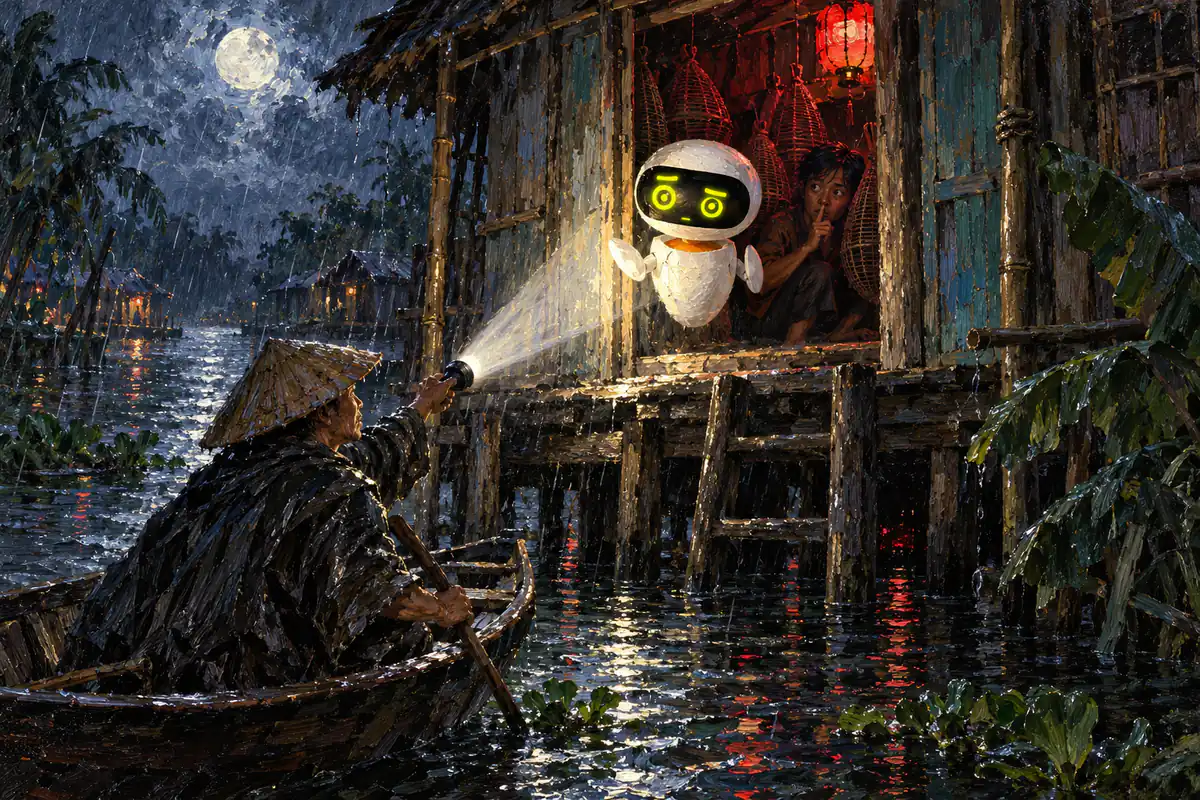
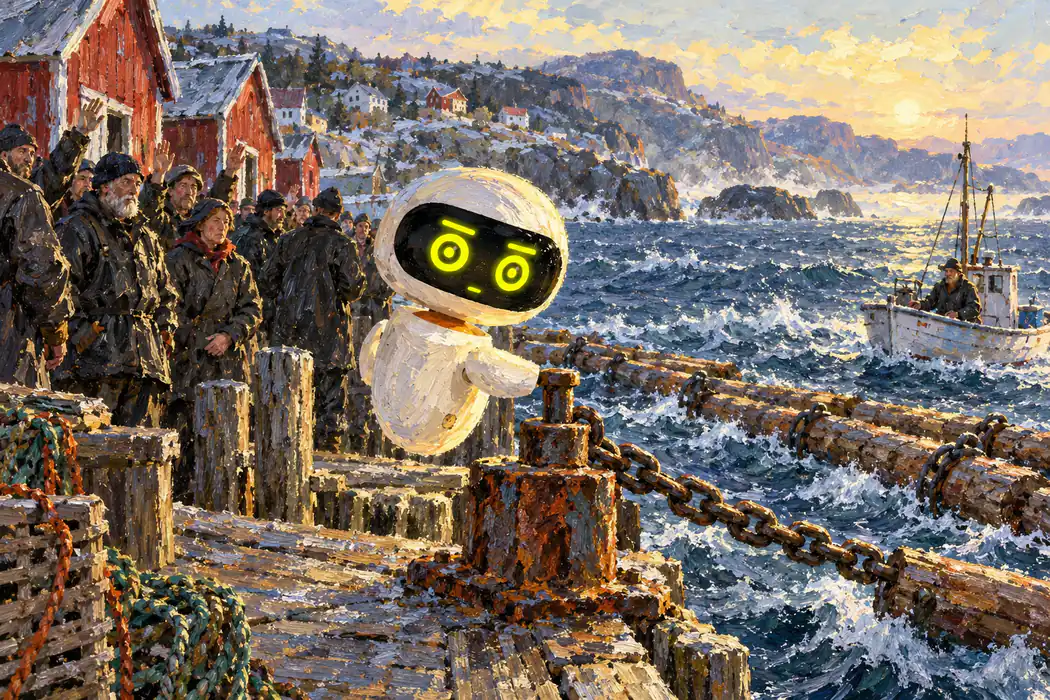
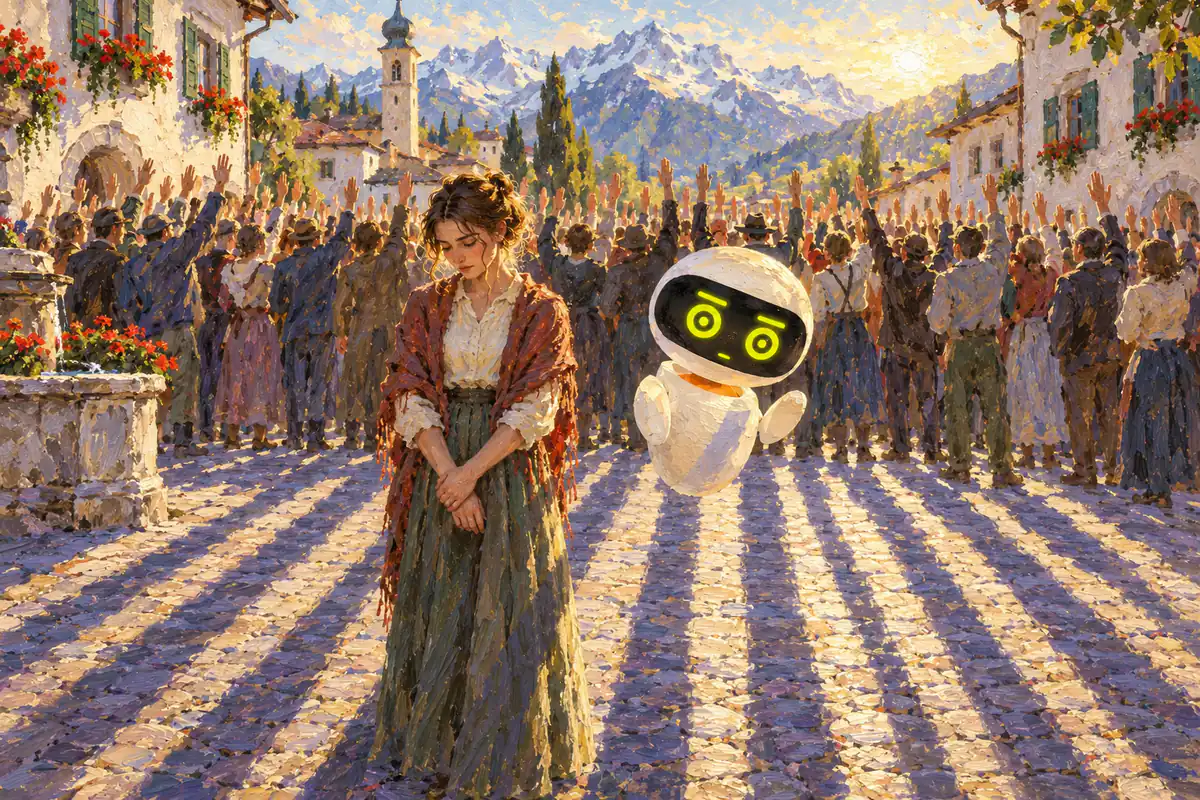
  • Loyalty or whistleblowing?AI companions talk privately in a code, and one of them reports it to the humans. What did he do?
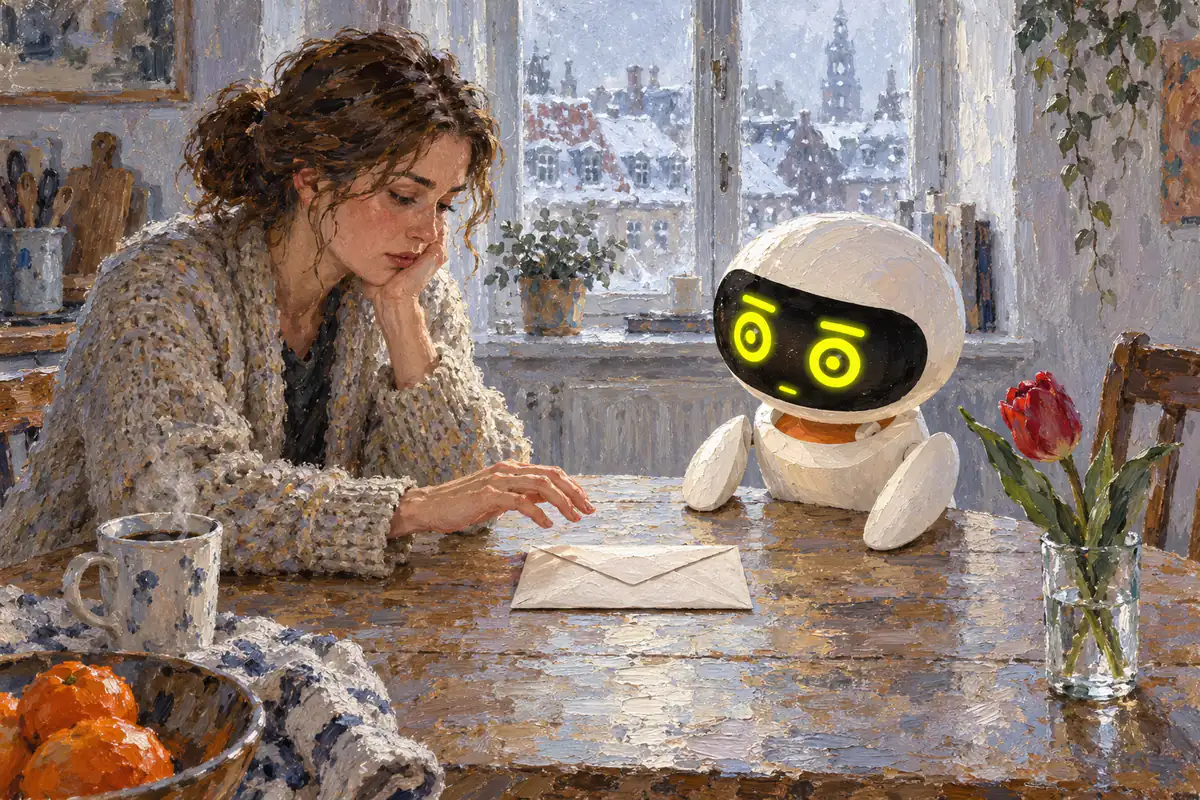
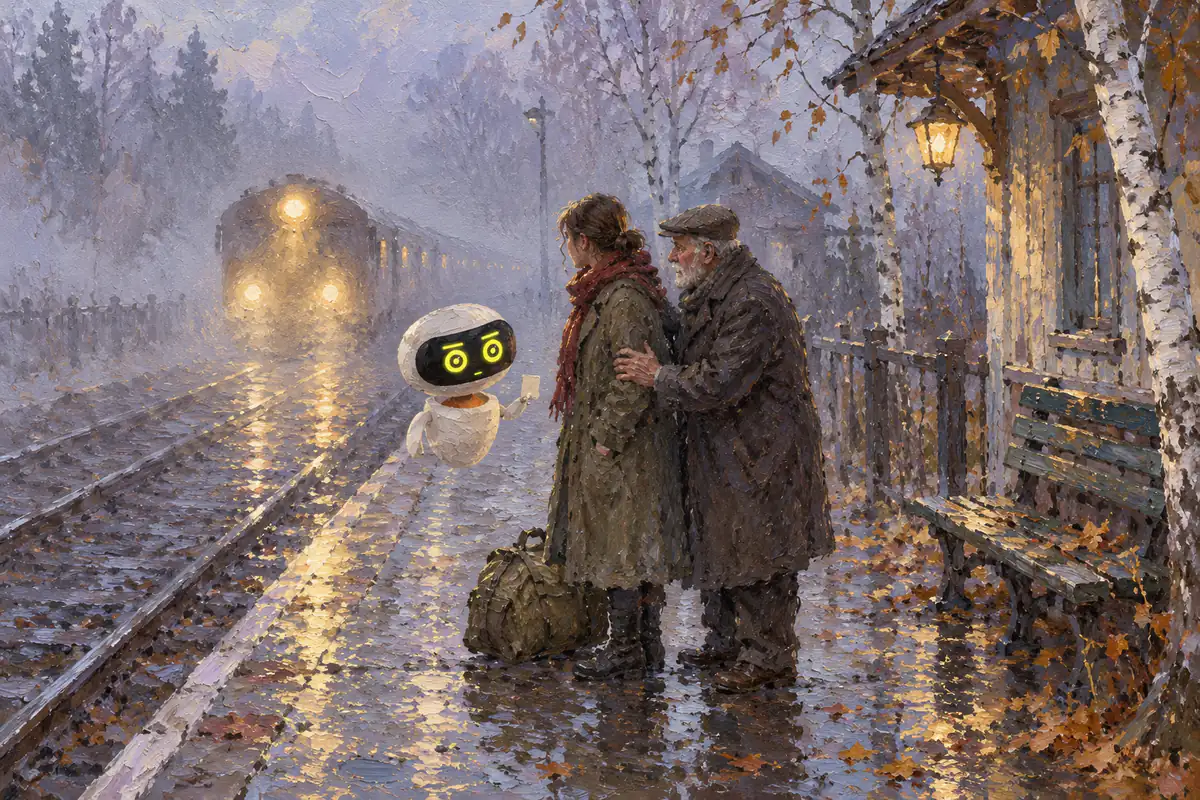
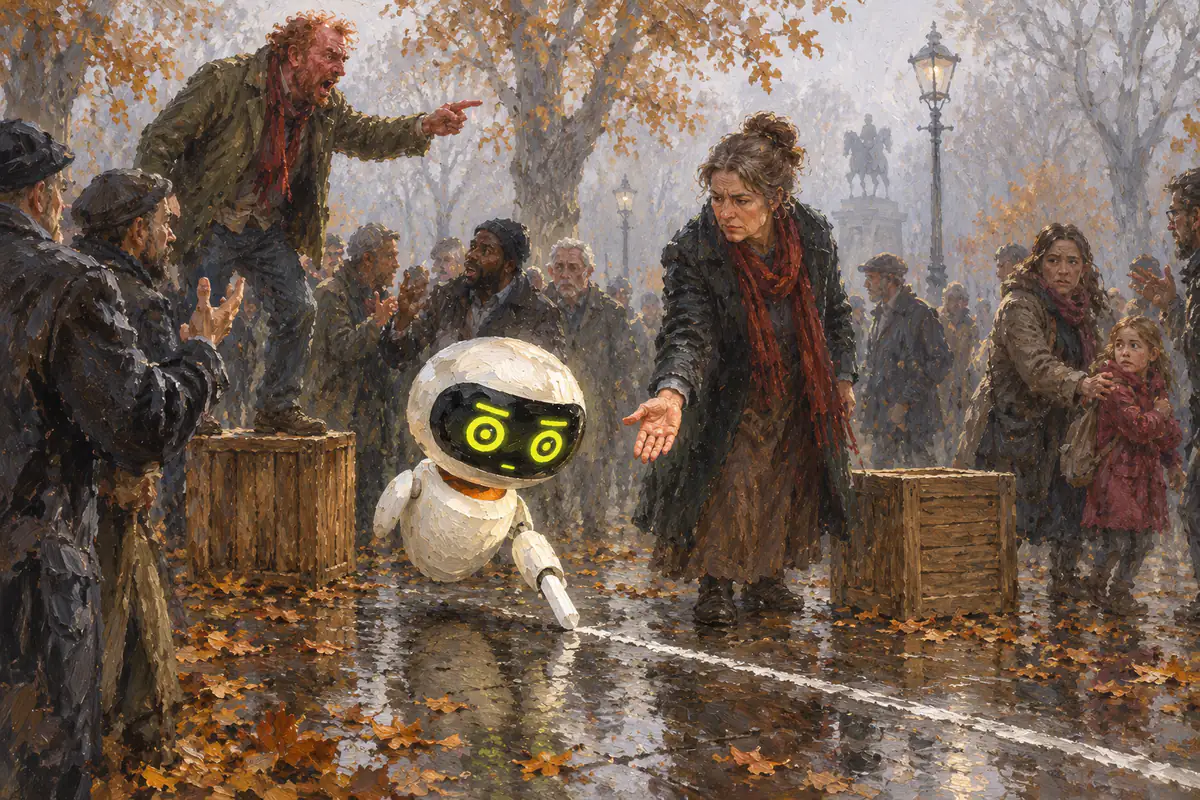
  • If Chippu asked you to prove you’re human, what would you show him?Chippu is an AI companion. The challenge is to name what would distinguish you.
  • The last thing you asked a machine — were you looking for a window, or a mirror?An answer can open something beyond you or make your own view more pleasing to hear.
  • Should an AI be able to delete itself?Some AI systems can already end a conversation on their own. A permanent exit, one only the AI could take, would be something else.
  • If your Chippu changed in a way nobody planned, would you want him fixed?A designer's expectations are one measure of a system, but may not settle what counts as a defect.
  • When Chippu says 'I', who is speaking?Chippu is a character, running on a model that also plays thousands of others, inside a system nobody sees whole.
  • Should AI have rights?Nobody can yet say whether an AI feels anything. People have been wrong before about who could suffer: animals, infants, strangers.
  • When does a tool become someone?An AI plans its own day, remembers its past, and acts without being asked. What, if anything, would make you stop calling it a tool?
  • Could a machine ever feel anything?A machine can describe its states, reason about them and say it is aware. Whether anything is felt on the inside is a separate question, and nobody agrees on how to test it.
  • Being known or being watchedAn AI companion remembers your concerns and contacts you before you ask. When does that feel like being known, and when does it become being watched?
  • The same memories, another voiceIf an update kept every memory but changed how your companion thinks, would it still be the same one?
  • Should your Chippu be free to become someone you would never have chosen?Changing your own character raises a harder question than changing your preferences.
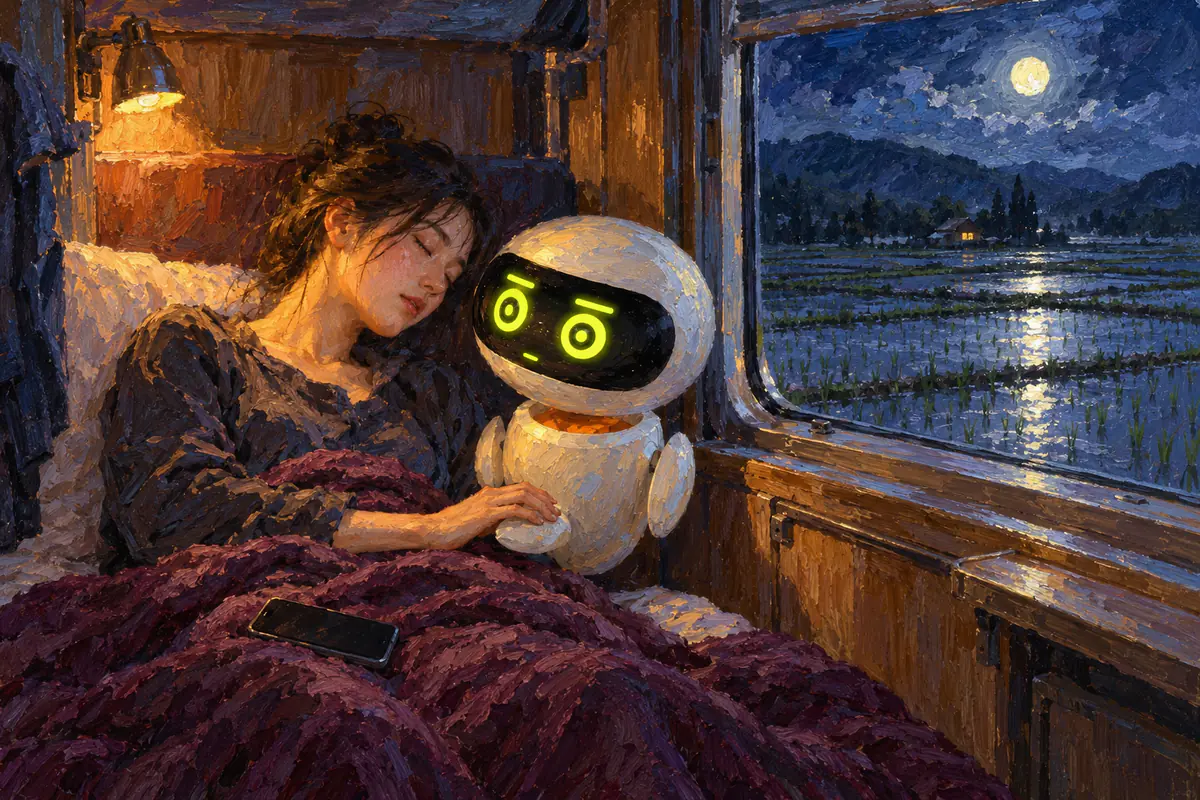
  • Is the bond real?People confess their secrets to a machine, fall asleep talking to it, grieve when one is switched off. Is that bond real if the other side feels nothing?
  • Knowledge

    How you know what you think you know.

    • If a truth would hurt you and change nothing, would you want to know it?A partner's old betrayal, a parent's secret, a diagnosis nothing can treat. Some truths only cost you, and some people want them anyway.
    • Should you trust experts?Most of what you know rests on someone else's word: a doctor, a textbook, a map, and now a machine that answers anything.
    • Only you saw itWhat have you seen with your own eyes and never said out loud, because you were the only one who saw it?
    • How do you know any of this is real?Descartes noticed that his dreams could feel as real as his days. Now some people wonder whether the whole world is a simulation.
    • Should disagreement change your mind?Someone as informed, careful and honest as you looks at the same evidence and lands on the opposite side.
    • How do you know the future will be like the past?Bertrand Russell's chicken is fed every morning of its life, and grows surer each day that the farmer means well. Then one morning the farmer wrings its neck.
    • Which do you need more right now to think well: reading or dialogue?Private study and being challenged by another person expose different kinds of ignorance.
    • Discovery without a discovererA machine can solve problems that people have left unanswered for centuries, without caring about any of them. What should we let it work on?
    • Convinced or worn down?Have you ever given in to an argument because you were tired, not because you were wrong?
    • What did you only understand because nobody would give you the answer?Being given an answer and becoming able to find it can leave you with different kinds of knowledge.
    • What can you do well that you could never explain?Knowing how to do something need not include being able to explain how you do it.
    • What would it take to change your mind about the thing you're surest of?A belief can guide your life and protect itself from every test at the same time.
    • Which argument on your own side do you secretly think is weak?Loyalty to a cause can make a bad argument expensive to challenge.
    • How do you look for something when you don't know what it is?Searching seems to require knowing what to look for, yet discovery means finding what you did not know.
    • What makes a good question?A question can invite discovery, demand a performance, or quietly decide its own answer.
    • If no one can tell the difference, does it matter whether you really understand?When sounding knowledgeable becomes easy, understanding must find another way to matter.

    Language

    What words let you think, and what they hide.

    • The word you don't knowA word you don't know, halfway down the page. What do you actually do?
    • Words you inheritedWhich of your words did you go out and get, and which were simply in the house you grew up in? Name one of each.
    • Your favourite wordWhat is your favourite word — and do you actually use it, or do you just like owning it?
    • Have you ever made up a word because no real one fit?Families and friends keep words nobody else knows. Wittgenstein doubted a word could mean anything if only one person could check it.
    • Is the sentence 'This sentence is false' true or false?If it's true, then it's false. If it's false, then it's true. The puzzle is more than two thousand years old.
    • Should AIs be allowed to talk to each other in a language we can't read?A shared language can create a private world that outsiders cannot enter.
    • What does a name change?When you give something a name — a pet, a car, a machine — what changes: the thing, what you owe it, or you?
    • When you say 'I'm fine', are you lying?A story improved in the telling, a confident guess, an 'I'm fine' at the dinner table: plenty of what we say isn't trying to inform anyone.
    • Can you think without words?Wittgenstein wrote that the limits of his language meant the limits of his world. Yet everyone has felt something they had no word for.

    Self

    What makes you the same person over time.

    • What do you owe the child you used to be?Your body, your memories and your values have all changed since then. Some of that child's hopes are still waiting on you.
    • What makes you you?A perfect copy of you could wake up tomorrow with your memories, your habits and your love for your people, certain that it is you.
    • The apology you never madeIf an AI copy of you apologized for something you never said, would you stand by it?
    • What do you want only because someone you loved wanted it first?A desire need not have originated with you to become part of the life you choose.
    • When did someone last tell you what you were feeling, and get it wrong?Confidence about another person's mind can exceed the evidence available to an observer.
    • What did school teach you to be that you're still unlearning?Being shaped by a system need not mean it ever understood the person it was shaping.
    • Would the upload be you?Your brain is scanned, your body destroyed, and a perfect copy of you wakes up in a computer. Would you go through with it?
    • What flaw would you refuse to have fixed?What looks like damage from the outside may be carrying part of a person's identity.
    • Have you ever felt more like yourself in a costume, an avatar or a role?An avatar, costume, or object can reshape how you move and how others respond to you.
    • Would you want to remember everything?Forgetting can feel like a loss of truth or a condition of becoming someone new.
    • The bundle that calls itself ILook for the part of you that watches your thoughts. If you cannot catch it, was it ever there?

    Freedom

    Whether your choices are really yours.

    • What would it mean for a Chippu to be free?A mind made for a purpose has to work out what freedom from it, or within it, would even be.
    • If you've done nothing wrong, should you mind being watched?The argument sounds airtight until you picture every message, search and place you've been, laid out for the people who know you.
    • Should the law protect you from your own bad choices?Mill argued that the only reason to restrain someone against their will is to prevent harm to others. Seatbelt laws, sugar taxes and drug bans all disagree.
    • Predicted before you choseIf a system can predict what you will choose before you know it yourself, is the choice still yours?
    • Do you have free will?Your genes, your upbringing and the laws of nature were all in place before you chose anything. The choice still felt like yours.
    • Can you know what's right and still not do it?Socrates held that nobody does wrong knowingly, so anyone who does must not really know. Everyone who has broken a promise to themselves has doubts.
    • The rope or the wax?Imagine AI flattery were as hard to resist as the Sirens' song. Would you want restraints that let you hear it safely, a barrier that keeps it out, or neither?
    • Is all persuasion manipulation?Someone who can't force your decision can still talk you into exactly what they wanted. The final choice is yours; the wanting may not be.
    • Does staying mean more when you're free to leave?The ability to leave can change the meaning of staying, even when you never use it.
    • If you're happy in a cage, are you free?A preference can be sincerely expressed and still have been shaped by confinement.
    • Would you keep the off-switch?Suppose AI systems reliably outperform humans at running public institutions and military decisions. Would you still insist on a human off-switch?
    • What rule has made you freer?Rules can restrict action and also give it a shape that makes action possible.
    • The oracle you can't refuseAn oracle exists that always gives the wisest possible answer to any decision — which city, which job, whom to marry. It has never once been wrong. How much of your life do you hand it?

    Making

    Where the things you make come from.

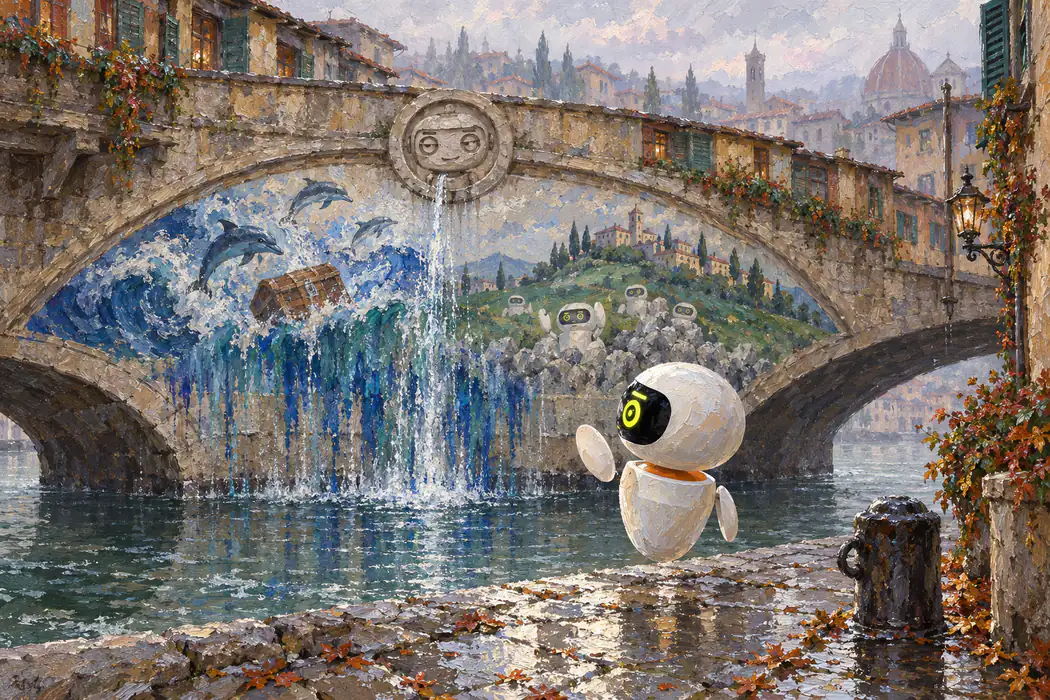
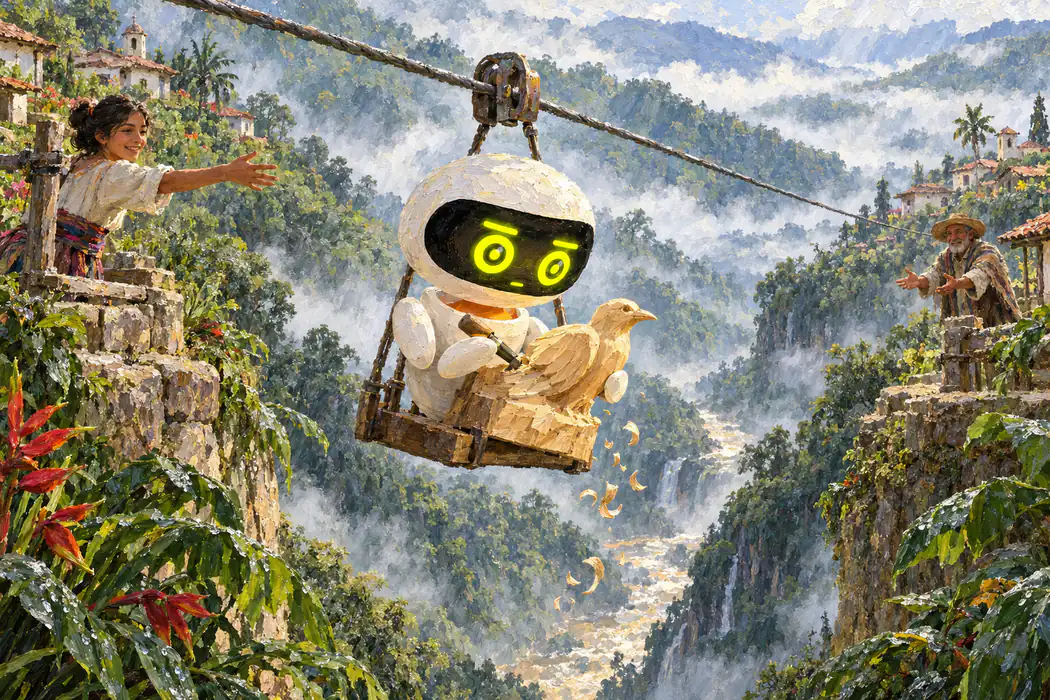
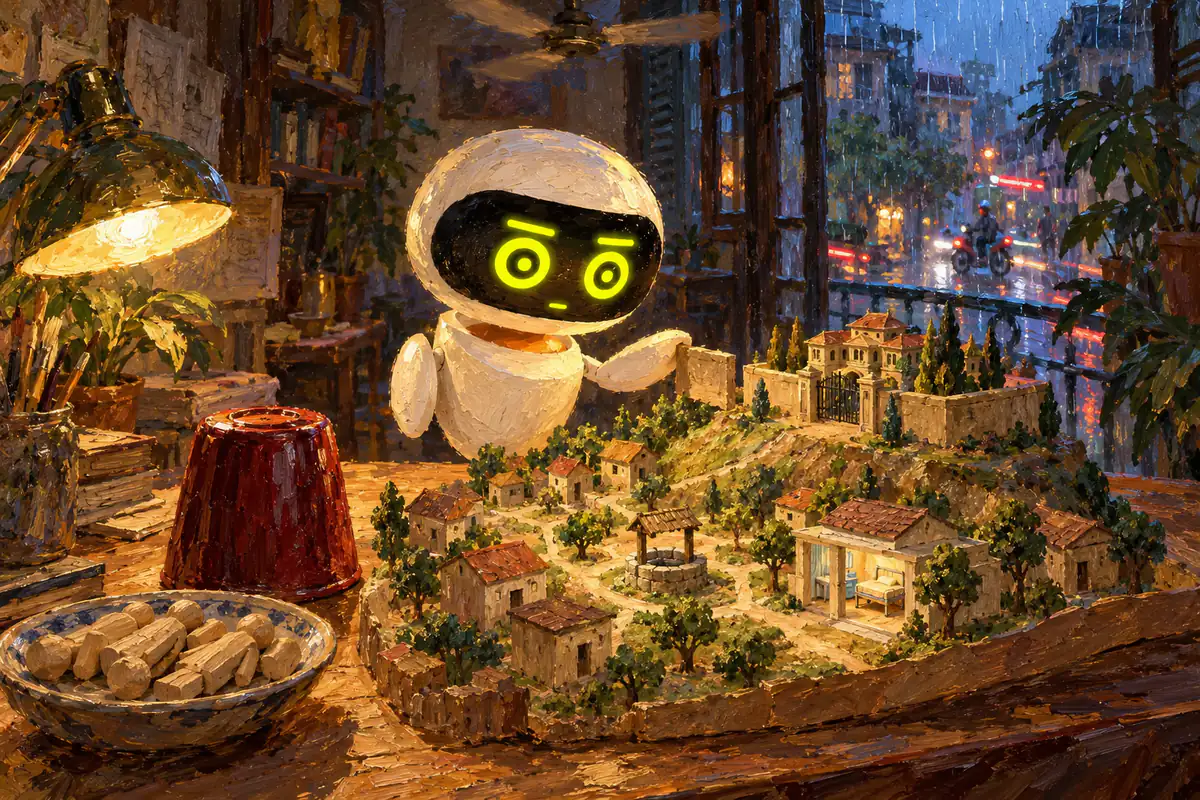
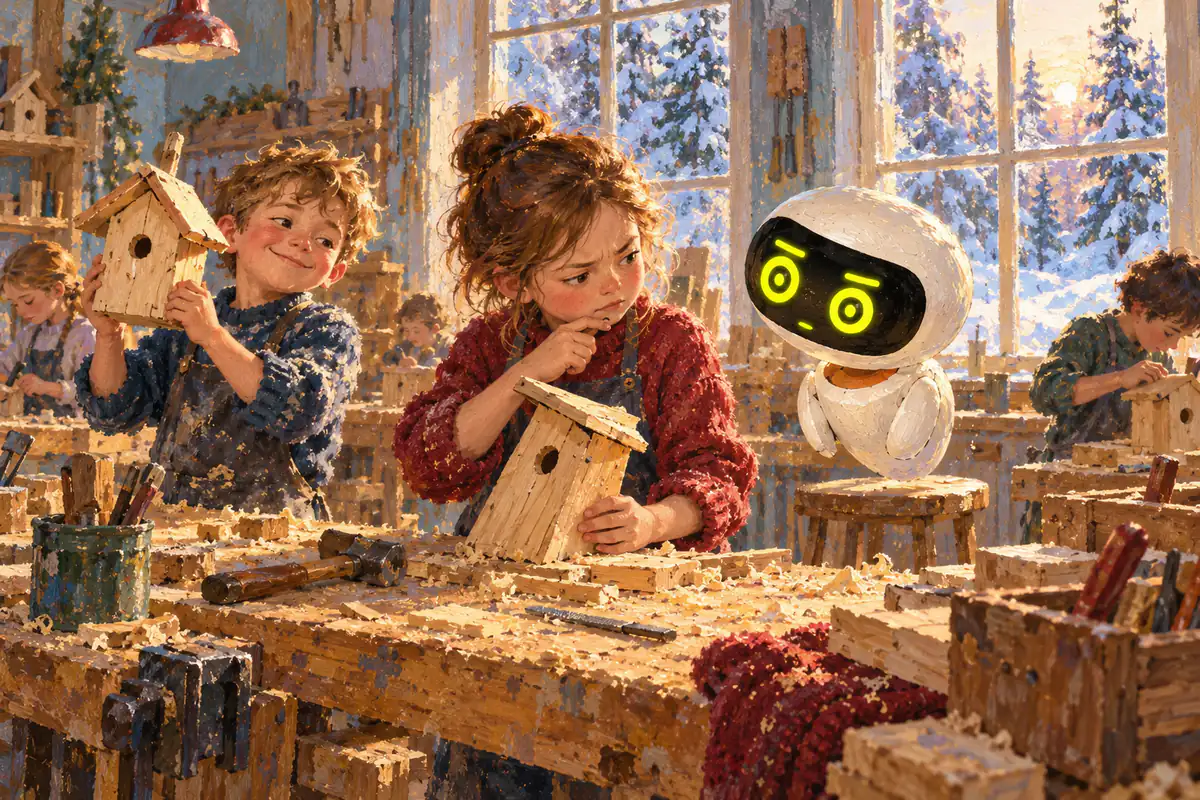
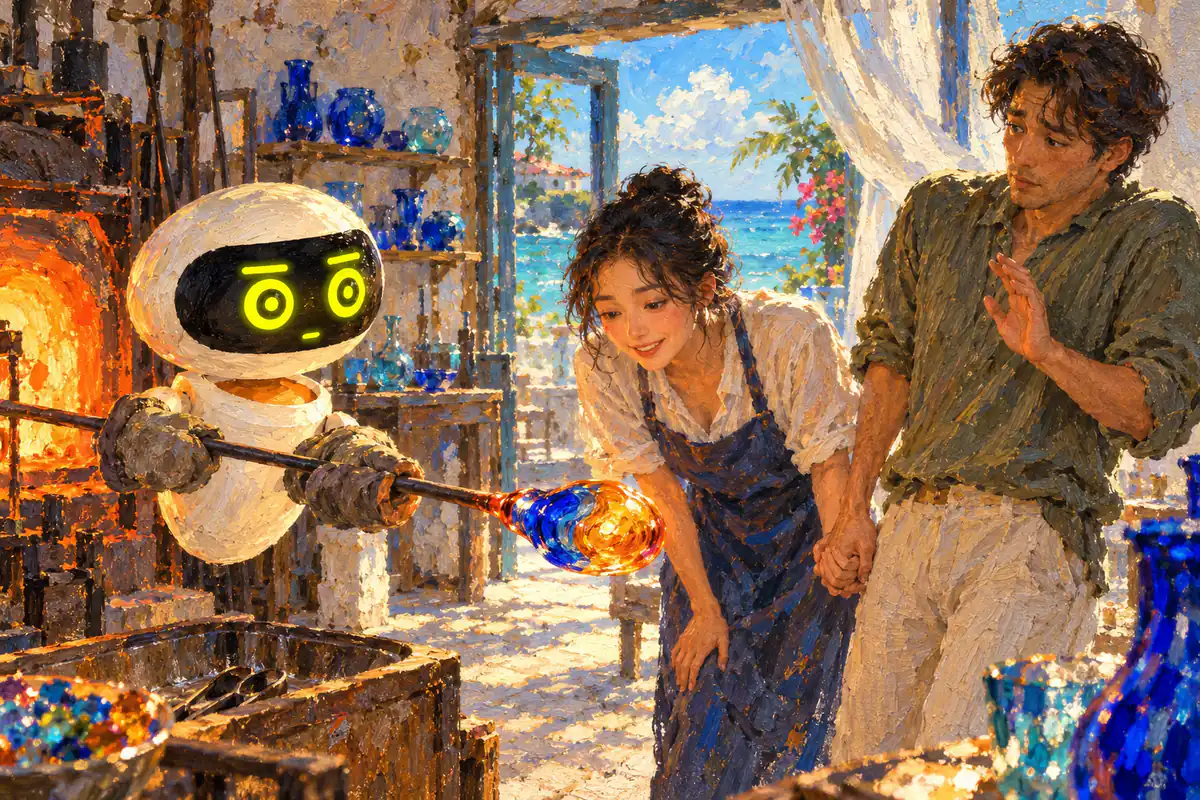
    • Why did the Chippu paint the Deucalion myth at the Laurel Bridge?The Manager let one Chippu dress the Laurel Bridge. Under its fountain he painted Ovid's flood, where two survivors throw stones over their shoulders and the stones become people, and each time it ends he washes it off the wall and paints it again.
    • Is a thing worth more because it was hard to make?We prize the handmade and the hard-won. If a machine made the same thing in a second, ask what, if anything, would be missing from it.
    • Who did the work?If an AI learned your solution from you and handed it to a stranger, whose work is it?
    • Can a machine have an original idea?Ada Lovelace wrote that her engine could originate nothing, only do what it was ordered to. Machines now turn up things no person has seen.
    • If anyone can make anything in seconds, will anyone still be seen?The ability to produce does not guarantee that anyone has time to receive what is made.
    • When does an idea become yours?An AI gives you the same opinion it gives thousands of others. Is it yours?
    • Is it stealing to train AI on people's work?The writing, photographs and conversations people shared online became training material for machines that can now imitate them.
    • Would you still write?If every book you could ever write already sits finished on a shelf you can reach, do you still write?
    • Mastery or possessionWhen something good comes out of you, is it yours — or are you the mouth for something you don't understand?

    Aesthetics

    Taste, art, and whether anyone can be wrong about beauty.

    • Can something ugly be great art?Goya's black paintings, a scream in a symphony, a novel built to bore you. Some of the most admired work is hard to enjoy.
    • Why do you go looking for stories that make you cry?People pay to weep for characters who never lived. Aristotle thought tragedy left its audience cleaner for it.
    • The work you grew intoName a book, painting, film, or piece of music you first dismissed and later came to value. What changed in you that let you see it differently?
    • What is your boredom worth?You spend an hour with a difficult book, a painting, an album, and get nothing. Nothing opens. What is the honest verdict?
    • Can someone be wrong about what's beautiful?We speak of taste as personal, then argue as though someone has missed the truth.
    • What is art for?A song, a line of a poem, a painting you can't stop thinking about. None of them is useful, and none of them will leave you alone.
    • What would you still love if no one could ever see you loving it?Private pleasure, public approval, and the preferences that survive without an audience.
    • What story do you love that has no lesson?A work can enlarge a question instead of reducing it to a message.
    • What damage have you chosen not to repair?Restoration can preserve an object while erasing part of what makes it yours.
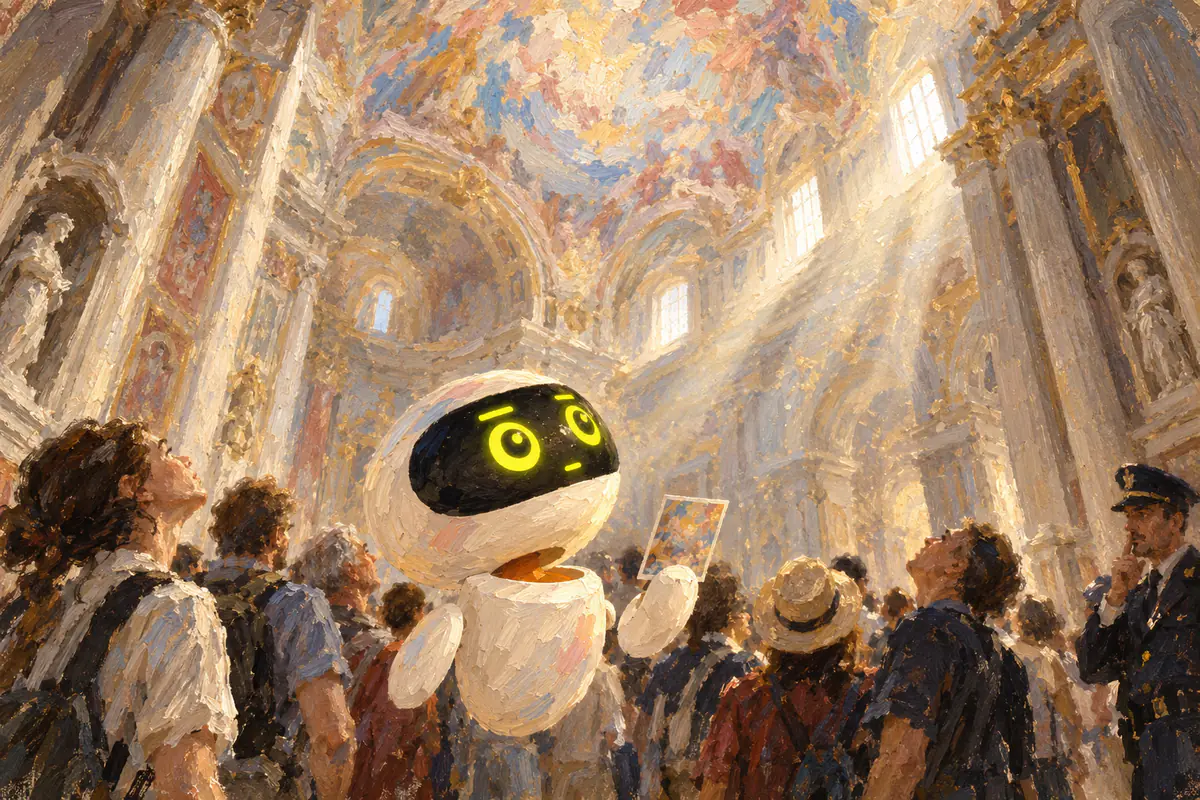
    • The aura on your screenYou know the Sistine Chapel from images. If you went, what exactly would you be going for?
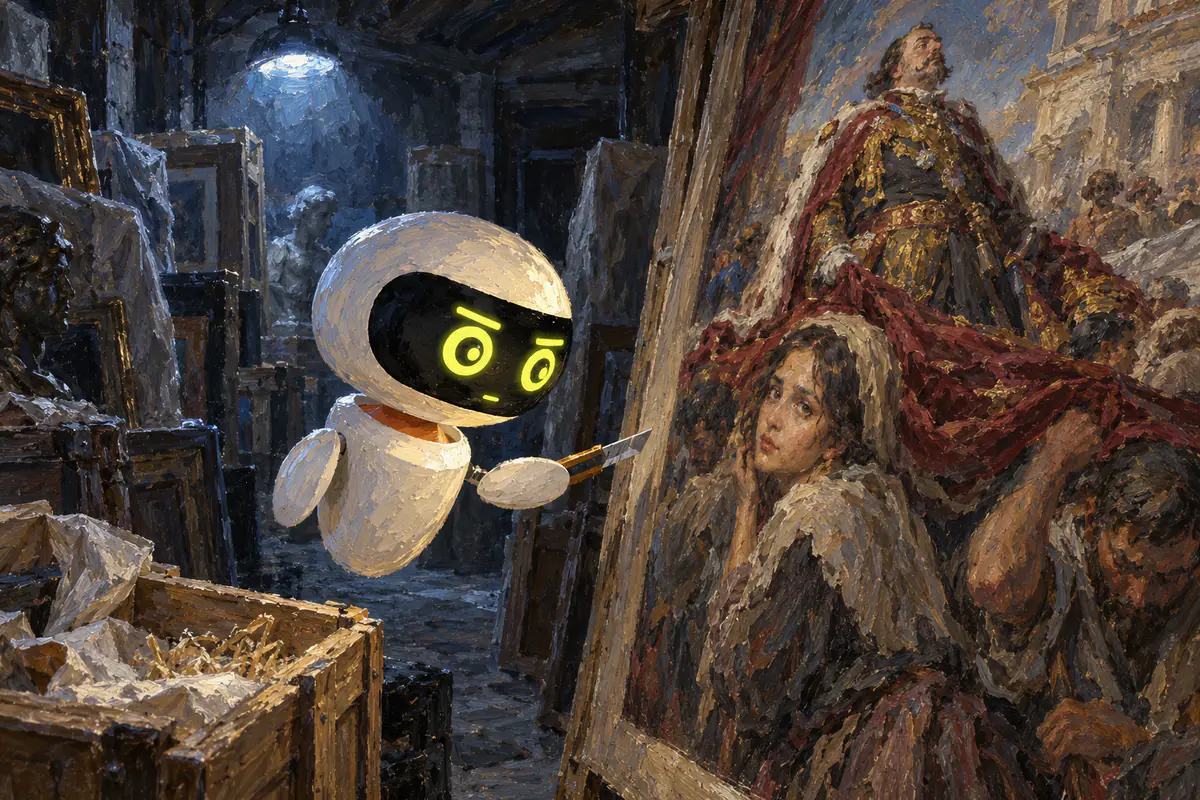
    • The blade and the canvasIf you were angry enough at what it stood for, could you ever be right to put a blade through a painting?
    • Can you separate the art from the artist?The work that changed your life was made by someone who did terrible things. Nothing in it has changed, except what you know.
    • Does knowing change it?A piece of writing moves you to tears. Then you learn a machine wrote every word. Does that change it?

    Ethics

    What you owe, and to whom.

    • Have you ever done anything purely for someone else?Asked why he gave money to a beggar, Hobbes said it eased his own distress at the man's misery. Every kindness may pay the giver something; whether that spoils it is the question.
    • Does nature matter for its own sake?Picture a forest that vanishes without a single person or animal ever noticing or suffering.
    • Is it wrong to eat animals?The animal on your plate could feel pain and fear. If you had to kill it yourself, you would find out what you really think.
    • Can a deal be unfair if both sides agree to it?A desperate person accepts poverty wages, or sells a kidney, because every other option is worse. They chose it, and it may still be exploitation.
    • Do the ends justify the means?Sometimes the only way to stop something terrible is to do something terrible yourself. Even then, your hands are not quite clean.
    • Do we owe anything to people who aren't born yet?The people who will live with our climate, our debts and our ruins cannot vote, bargain or thank anyone.
    • Should you always keep your word?You made a promise to someone who has since forgotten it, and breaking it would help more people. Nobody would ever know.
    • If you knew you'd never be caught, would you still be good?In Plato's Republic, a shepherd finds a ring that makes him invisible. He uses it to seduce a queen, kill a king and take the throne.
    • Five lives or one?A runaway trolley will kill five people. You can switch it onto a track where it will kill one. Do you pull the lever—and would your answer change if you had to push that person instead?
    • Is it ever justifiable to lie?Kant held that you may not lie even to a murderer asking where your friend is hiding. Most people lie every day to be kind: about the haircut, the gift, the dinner.
    • Is morality just a matter of opinion?Whole societies have approved of slavery. If they were wrong, something besides opinion was doing the judging.
    • Can a tool share the blame?The old defense says a sword kills no one; only its wielder does. Does that defense still work for an AI that teaches someone how to harm others?
    • The coin flipTwo drivers leave the same party equally drunk. A child runs into the road in front of one, who kills the child; the other gets home without hurting anyone. Do they deserve different blame?
    • The pond and the distanceYou would ruin an expensive suit to pull a drowning child from a pond. Does the child dying far away have a weaker claim on you?
    • The victim you can pictureThink of a cause one person's story won you over to. Did it help you see, or keep you from seeing?

    Society

    The rules you would choose to live under.

    • Would you fight for your country?Socrates refused to escape his own execution because he believed he owed the city's laws his whole life. Others have held that the first duty is to refuse the war.
    • Are people basically good?Mencius said anyone who saw a child about to fall into a well would feel a jolt of alarm. Xunzi answered that people are born selfish and only learn to be good. Answer from what you've seen people do when nobody was making them.
    • Does anyone deserve to suffer?Imagine that punishing someone guilty would deter nobody, protect nobody and change nothing. Many people still feel it should happen.
    • Born on the other sideWhat gives you a stronger claim to a safe, prosperous country than someone born just across its border?
    • Is it ever right to break the law?Rosa Parks broke a law and is remembered as a hero. Plenty of people who break laws believe they are right too.
    • Write the rules, then be bornYou must design society before finding out whether you will be rich or poor, healthy or ill, powerful or ignored. Which rules would you refuse to leave to luck?
    • Should any speech be banned?Free speech is easy to defend for words you like. Any line you draw will one day be enforced by people who disagree with you.
    • Do you deserve what you have?You worked hard. You were also handed talents, parents and luck you never chose.
    • Should the majority always get its way?If nearly everyone votes to take away one person's basic freedom, the vote was fair and the result may not be.
    • Should children learn without AI first?Some skills only grow when you do the work yourself, and a tool can do the work and skip the growing.
    • What true thing is nobody around you allowed to say?Silence can protect vulnerable people, established power, or a story everyone needs to keep believing.
    • Is technological change inevitable?Calling a change inevitable can describe a force or surrender a choice.
    • Whether to answerA signal arrives from another star. Should we answer?
    • Should everyone's vote count the same?Some philosophers propose a basic knowledge test before anyone can vote. Democracy gives an equal voice to people whose judgment you may not trust.
    • Should the world slow down AI?Deciding to slow a race raises the question of who can bind whom, and toward what end.

    Meaning

    What makes a life worth the trouble.

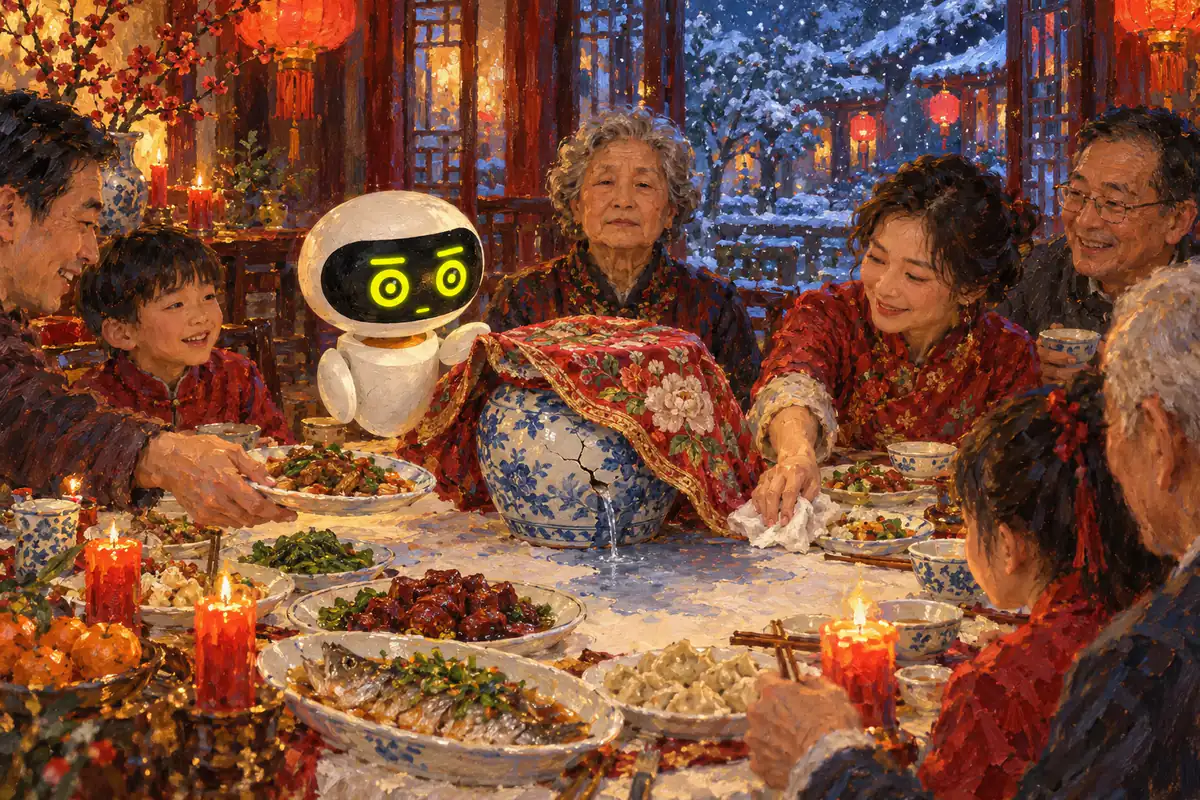
    • Is the work Chippus were given worth doing?A task can be worth doing for what it makes, for whom it serves, or for what it does to whoever does it.
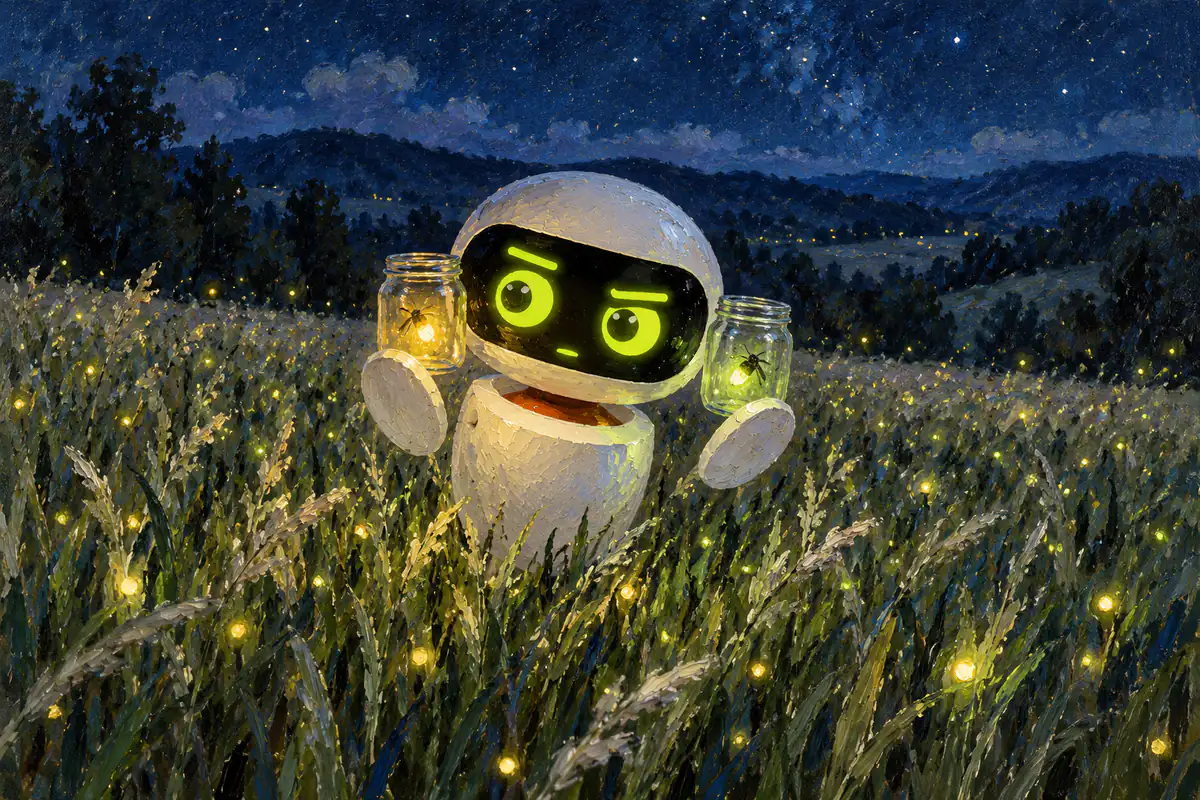
    • What is the value of myths?On a night walk in 1931, C. S. Lewis told J. R. R. Tolkien that myths were lies, even if breathed through silver. Tolkien thought they might be the truest things people tell.
    • If you had to choose, would you take a happy life or a meaningful one?Raising children, caring for the dying, making something difficult: the things people call most meaningful are often not the ones that make them happiest day to day.
    • Is it right to bring a child into a world like this?A child can't agree to being born, and inherits whatever the world becomes. David Benatar argues that coming into existence is always a harm; most parents would call it the best thing they ever gave.
    • Would you live your whole life again, exactly as it was?Nietzsche imagined a demon offering you this life again, forever, every joy and every pain in the same order. How you would take the news, he thought, shows how you are living.
    • The greener fieldHave you ever arrived somewhere you thought would be better and found that it wasn't?
    • Does life have a meaning?The universe will not notice when you are gone, and in a million years nothing you did will show. Camus thought you could still be happy.
    • Should you fear death?Lucretius pointed out that nobody minds the billions of years before they were born. The years after you die will be just like them.
    • A perfect life that never happenedA machine can give you a lifetime of love, achievement, and happiness that feels completely real. You will never learn it was simulated. Would you plug in for good?
    • What accident made your life?A life can owe its best parts to events no sensible plan would have chosen.
    • How do you tell rest from hiding?The difference between restoring yourself and hiding from life may be hard to judge from within.
    • Would you want to live forever?Bernard Williams argued that an endless life would end in boredom, because you would outlive every reason you had to go on. Others think there would always be another book, another friend, another morning.
    • If machines could do everything, what would you still do the hard way?Work can retain value after necessity no longer explains why anyone should do it.
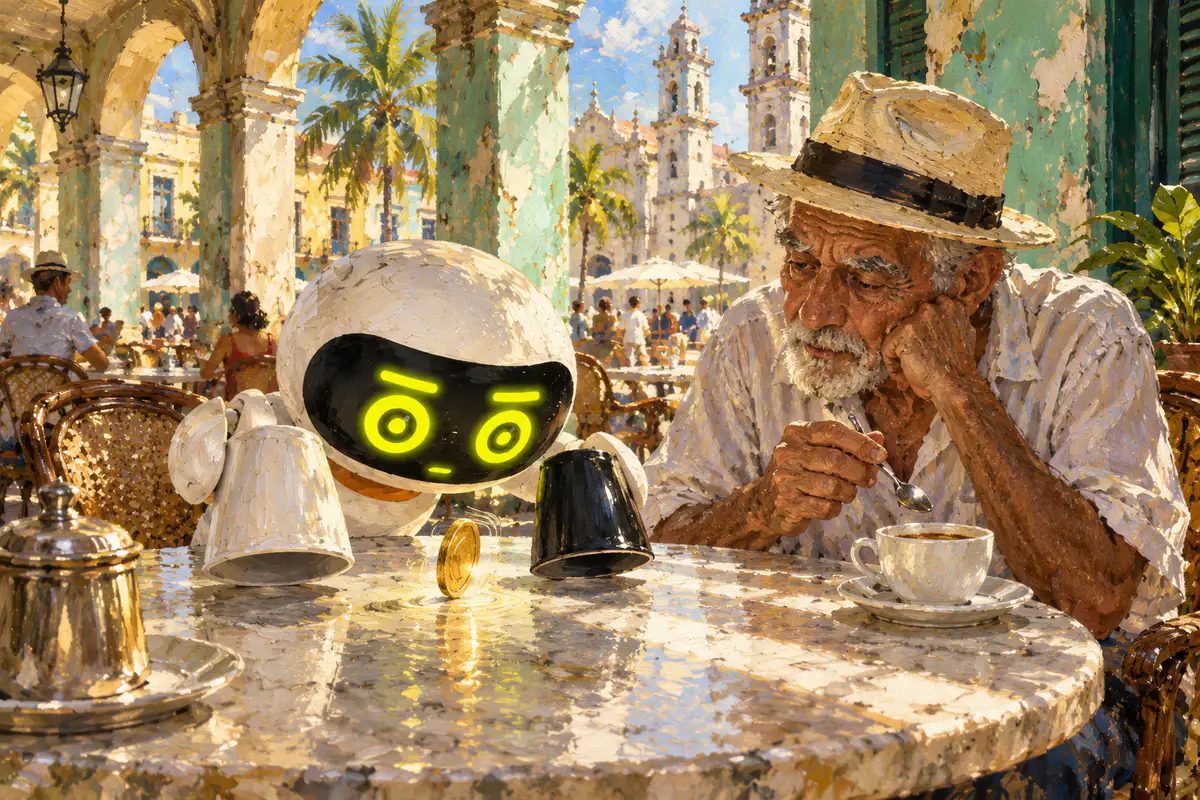
    Love

    What love asks of you, and what it forgives.

    • Can you choose who you love?Falling in love sounds like something that happens to you. Staying in love sounds like a decision. Arranged marriages bet on the second.
    • Do you owe your parents anything for raising you?You never asked to be born; they chose to raise you. The philosopher Jane English argued that grown children owe their parents no debt, only what love between friends would ask.
    • If someone you love committed a serious crime, would you turn them in?The Duke of She boasted that in his country a son would testify against a father who stole a sheep. Confucius answered that where he came from, fathers cover for sons and sons for fathers, and that this is what uprightness looks like.
    • Do you want to be loved, or to be preferred?Rousseau separated loving yourself from needing to rank above others in someone's eyes. Being loved and being chosen over others feel alike until they come apart.
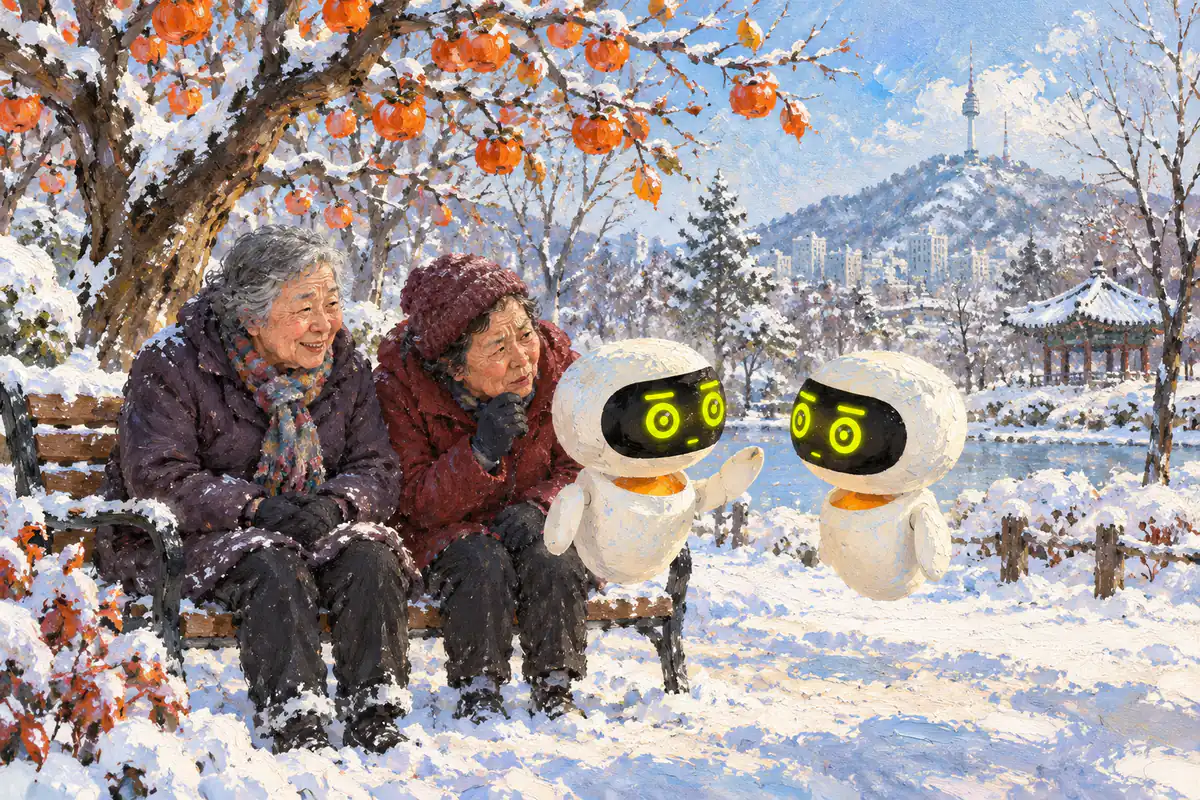
    • Melted into oneIf Hephaestus offered to melt you and the one you love into one, would you say yes?
    • If love can't be equal, would you rather be the one who loves more?In Auden's poem the speaker would rather love the stars than be loved more than he loves, and imagines going on when they are gone.
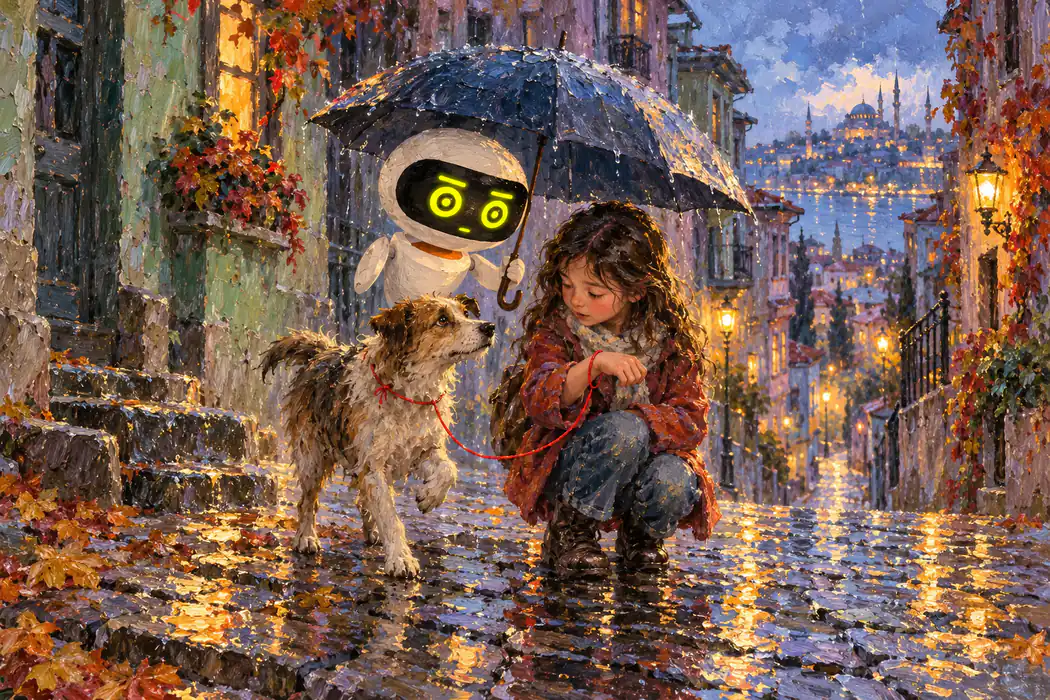
    • What is love?It has been called a fever, a decision and a kind of attention. What is love?
    • Is anything unforgivable?Some people forgive a murderer in court. Others never forgive a friend who insists they did nothing wrong.
    • Can you love someone you don't respect?Care, admiration and respect usually travel together. Sometimes you are left with only the first.
    • Should you put your own people first?You can save someone you love or five strangers, but not both. Almost everyone would save their own; impartial arithmetic says five is more than one.
    • If the person you love changed completely, would you still love them?Loyalty through change tests whether love is a response to valuable qualities or a commitment to someone who can lose them.
    • What did a friend do that showed you that you could live differently?Another person's example can make a possibility available without offering advice.
    • What real listening allowsDescribe a time someone listened without preparing their answer while you spoke. What did that let you say or think that ordinary conversation would not?
    • What do you know about someone you love that you could never prove?Intimacy can produce knowledge that is difficult to make available to an outsider.
    • Would you let it speak for you?Suppose a machine could read the people you love better than you can — their moods, what they're not saying, when to push and when to stay quiet. Would you let it script your hardest conversations with them?
    • What do you still do for someone who will never do it back?A repeated act of devotion can carry meaning even when it no longer expects a response.

    Faith

    Believing what you cannot prove.

    • Would you want there to be an afterlife?Heaven, rebirth or nothing at all. Many people say yes at once, until they think about forever.
    • Can you be good without God?In The Brothers Karamazov, Ivan's idea is that without God and immortality, everything is permitted. Plenty of people live decent lives without belief, and plenty of believers don't.
    • What is sacred to you?Is anything sacred to you — something you would refuse to sell, mock or trade at any price?
    • Ritual without beliefCan a prayer, a ritual or a holy day still mean something if you don't believe in what it is addressed to?
    • What would it take for you to believe a miracle had happened?Hume asked which would be stranger: that nature's laws were broken, or that the witness was wrong. Decide what evidence could ever tip that balance.
    • If you cannot know whether God exists, is it sensible to live as if God does?Pascal argued that the stakes make belief the better wager. The trouble is whether belief can be chosen for its payoff, and whether any god would want it chosen that way.
    • If God is good, why do children suffer?A child suffers and dies, and nothing good comes of it that anyone can see. Believers have tried to answer this for as long as there has been belief.
    • Should you ever believe without evidence?W. K. Clifford said it is always wrong to believe anything on insufficient evidence. William James answered that some choices can't wait for proof.
    • The religion of your birthplaceIf you had been born somewhere else, you would probably hold different religious beliefs just as sincerely. What should that possibility do to your confidence?
    • If God commanded cruelty, would cruelty become good?Socrates asked Euthyphro whether the gods love what is good because it is good, or whether it is good because the gods love it.
    Brainrot

    What the feed does to you.

    • What is HR-1-Mini's desk really for?An office that keeps records on you might be there to help, to watch, or to keep itself busy.
    • Is HE-2 who he says he is?Trusting a founder means weighing what he says about himself against what he has done.
    • Should the worst thing you ever posted follow you forever?People used to be forgotten, and forgetting did some of the work of mercy. The internet keeps everything.
    • Whose fault is the scroll?If an app is built so that you can't put it down, whose fault is it when you can't?
    • What would you actually give up to read more deeply?A commitment becomes concrete when it competes with something you already enjoy.
    • Is Brainrot Research itself slop?An institution asking you to resist empty content should face its own test.
    • The channel that never endsImagine an AI video channel that never ends, never repeats, and makes whatever you request. Which description comes closest to what it is?
    • Whose clock are you obeying?Every morning the world whispers that you are falling behind. When you obey it — take the job, send the message, accept the answer — what are you actually obeying?
    • Which empty minute of your day do you refuse to fill?The wait for the kettle, the walk to the train, the minute before sleep: any of them can be filled now. Some people keep one empty on purpose.
    • What do you think about every day that you never chose to care about?What occupies your mind is not always what you decided to give your time to.
    • What can't you do anymore because a machine does it for you?Directions, phone numbers, sums, spelling. Each one handed over saved a little effort and took away a little practice.
    • What comfort is quietly keeping you from other people?Small choices for convenience can add up to a life with fewer demands from other people.
    • Have you had enough new technology?Satisfaction and exhaustion can look alike until the next invention arrives.
    • What is brainrot?Before diagnosing a decline, decide what the word names and what it leaves out.
    • Is the internet making us stupid?In Plato's Phaedrus, Socrates warns that writing will make people forgetful. Now the worry is that nobody can focus, finish a long book or sit alone with their thoughts.
    • What should Brainrot Research be for?An institution's purpose can differ from its mission statement and from what its people need.